


Madrid, Spain Leads the Way in Global Travel Investment: WTTC Reveals Strategic Roadmap for Tourism Growth in 2026
Madrid, Spain Leads the Way in Global Travel Investment: WTTC Reveals Strategic Roadmap for Tourism Growth in 2026
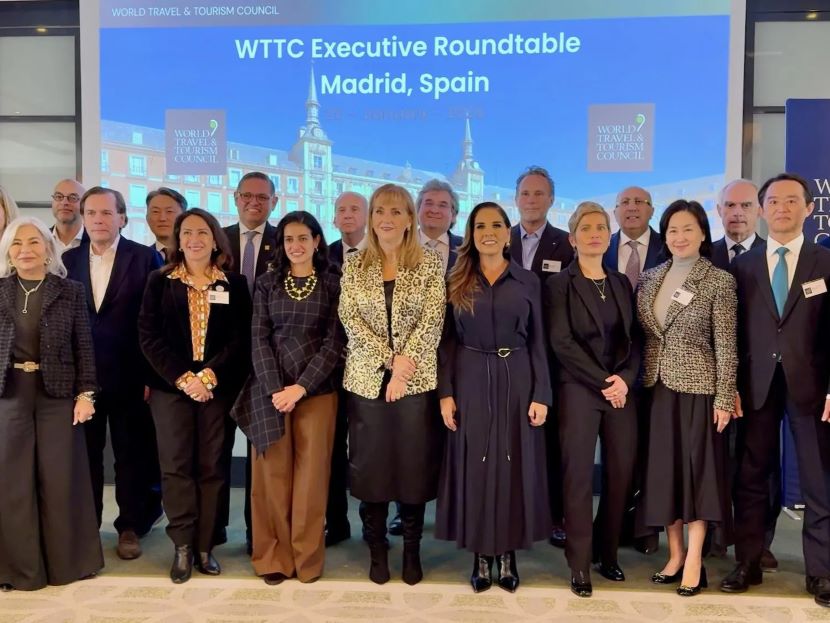
On February 5, 2026, the World Travel & Tourism Council (WTTC) hosted a pivotal high‑level meeting in Madrid, Spain, to discuss the future of global investment in the travel and tourism sector. The event brought together industry leaders, government ministers, and tourism representatives from around the world to address investment challenges and explore new opportunities that could drive the sector’s growth in the coming years. With tourism’s significant contribution to global GDP, the meeting underscored the need for innovative investment frameworks to ensure the industry thrives in the long term.
Unveiling Global Tourism Investment Strategies: The Path Forward
The central focus of the WTTC meeting was on the future of investment in global tourism. Discussions revolved around how investment flows could be increased to meet the growing demand for travel while addressing current barriers such as regulatory hurdles, outdated infrastructure, and inconsistent travel policies. Experts agreed that fostering a more investment-friendly environment through stable, supportive government policies is essential to unlocking the potential of the travel sector, particularly in the wake of the global recovery from the pandemic.
With over 1.5 billion international trips taken in 2025, contributing an estimated USD 11.7 trillion to the global economy — approximately 10.3% of global GDP — tourism remains a vital economic driver. This highlights the immense potential for future growth if the right investment strategies are put in place. However, it was clear that overcoming the current investment barriers would be key to securing long‑term industry prosperity.
Public-Private Partnerships: The Key to Unlocking Investment Potential
One of the most important outcomes of the Madrid meeting was the emphasis on public-private partnerships (PPPs). Governments and private sector companies must work closely together to tackle investment challenges, as these collaborations can help bring the expertise, efficiency, and resources necessary to improve tourism infrastructure and services. By aligning government policies with private investment, destinations can secure the capital needed for large‑scale projects that will benefit the tourism industry for years to come.
The WTTC also highlighted the need for regional collaboration to create tailored solutions for different markets. Local governments, private companies, and international organisations must coordinate their efforts to ensure that investments align with the unique needs of each region, whether that means improving airport infrastructure, expanding digital connectivity, or supporting sustainable practices in popular tourist areas.
Sustainability and Innovation: Shaping the Future of Tourism
Sustainability was a major theme at the WTTC meeting, with delegates agreeing that tourism investments must focus on long‑term environmental and social responsibility. As more travellers seek eco‑friendly destinations and experiences, investing in green infrastructure and sustainable practices will be crucial to staying competitive in a rapidly evolving market. The travel industry must prioritize eco‑conscious initiatives, such as reducing carbon emissions, protecting natural resources, and ensuring that local communities benefit from the economic opportunities generated by tourism.
The importance of digital innovation also featured prominently in the discussions. Technological investments are essential for improving the overall traveller experience and enabling more efficient management of tourism destinations. From artificial intelligence (AI) solutions to smart tourism apps, these innovations can help streamline processes such as ticketing, check‑in, and border controls, while also providing tourists with enhanced, personalised services during their trips.
Breaking Down Barriers: The Need for Harmonised Travel Policies
Another critical topic addressed during the meeting was the need to remove barriers to global travel. Inconsistent visa requirements, slow border processing, and outdated regulatory frameworks can significantly hinder the growth of international tourism. The WTTC called for greater policy harmonisation between countries to make travel easier and more accessible, particularly as global mobility resumes after the pandemic. Governments were urged to collaborate on initiatives that can simplify visa procedures, reduce wait times at borders, and facilitate seamless travel for visitors from all regions.
Empowering the Future: Tourism’s Economic Impact
During the meeting, it was also acknowledged that tourism is an essential pillar of global economic recovery. As countries continue to rebuild after the disruptions of the past few years, the travel sector can play a leading role in driving employment, creating new businesses, and revitalising local economies. With tourism contributing to the livelihoods of millions worldwide, it was emphasised that investment in tourism infrastructure must be prioritised in national recovery plans.
Moreover, tourism investments help diversify local economies, making them less reliant on a single industry and more resilient to economic shocks. By investing in tourism, governments can unlock the potential for long‑term prosperity, creating a more sustainable, diversified, and inclusive global economy.
Madrid’s Roadmap: The Future of Global Travel and Tourism Investment
As the meeting concluded, the WTTC announced that it would be launching a series of regional investment forums throughout 2026 to continue the dialogue on tourism investment and growth. These forums will focus on addressing specific challenges faced by different regions, from infrastructure development to workforce training and sustainable practices. By engaging stakeholders from all sectors, the WTTC aims to create a global network of investment opportunities that will support the long‑term growth and resilience of the tourism industry.
The meeting in Madrid set the stage for an exciting and transformative year ahead in global tourism. By focusing on innovative investments, sustainability, and collaboration, the sector can move towards a future where it continues to thrive and contribute to the economic well‑being of countries around the world.
Image: WTTC
The post Madrid, Spain Leads the Way in Global Travel Investment: WTTC Reveals Strategic Roadmap for Tourism Growth in 2026 appeared first on Travel And Tour World.
Source: travelandtourworld.com



Sorry, the comment form is closed at this time.