


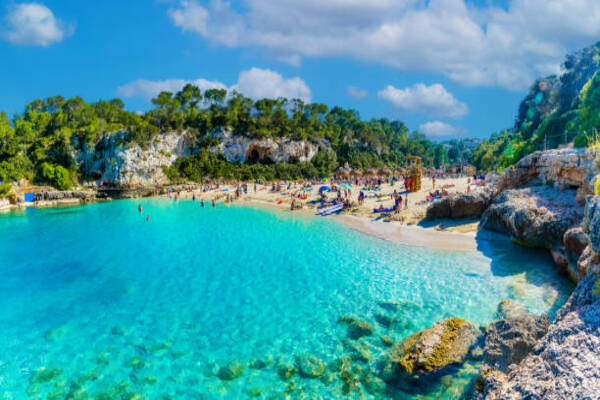
Majorca Implements Revolutionary Measures to Slash Cruise Ship Passengers in Palma, Fighting Overtourism and Ensuring Spain’s Iconic Destination Remains Unspoiled for Years to Come
Majorca Implements Revolutionary Measures to Slash Cruise Ship Passengers in Palma, Fighting Overtourism and Ensuring Spain’s Iconic Destination Remains Unspoiled for Years to Come
In a decisive move to combat the growing issue of overcrowding, Majorca is implementing strict restrictions on the number of cruise ship passengers allowed in Palma. Starting in 2027, the island will limit the daily cruise passenger capacity during the busy summer months to protect its historic centre and ensure a more sustainable tourism model. The decision comes in response to increasing concerns about overtourism, with the goal of preserving Palma’s cultural and environmental heritage while maintaining the city’s appeal as a top tourist destination. This move reflects a broader commitment to balancing tourism growth with the well-being of the local community and the island’s unique charm.
Majorca, a popular Spanish destination for British holidaymakers, is taking action to limit the number of visitors in an effort to preserve its city, particularly during the busy summer months. Starting in 2027, Palma, the island’s capital, will implement a cap on the number of cruise passengers, reducing the daily cruise ship capacity from 8,500 to 7,500 between June and September. The plan is part of a broader initiative aimed at regulating the influx of tourists, specifically targeting cruise arrivals.
The decision to implement this change comes as part of a strategic effort to protect the historical heart of Palma, ensuring that tourism does not overwhelm the local community and environment. The reduction will primarily affect cruise passengers, as the city’s cruise berths will still accommodate 8,500 passengers outside the summer season. However, the 1,000-passenger reduction during the peak summer months is seen as a necessary step to alleviate the pressure on Palma’s already stretched infrastructure.
Tourism to the Balearic Islands, including Majorca, has been on the rise for several years. In 2024, nearly 19 million people visited Spain from the UK alone, with Majorca attracting over 2 million British visitors. The new regulations are expected to continue through to 2029, with a collaboration between the Balearic Government, Palma City Council, and 20 cruise lines set to extend until 2031. This cooperation is focused on finding a sustainable balance between tourism and local life.
Under the new system, only three cruise ships will be allowed to dock at Palma’s Port each day, and only one vessel will be permitted to carry over 5,000 passengers. This cap has been introduced to address concerns over overtourism, which has caused frustration among locals. Over the years, residents have voiced their displeasure with the rising numbers of visitors, citing overcrowding, particularly in Palma’s historical centre, as a key concern.
The issue of overtourism has led to protests in Majorca in recent years. Local groups, including environmental organisations, have argued that the government has failed to adequately address the negative effects of mass tourism. In one recent statement, the opposition party expressed dissatisfaction with the government’s sustainability efforts, claiming that the rise in visitor numbers has not been properly managed and that the local population, which is around 1.2 million, is being overwhelmed.
In response to this growing issue, the opposition party PSOE proposed limiting the total annual number of visitors to 17.8 million, aiming to reduce the strain on the islands. However, this proposal was rejected earlier this year, leaving many concerned about the future impact of continued tourism growth. Critics argue that while the current measures, such as the new cruise passenger cap, are a step in the right direction, more robust and comprehensive strategies are needed to ensure that Majorca’s natural and cultural heritage is preserved.
The limits on cruise ship arrivals are a direct reaction to years of rising tourist numbers. With millions of people arriving in Majorca annually, local residents are calling for more effective solutions to manage the flow of visitors. Environmental groups have been particularly vocal in their criticism, alleging that the government’s previous attempts to curb overtourism have fallen short, and they warn that without further action, the quality of life for local residents could deteriorate.
Despite these challenges, the Balearic Government remains committed to continuing its partnership with Palma City Council and cruise lines to monitor and manage the flow of tourists. The goal is to find a balance that allows the city to remain a thriving destination while protecting its cultural and environmental integrity. As part of the ongoing discussions, there are also calls for stricter regulations regarding the number of visitors to other parts of the island, not just Palma, in an effort to spread the benefits of tourism more evenly across the region.
Looking ahead, the future of tourism in Majorca remains uncertain. While the new measures represent a positive step towards managing overcrowding, the debate over how best to handle the island’s popularity continues. Local authorities and residents alike will be watching closely to see if these new regulations can deliver the desired results, or if further adjustments will be necessary to ensure that the island’s tourism industry remains sustainable for years to come.
The post Majorca Implements Revolutionary Measures to Slash Cruise Ship Passengers in Palma, Fighting Overtourism and Ensuring Spain’s Iconic Destination Remains Unspoiled for Years to Come appeared first on Travel And Tour World.
Source: travelandtourworld.com


Sorry, the comment form is closed at this time.