


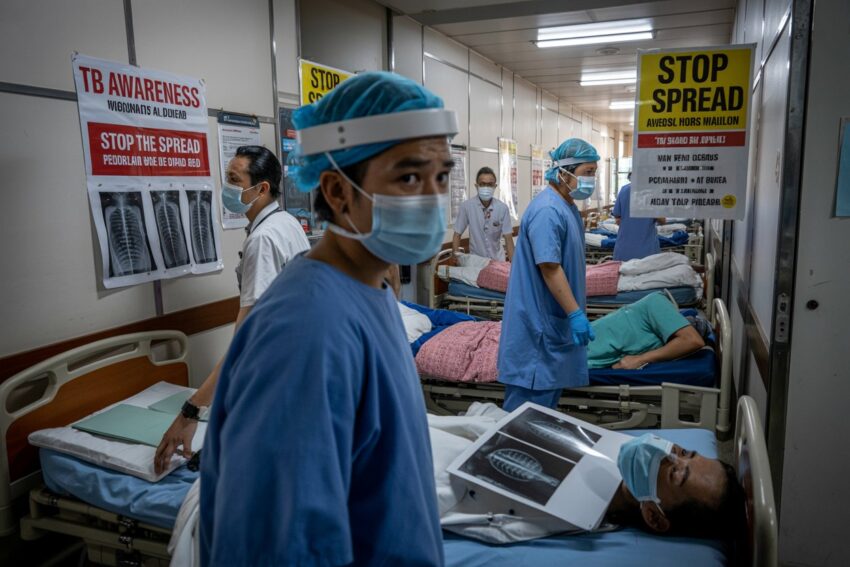
Malaysia Battles Escalating TB Outbreak With 10 New Tuberculosis Clusters Putting Travelers at Risk and Urging Strict Health Precautions – How Should Travelers Protect Themselves?
Malaysia Battles Escalating TB Outbreak With 10 New Tuberculosis Clusters Putting Travelers at Risk and Urging Strict Health Precautions – How Should Travelers Protect Themselves?
Malaysia is facing a rising TB outbreak in early 2026, with health authorities confirming 10 new tuberculosis clusters across the country. With the holiday season approaching, officials are urging travelers to stay informed and take precautions, including wearing masks in crowded areas. This TB outbreak highlights the importance of following official guidance to protect both yourself and the community while traveling.
In Kota Tinggi, Johor, 37 TB cases have been identified, six of which involve students. Three of these students have already recovered, according to state education and information committee chairman Aznan Tamin. Across Malaysia, over 2,571 cases have been reported from January 1 to February 7, 2026. With festivities like Chinese New Year and Ramadan around the corner, it’s essential for travelers to follow the latest Malaysia health advisory updates.
What You Need to Know About TB
Tuberculosis, caused by the bacterium Mycobacterium tuberculosis, is a contagious disease that primarily attacks the lungs but can affect other organs in severe cases. Common symptoms include:
Night sweats and fever
Persistent coughing
Unintended weight loss
Coughing up blood in advanced stages
TB can show up in two forms: active TB disease and latent TB infection.
Latent TB infection: The bacteria remain dormant in the body, and the infected person shows no symptoms. They are not contagious but may develop active TB later if untreated.
Active TB disease: The bacteria overwhelm the immune system, causing symptoms and enabling the person to spread the disease to others.
Singapore’s Ministry of Health reported 1,156 new active TB cases in 2024, with an incidence rate of 27.6 per 100,000 residents. While most people exposed to TB never develop the disease, exposure over time can still result in illness, especially for those with weaker immune systems.
How TB Spreads and Who’s at Risk
TB spreads through the air when an infected person coughs or sneezes. Close and prolonged contact increases the risk of transmission, according to the Communicable Diseases Agency. People most at risk include:
Children under five and older adults
Individuals with weakened immune systems, including those with HIV or diabetes
Household members, colleagues, and classmates of infected individuals
People with substance abuse issues
Professor Hsu Li Yang of the NUS Saw Swee Hock School of Public Health stresses that those with suppressed immunity should carefully consider whether travel is necessary during this period.
Should You Rethink Your Travel Plans?
Despite the TB outbreak, experts do not recommend postponing travel to Malaysia for most people. Key advice includes:
Follow the guidance provided in the Malaysia health advisory.
Wear masks in crowded spaces.
Maintain good hand hygiene and avoid close contact with people showing symptoms.
Be alert for any signs of illness and seek medical care promptly if symptoms develop.
As TB is an airborne infectious disease Malaysia, travelers should take sensible precautions but do not need to cancel their plans unless they belong to a high-risk group.
How TB is Treated and Prevented
TB is a treatable condition, and timely intervention can prevent serious health complications. Government health authorities recommend:
Screening: Anyone identified as a contact of confirmed TB cases should get screened as soon as possible.
Treatment for active TB: A combination of medications is typically taken for six to nine months under healthcare supervision to ensure proper adherence.
Treatment for latent TB infection: Preventive therapy lasting four to six months can reduce the likelihood of developing active TB in the future.
If left untreated, TB can lead to severe lung damage, long-term disability, or even death. Following prescribed treatment and official advice is essential for both personal safety and public health.
Key Takeaways for Travelers
Malaysia has reported 10 new tuberculosis clusters in early 2026, contributing to over 2,500 cases nationwide.
Airborne transmission is most likely with prolonged, close contact.
People at higher risk, such as young children, the elderly, or those with weakened immune systems, should take extra care.
Active TB can be effectively treated under medical supervision, and latent TB infection can be managed to prevent progression.
Following the Malaysia health advisory and observing recommended travel precautions is crucial.
Travelers should remain alert for symptoms like prolonged cough, fever, night sweats, or unexplained weight loss and seek medical advice promptly.
Conclusion
The ongoing TB outbreak in Malaysia serves as a reminder that staying informed and taking practical precautions is vital. While travel does not need to be postponed for most people, following the Malaysia health advisory, wearing masks, practicing good hygiene, and monitoring your health remain essential steps. Early detection, adherence to treatment, and preventive measures for latent TB infection are the best ways to protect yourself and others. By staying vigilant, travelers can continue to enjoy their trips safely while minimizing the risk posed by this TB outbreak.
The post Malaysia Battles Escalating TB Outbreak With 10 New Tuberculosis Clusters Putting Travelers at Risk and Urging Strict Health Precautions – How Should Travelers Protect Themselves? appeared first on Travel And Tour World.
Source: travelandtourworld.com



Sorry, the comment form is closed at this time.