


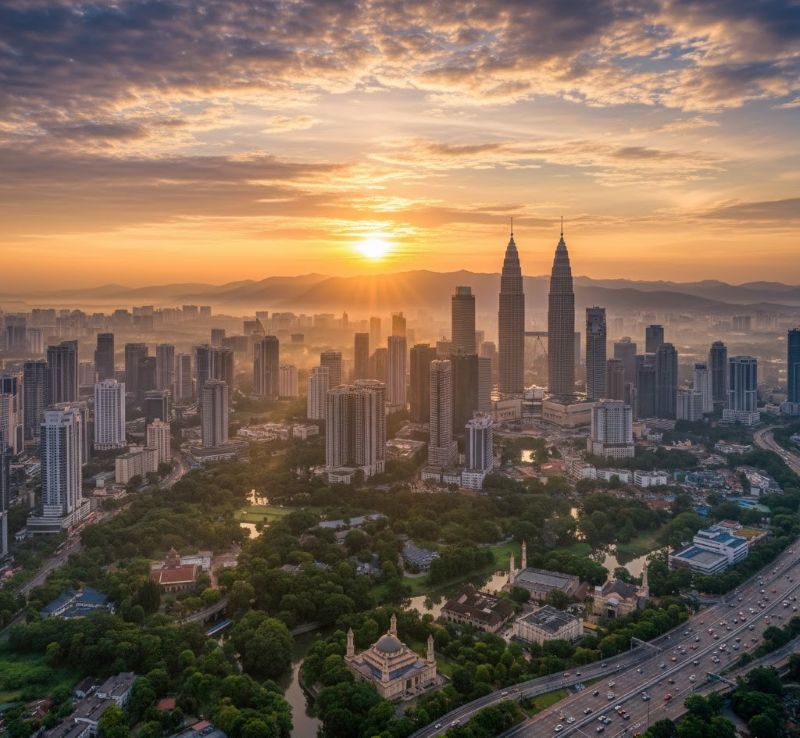
Malaysia Is Going Totally Viral In India For Its Massive New Travel Vision, See How This Stunning Paradise Is Becoming The World’s Most Iconic Wedding And Food Hub
Malaysia Is Going Totally Viral In India For Its Massive New Travel Vision, See How This Stunning Paradise Is Becoming The World’s Most Iconic Wedding And Food Hub
The world of international exploration is currently experiencing a monumental transformation as popular destinations redefine their marketing tactics to engage with rapidly expanding markets. Consequently, a bold new objective has been established as Malaysia targets 2.1 million Indian tourist arrivals in 2026. This ambitious goal serves as a primary foundation for the upcoming Visit Malaysia Year 2026 initiative. Recent statistics highlight a flourishing era for the local hospitality sector, showing that travelers from India reached 1.56 million in 2025. This figure represents a noteworthy 14.6% increase from the 1.36 million guests hosted in 2024. By launching this global promotional mission in Visakhapatnam, authorities are emphasizing the vital role that regional centers play in the broader recovery of the travel industry. Such a significant rise in visitor frequency will likely help balance ticket costs and motivate other countries to streamline their visa processes to stay relevant in a competitive market.
The Economic Impact on the Global Travel Industry
When a prominent nation like Malaysia sets its sights on 2.1 million Indian tourist arrivals in 2026, the resulting influence spreads across the entire international travel network. For the airline sector, this translates into a major boost in available seating and the use of modern, eco-friendly planes to manage the high traffic. Within the lodging industry, there is a growing need for customized services that respect and celebrate unique cultural traditions. This focused approach toward the Indian demographic will likely create a chain reaction, prompting other Southeast Asian neighbors to upgrade their facilities to remain attractive. Additionally, emphasizing large-scale arrivals supports everyone from local craftsmen to massive hotel groups, keeping the travel economy resilient against unpredictable financial shifts.
Enhancing Global Connectivity and Aerial Access
A key element of this overarching plan is the significant broadening of air travel corridors. At present, there are 238 weekly direct flights in operation, which provide a total of 47,399 seats across 14 Indian cities. A heavy emphasis has been placed on South India, a region that currently facilitates 151 weekly direct flights and offers 29,541 seats.
This higher flight frequency naturally decreases the time spent in transit for those traveling long distances.
Increased competition among airlines often leads to more affordable pricing for international passengers.
People residing in Visakhapatnam can now reach Kuala Lumpur through streamlined transit points in Singapore, with four flights scheduled every week. This improved level of entry is changing the way modern vacationers organize their trips, making the entirety of Southeast Asia feel more connected and easy to visit for the typical holidaymaker.
Cultural Integration and the Wedding Destination Shift
The international wedding sector is evolving as couples increasingly look for overseas locations that provide a blend of high-end luxury and cultural comfort. It has been observed that Malaysia is now a top-tier selection for Indian marriage ceremonies because the local atmosphere shares many commonalities with Indian traditions. These parallels help wedding guests feel settled and at home, even while they are exploring a different country. Furthermore, the local food scene is being carefully adapted to suit various dietary requirements, presenting a diverse array of flavors that many describe as a true gastronomic delight. This concentration on specialized travel markets—particularly food and weddings—provides a roadmap for how other territories can leverage their own history to attract specific groups and encourage longer stays.
Strengthening International Trade Partnerships
The ultimate realization of the Visit Malaysia Year 2026 project depends heavily on the cooperation between global service providers and regional business associates. By holding promotional events in locations such as Visakhapatnam and Coimbatore, organizers are establishing a deep-rooted community of industry professionals. These alliances ensure that every traveler receives accurate details and high-quality care throughout their journey. This collaborative effort involves 49 sellers alongside numerous partners from Andhra Pradesh, effectively linking local interest with international opportunities. Such a coordinated strategy is vital for successfully hosting the predicted 2.1 million visitors while ensuring that infrastructure keeps up with the rapid pace of growth.
Global Effects on the Modern Traveler
For the average person going on holiday, these changes offer much more than just a wider variety of flights. The drive toward achieving 2.1 million Indian tourist arrivals in 2026 is pushing the boundaries of innovation in electronic visa systems and smart airport tools. As Malaysia refines its operations to welcome millions of people, other international transport hubs are compelled to modernize their own tech to stay ahead. This leads to a better experience characterized by shorter wait times, superior mobile booking options, and a smooth transition from the departure gate to the hotel room. Ultimately, the focus on cultural exchange builds a more welcoming global community where adventurers can discover new lands while still finding the familiar warmth of home in the food, language, and service they encounter.
The post Malaysia Is Going Totally Viral In India For Its Massive New Travel Vision, See How This Stunning Paradise Is Becoming The World’s Most Iconic Wedding And Food Hub appeared first on Travel And Tour World.
Source: travelandtourworld.com



Sorry, the comment form is closed at this time.