


Massive Winter Storm 2026: Bomb Cyclone Paralyzes US Travel, Air, and Roads
Massive Winter Storm 2026: Bomb Cyclone Paralyzes US Travel, Air, and Roads
Across the United States, the roar of jet engines and the hum of interstate traffic have been replaced by an eerie, frozen silence. As of late February 2026, a “monster” winter storm—classified by meteorologists as a rapidly intensifying bomb cyclone—has effectively paralyzed the nation’s infrastructure. From the sunny terminals of Tampa to the skyscraper-lined streets of Manhattan, the impact is historic, leaving millions of travelers stranded and entire cities under lock and key.
This isn’t just another cold snap. It is a generational weather event that has forced governors to declare states of emergency and prompted the first city-wide travel bans in years.
The Epicenter: A Northeast in Lockdown
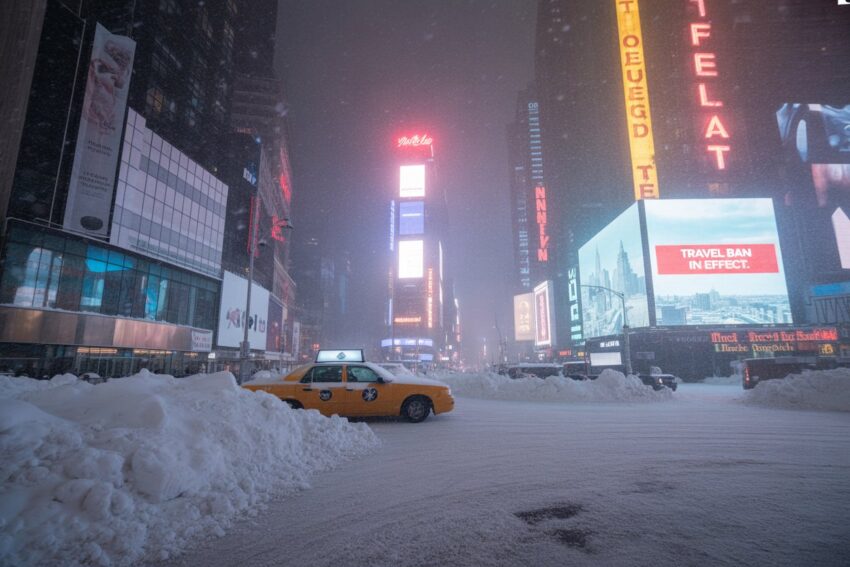
The heart of the chaos lies in the Northeast corridor. In a move rarely seen in the history of the “City That Never Sleeps,” New York City Mayor Zohran Mamdani issued a total ban on non-emergency travel. Between Sunday night and Monday afternoon, the streets, bridges, and tunnels of New York were cleared of all but essential vehicles.
“New York City has not faced a storm of this scale in the last decade,” Mamdani warned, calling it a “mission” for residents to stay inside and stay cozy. For the first time since 2019, NYC schools enjoyed an “old-school” snow day, with remote learning suspended alongside physical classrooms, as the city faced a staggering two feet of snow and hurricane-force wind gusts.
Air Travel: A Systemic Collapse
The aviation industry is currently facing its most significant operational crisis since the 2020 pandemic. Data from flight-tracking services shows a staggering collapse:
Cancellations: More than 6,000 flights were scrapped between Sunday and Monday alone.
Hub Closures: Major gateways including JFK, LaGuardia, Newark, and Boston Logan effectively ceased operations as visibility dropped to near-zero.
The “Ripple Effect”: Even cities far from the snow, like Tampa and Orlando, have seen hundreds of cancellations. The issue isn’t Florida’s weather; it’s the fact that planes and crews are physically trapped in frozen northern hubs.
Aviation experts describe a “no-slack” system. With flights already booked to near-capacity for the spring travel season, there are simply no empty seats to accommodate the hundreds of thousands of displaced passengers. Families are being forced to spend nights on terminal floors, while airlines like Delta and United have issued sweeping travel waivers to allow for rebooking once the skies clear.
Roads and Rails: “Treacherous and Life-Threatening”
The National Weather Service (NWS) has used unusually blunt language this week, describing travel as “potentially life-threatening.” In North Carolina, the highway patrol reported over 1,000 collisions in a single weekend.
Further north, the combination of heavy, wet snow and 60-mph winds has snapped power lines and turned highways into impassable ice rinks. In New Jersey and Pennsylvania, commercial vehicle bans were enacted to prevent jackknifed semis from blocking emergency routes. NJ TRANSIT and other regional rail services were largely suspended, leaving commuters with no choice but to wait out the storm.
The DHS Factor: A Complicated Recovery
Adding to the frustration is an ongoing partial government shutdown at the Department of Homeland Security (DHS). As reported by Que Onda Magazine and other outlets, the funding lapse has led to the suspension of expedited screening programs like TSA PreCheck and Global Entry.
For the few travelers whose flights are actually taking off, this means standard security lines are longer and more congested than usual. With federal staff redirected to basic screening duties and FEMA resources focused strictly on “active emergencies,” the machinery of travel recovery is moving at a glacial pace.
The Human Perspective: Settle In and Stay Safe
While the statistics—150 million people under weather alerts, 28 inches of snow in some areas—are daunting, the human advice remains simple. New York Governor Kathy Hochul urged residents to perform a final check of groceries and medicines before “settling in.”
“Watch some more Olympics, read a book, call your moms,” Hochul advised during a press briefing. It’s a reminder that during a bomb cyclone, the best way to “travel” is through a phone call or a video chat from the safety of home.
Survival Tips for the 2026 Blizzard
If you are currently caught in the storm’s path or stranded at an airport:
Trust the App, Not the Board: Airport departure boards can lag. Your airline’s mobile app is the most accurate source for gate changes and rebooking.
Charge Everything: Power outages are a major risk. Keep external battery packs charged and phones on low-power mode.
Respect the Ban: Travel bans are not suggestions. They are enacted so that snowplows and emergency vehicles can clear the way for everyone’s safety.
Patience is Mandatory: Airline staff and emergency responders are working in extreme conditions, often without their full support teams. A little kindness goes a long way.
Looking Ahead
Forecasters expect the storm to begin departing northern New England by Tuesday morning. However, “recovery mode” will likely last through the end of the week. With black ice remaining a threat due to sub-freezing night temperatures, the message from coast to coast remains clear: The storm may pass, but the danger lingers.
The post Massive Winter Storm 2026: Bomb Cyclone Paralyzes US Travel, Air, and Roads appeared first on Travel And Tour World.
Source: travelandtourworld.com


Sorry, the comment form is closed at this time.