


Mexico City Sees Aeroméxico Traffic Dip in Jan 2026, Boosting International Tourism Hubs: What You Need to Know
Mexico City Sees Aeroméxico Traffic Dip in Jan 2026, Boosting International Tourism Hubs: What You Need to Know
Mexico City, gateway to Mexico‘s vibrant tourism scene, witnesses Aeroméxico carrying two million fifty-three thousand passengers in January 2026, down 1.8 percent from prior year. International passengers rose 2.7 percent to seven hundred fifty-five thousand, offsetting a 4.2 percent domestic decline to over 1.2 million. This shift underscores growing tourism demand on long-haul routes, positively impacting arrivals to Cancun and beyond.
Capacity, via available seat miles (ASMs), fell 2.3 percent overall, with international ASMs down 1.7 percent and domestic by 3.6 percent. Demand in revenue passenger miles (RPMs) edged up 1.1 percent, led by 3.8 percent international growth. Load factor hit eighty-seven percent, up 2.9 points, signaling efficient operations that sustain tourism flow amid economic pressures.
International Tourism Drives Recovery
Aeroméxico‘s international uptick fuels tourism to Mexico City‘s cultural landmarks and connects seamlessly to beach paradises like Cancun. Stronger transborder demand reflects renewed confidence post-2025 recoveries, with Latin American and US routes thriving. This bolsters tourism economies, drawing leisure seekers to Mayan Riviera escapes.
Load factor on international flights surged 4.7 points, highlighting optimized scheduling for high-yield tourism traffic. Domestic softness ties to seasonal lulls, but overall efficiency preserves Mexico‘s status as a top destination, supporting hotel occupancies and local vendors.
Domestic Challenges Amid Tourism Push
Domestic RPMs dropped five percent as Aeroméxico trims capacity strategically in Mexico City and secondary cities. This realignment prioritizes profitable international tourism lanes, mitigating impacts from fuel costs and competition. Tourism within Mexico adapts via hybrid travel, blending air with buses for inland sites.
Felipe Ángeles International Airport (AIFA), Mexico‘s newest hub near Mexico City, benefits from such adjustments, easing congestion at traditional airports. Enhanced load factors ensure reliable service, encouraging domestic explorers to heritage towns without disrupting broader tourism momentum.
Load Factor Excellence Boosts Confidence
Achieving eighty-seven percent load factor, Aeroméxico demonstrates operational prowess, with international metrics outpacing domestic by wide margins. This efficiency directly enhances tourism viability, allowing competitive pricing on routes to Cancun‘s resorts and Mexico City‘s UNESCO sites. Investors note the disciplined approach post-restructuring.
Higher occupancy translates to sustained tourism campaigns, promoting Mexico as a year-round haven. Families and adventurers fill seats, amplifying visits to Chichen Itza and Teotihuacan pyramids.
Mexico City’s Aviation Hub Status
As Mexico City anchors Aeroméxico‘s network, January stats affirm its role in funneling tourism to sun-soaked coasts and colonial gems. International growth counters domestic dips, aligning with national strategies for aviation-led recovery. Tourism boards leverage this, targeting Europeans via Madrid connections.
Benito Juarez International Airport handles surging volumes, while AIFA expansion disperses tourism traffic efficiently. Positive RPM trends signal Q2 capacity rebounds, promising escalated visitor numbers.
Cancun Emerges as Tourism Powerhouse
Cancun, Aeroméxico‘s marquee international draw, sees amplified tourism from steady passenger lifts. Riviera Maya’s all-inclusives thrive on reliable flights, with load factors ensuring full planes. This connectivity elevates Mexico‘s Caribbean appeal, impacting dive sites and eco-parks positively.
Routes to US gateways like Dallas and Toronto sustain snowbird tourism, filling resorts amid winter. Aeroméxico‘s focus fortifies Cancun‘s recovery, supporting twenty million annual visitors.
Government Support for Tourism Growth
Mexico‘s Secretaría de Turismo (Sectur) champions aviation expansions, with Aeroméxico aligning to nearshoring booms. Policies streamline visas for key markets, enhancing international tourism inflows to Mexico City hubs. Domestic incentives offset declines, fostering balanced growth.
Infrastructure investments at AIFA promise decongested skies, indirectly boosting tourism safety and speed. Load factor gains reflect regulatory harmony.
Economic Ripples Across Tourism Sectors
Tourism in Mexico generates billions, with Aeroméxico‘s metrics signaling resilience despite 1.8 percent passenger dip. International strength offsets domestic, preserving jobs in hospitality from Mexico City to Cancun. Efficiency metrics encourage expansions to emerging spots like Huatulco.
Higher RPMs fuel supplier chains, from Riviera Maya excursions to capital eateries. Tourism stakeholders anticipate Q2 upticks.
Future Outlook for Aviation Tourism
Aeroméxico projects capacity growth resuming soon, targeting tourism surges in peak seasons. International momentum positions Mexico City and Cancun for record inflows, with optimized ASMs maximizing yields. Domestic recovery hinges on events and holidays.
Sustained eighty-seven percent load factors build investor trust, enabling fleet modernizations for greener tourism flights. Mexico eyes one hundred million passengers yearly.
Strategic Network Realignment Pays Off
By pruning underperformers, Aeroméxico hones tourism-centric routes, elevating Mexico City‘s global profile. Cancun‘s gains exemplify success, drawing luxury and budget travelers alike. This agility ensures tourism thrives amid volatility.
Long-term, alliances with Delta fortify transatlantic tourism, linking Europe to Mexico‘s treasures seamlessly.
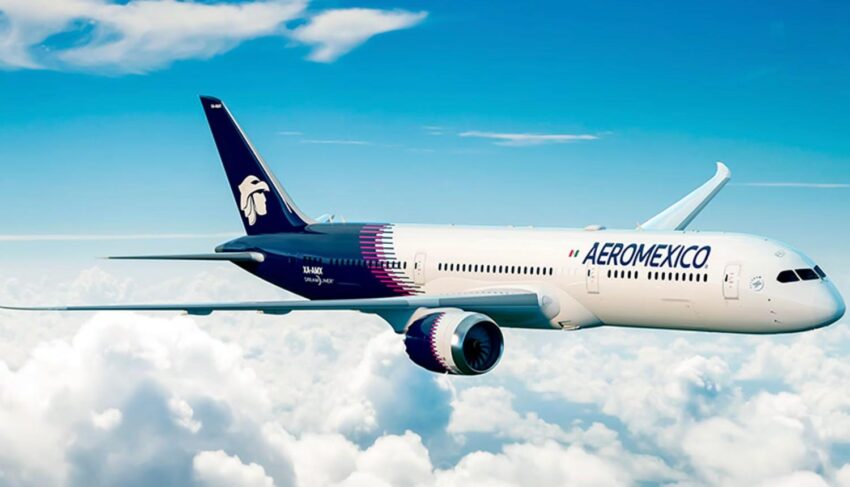
Image Credit: Aeroméxico
The post Mexico City Sees Aeroméxico Traffic Dip in Jan 2026, Boosting International Tourism Hubs: What You Need to Know appeared first on Travel And Tour World.
Source: travelandtourworld.com



Sorry, the comment form is closed at this time.