


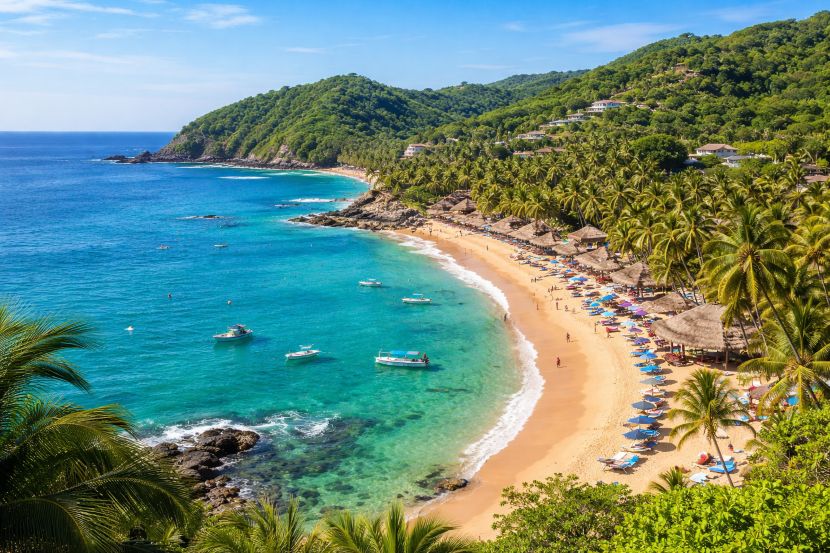
Mexico Joins Belize, Indonesia, Maldives, Jamaica and Other Leading Nations in Pioneering the iCOAST Initiative for Sustainable Coastal Tourism and Marine Conservation
Mexico Joins Belize, Indonesia, Maldives, Jamaica and Other Leading Nations in Pioneering the iCOAST Initiative for Sustainable Coastal Tourism and Marine Conservation
Mexico is stepping up as a global leader in sustainable tourism with its participation in the iCOAST initiative, a groundbreaking project designed to transform coastal tourism while ensuring the preservation of marine ecosystems. By joining forces with Belize, Indonesia, Maldives, Jamaica, and other forward-thinking nations, Mexico is strengthening its commitment to environmental sustainability and climate resilience. The iCOAST initiative aims to promote low-carbon tourism models, reduce pollution, and create inclusive economic opportunities for local communities, setting a new standard for responsible coastal tourism development worldwide. Through this collective effort, Mexico is not only protecting its vibrant coastal ecosystems but also ensuring the long-term health and success of its thriving tourism sector.
In a significant move toward sustainable tourism, Mexico’s Ministry of Tourism (SECTUR) has launched the iCOAST initiative, a groundbreaking project aimed at reshaping coastal tourism through sustainability, inclusivity, and shared economic benefits. The initiative, designed to align Mexico’s tourism sector with global environmental and climate objectives, positions Mexico as a leader in the sustainable coastal tourism movement. This program not only enhances the country’s tourism industry but also ensures the long-term preservation of its precious coastal and marine ecosystems.
The Vision for iCOAST
The primary goal of the iCOAST initiative is to catalyze a structural transformation in Mexico’s coastal tourism, focusing on the adoption of low-carbon practices, pollution reduction, and promotion of a circular economy. Mexico’s Minister of Tourism, Josefina Rodríguez Zamora, emphasized that the iCOAST initiative is intended to make Mexico’s coastal destinations more climate resilient while driving economic growth through sustainable tourism.
Rodríguez Zamora highlighted that the initiative will also contribute directly to increased climate resilience, aiming for significant improvements in the environmental sustainability of coastal regions while ensuring economic benefits for local communities. Through low-carbon models, the initiative plans to reduce environmental footprints, foster eco-friendly tourism, and create new green jobs that will help boost local economies.
Focusing on Key Coastal Regions
The iCOAST initiative will be primarily implemented in six coastal states in Mexico:
Baja California
Baja California Sur
Sonora
Sinaloa
Nayarit
Jalisco
These states are pivotal to Mexico’s tourism economy, accounting for a significant portion of the country’s tourist arrivals and contributing substantially to its marine biodiversity. The initiative aims to preserve the natural beauty of Mexico’s coastlines while ensuring that sustainable tourism practices are embedded into local economies. iCOAST will focus on strengthening marine ecosystem conservation, promoting pollution-free tourism, and ensuring these ecosystems remain vibrant for future generations.
Environmental Impact and Global Collaboration
The iCOAST initiative will deliver impressive environmental benefits. SECTUR predicts that the project will reduce over 405,000 metric tons of carbon dioxide emissions, making a significant contribution toward climate goals. Furthermore, it will focus on reducing plastic waste, toxic chemicals, and hazardous materials that harm coastal and marine environments. By implementing these actions, iCOAST will help reduce the pressures placed on marine biodiversity while ensuring the continued success of coastal tourism, which heavily relies on the health of the ecosystem.
The iCOAST initiative is not only a national project; it’s also part of the broader Global iCOAST Program, which is supported by the Global Environment Facility (GEF). This program has been rolled out in various countries, aiming to promote sustainable tourism practices and marine conservation through collaborative efforts. Through the Global iCOAST Program, Mexico joins a group of leading nations that are committed to sustainable coastal tourism practices.
Countries Leading the Charge in Sustainable Coastal Tourism
Mexico’s participation in the iCOAST initiative aligns with similar actions by other countries globally that have committed to advancing sustainable coastal tourism and marine conservation. Here are some of the key nations that have also joined this global movement:
Belize: A prominent participant in the iCOAST program, Belize has been committed to integrating sustainable tourism practices, particularly in its marine reserves and coastal ecosystems, with a focus on eco-tourism and biodiversity conservation.
Indonesia: Through iCOAST, Indonesia has taken significant steps to preserve its vast marine biodiversity while promoting sustainable coastal tourism. With its expansive coastline, Indonesia’s commitment to sustainability is critical to the success of the program.
Maldives: A country heavily reliant on its coastal tourism, the Maldives has committed to protecting its fragile marine ecosystems through sustainable practices that are part of the iCOAST initiative, aiming to maintain the balance between tourism growth and ecosystem protection.
Jamaica: Jamaica is leveraging the iCOAST framework to strengthen its coastal zones and create sustainable tourism opportunities that support both local communities and the environment. The country’s involvement ensures that tourism continues to thrive while also protecting marine life and reducing carbon emissions.
Seychelles: While not part of the original iCOAST project, Seychelles has launched its own sustainability initiatives, including the creation of a Blue Bond, which directly funds marine conservation and eco-tourism development, reflecting the goals of the iCOAST program.
The Gambia, Kenya, Mozambique, Nigeria, Senegal, Tanzania: Several African nations have joined forces through the Collaborative Actions for Sustainable Tourism (COAST) Project, a similar initiative focusing on coastal conservation, pollution reduction, and sustainable tourism practices aimed at creating resilient coastal communities.
These countries, alongside Mexico, demonstrate that sustainable coastal tourism is becoming a global priority. By sharing knowledge, strategies, and resources, these nations are setting the stage for a greener, more resilient tourism industry that not only contributes to their economies but also preserves the natural environments that make them unique.
Projected Social and Economic Impacts
The iCOAST initiative is also expected to bring about social and economic benefits, directly benefiting over 877,000 individuals across the coastal regions. The initiative aims to prioritize gender equality, social inclusion, and the empowerment of local communities. The sustainable tourism models developed under iCOAST will create new green jobs in areas like eco-tourism, marine conservation, and sustainable tourism operations.
In this way, iCOAST ensures that the benefits of tourism are equitably distributed, especially in areas that heavily depend on coastal resources but have yet to fully capture the economic benefits of tourism.
A Collaborative Approach for the Future
The iCOAST initiative is set to have a lasting impact on both the environment and local economies. Through international collaboration, policy adjustments, and community involvement, the program will ensure that coastal tourism continues to thrive in a way that respects the environment, promotes social equity, and drives economic sustainability.
By joining Belize, Indonesia, Maldives, Jamaica, and other nations in this global movement, Mexico is leading the way in showing how tourism growth can be aligned with environmental protection. This initiative sets a global example for other nations to follow in ensuring that sustainability and economic development go hand in hand.
Conclusion
Mexico’s adoption of the iCOAST initiative underscores the growing recognition that sustainable tourism is essential for the future of coastal destinations. With global leaders such as Belize, Indonesia, Maldives, and Jamaica already championing similar initiatives, Mexico’s participation reinforces the global commitment to sustainable coastal tourism. Through this initiative, Mexico is not only preserving its coastal ecosystems but also setting the stage for a greener, more resilient future for tourism, ensuring that future generations can continue to enjoy its beautiful coastlines while maintaining environmental balance.
The post Mexico Joins Belize, Indonesia, Maldives, Jamaica and Other Leading Nations in Pioneering the iCOAST Initiative for Sustainable Coastal Tourism and Marine Conservation appeared first on Travel And Tour World.
Source: travelandtourworld.com


Sorry, the comment form is closed at this time.