


Mexico Leads the Way with New iCOAST Project Ushering in a New Era of Sustainable Coastal Tourism Promoting Green Growth and Eco-Friendly Practices for the Future
Mexico Leads the Way with New iCOAST Project Ushering in a New Era of Sustainable Coastal Tourism Promoting Green Growth and Eco-Friendly Practices for the Future
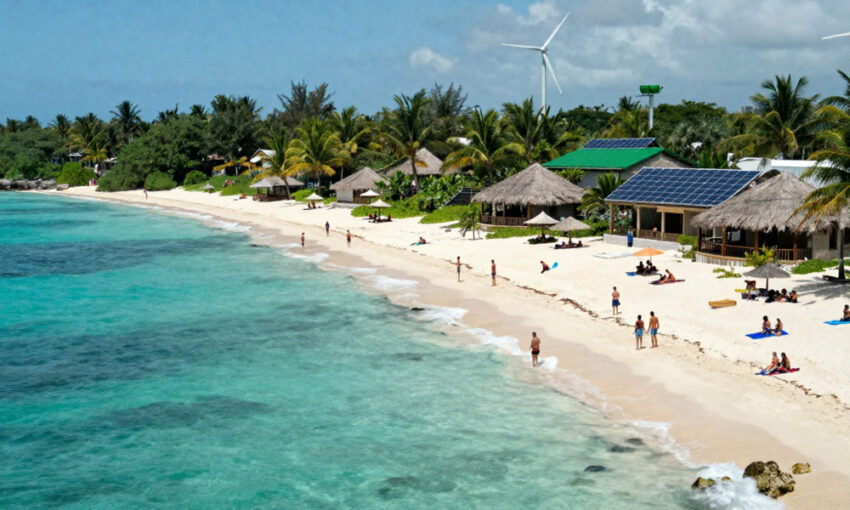
Mexico is set to transform its coastal tourism industry with the launch of the iCOAST project, a bold initiative aimed at promoting sustainability, environmental protection, and economic growth. The project seeks to revolutionize coastal destinations by focusing on low-carbon models, circular economy practices, and enhanced climate resilience, all while directly benefiting local communities. With a focus on reducing carbon emissions, plastic waste, and protecting marine ecosystems, iCOAST will create a sustainable framework for tourism that aligns with Mexico’s broader environmental goals. This groundbreaking approach will not only boost tourism but also ensure that it thrives in harmony with nature, demonstrating that growth and conservation can go hand in hand for the future.
Mexico’s Ministry of Tourism is spearheading a national initiative to transform coastal tourism, focusing on sustainability, inclusion, and shared economic prosperity. This effort is encapsulated in the Integrated Collaborative Approaches for Sustainable Tourism (iCOAST) project, which is designed to align the tourism industry with broader climate and environmental goals.
The main objective of this initiative is to guide the structural transformation of the tourism sector, particularly in coastal destinations. The aim is to boost the sector’s competitiveness while fostering sustainability through low-carbon models, pollution reduction, the promotion of a circular economy, and increased climate resilience. This initiative is expected to generate direct benefits for both communities and surrounding territories, strengthening the balance between economic growth and environmental protection.
The iCOAST project will primarily focus on coastal regions across six Mexican states: Baja California, Baja California Sur, Sonora, Sinaloa, Nayarit, and Jalisco. These states are central to Mexico’s tourism economy, contributing significantly to the national tourism revenue, and home to a large portion of the country’s marine and coastal biodiversity. As these areas continue to draw tourists, integrating sustainable practices will be key to long-term growth.
Environmental benefits are a major component of iCOAST. According to projections, the project is expected to reduce over 405,000 metric tons of carbon dioxide emissions, which equates to a substantial environmental impact. Beyond carbon reduction, the initiative is designed to cut down on plastic waste, eliminate hazardous chemicals, and reduce toxic residues. These actions will directly contribute to the protection and sustainable management of Mexico’s delicate marine and coastal ecosystems.
On the social and economic front, the iCOAST project is set to benefit over 877,000 people, with an emphasis on promoting gender equality and social inclusion. The initiative presents an opportunity to demonstrate that tourism can grow while simultaneously safeguarding ecosystems, creating green jobs, and strengthening local economies. This approach aims to show that economic development and environmental responsibility can coexist.
The project’s preparation phase has already been completed, with all technical and financial requirements met. Following this, the proposal was submitted to the Global Environment Facility (GEF) Secretariat, where it has received an endorsement letter from Mexico’s GEF Operational Focal Point. Additionally, the project has secured internal approvals from both the UN Environment Programme (UNEP) and the UN Development Programme (UNDP). These steps have moved the project into the final stages of review, with technical evaluations currently being carried out by the GEF Secretariat to assess its environmental and social impact. During this phase, national and international agencies are collaborating to address any concerns and ensure that the project meets its goals.
Once iCOAST is approved, it will enter the implementation phase. This phase will see coordination between various government ministries, including Tourism, Environment and Natural Resources, and Finance. The project will also collaborate with state governments, private-sector stakeholders, small and medium-sized tourism enterprises, and local communities to ensure its success. A key component of the execution will be strengthening regulatory frameworks, mobilizing sustainable finance, and promoting clean technologies and circular economy practices. Additionally, the project will focus on building institutional capacity at the local and national levels to ensure long-term sustainability.
The iCOAST project is a part of the global iCOAST initiative, which is financed by the GEF and implemented by UNEP, with UNDP serving as the lead agency. In Mexico, the national implementation of the project will be carried out in coordination with Pronatura Noroeste, a conservation organization working in the region, alongside the Mexican government. Through the combined efforts of various stakeholders, iCOAST aims to create a model for sustainable coastal tourism that can be replicated in other regions worldwide.
The post Mexico Leads the Way with New iCOAST Project Ushering in a New Era of Sustainable Coastal Tourism Promoting Green Growth and Eco-Friendly Practices for the Future appeared first on Travel And Tour World.
Source: travelandtourworld.com



Sorry, the comment form is closed at this time.