


Miami, New York, Los Angeles, San Francisco, Chicago and More Join in New US Tourism Crisis as Tourists from London, Paris, Berlin, Rome, and More European Countries Punishing American Travel Sector Hard Ahead of FIFA World Cup 2026
Miami, New York, Los Angeles, San Francisco, Chicago and More Join in New US Tourism Crisis as Tourists from London, Paris, Berlin, Rome, and More European Countries Punishing American Travel Sector Hard Ahead of FIFA World Cup 2026
A new US tourism crisis is emerging as Miami, New York, Los Angeles, San Francisco, Chicago, and many other major US cities are feeling the heat. Tourists from London, Paris, Berlin, Rome, and more European countries are punishing the American travel sector as a result of rising travel costs and economic uncertainties. This surge in declining tourism numbers is impacting US cities hard, just as the FIFA World Cup 2026 approaches. With global travel dynamics shifting, the US is facing tough challenges in welcoming European visitors, and it could impact the future of American tourism. Don’t miss the full story!
The excitement of the World Cup 2026, co-hosted by the United States, Mexico, and Canada, is drawing attention worldwide. Football fans are gearing up for one of the biggest sporting events in the world. However, there’s one major issue threatening to overshadow this spectacle: Fewer Europeans are planning to visit the U.S. this summer. With the tournament just around the corner, this decline in bookings could have a big impact on the tourism industry, especially for the U.S. In this article, we explore the reasons behind this decline and what it means for the 2026 World Cup.
Fewer Europeans are heading to the U.S. this summer, and this shift in travel habits could significantly impact the World Cup 2026. As the U.S. prepares to host this prestigious global event, the drop in European visitors raises questions about tourism trends and economic effects. With rising travel costs and political concerns, fewer Europeans are planning trips to the U.S., making it crucial to understand how this will influence World Cup attendance. As this issue grows, it’s important to explore what fewer Europeans in the U.S. means for the tourism industry and the upcoming World Cup
Why Are Fewer Europeans Visiting the U.S.?
Several factors have contributed to the drop in European visitors to the U.S. this summer. From rising travel costs to political concerns, it seems that the U.S. is no longer the number one destination for European tourists.
Major U.S. Destinations Seeing Fewer European Tourists:
New York City (MetLife Stadium in New Jersey, World Cup matches likely)
Popular for sightseeing, Broadway shows, and iconic landmarks like Times Square, the Statue of Liberty, and Central Park.
Los Angeles (Rose Bowl & SoFi Stadium for World Cup matches)
Known for Hollywood, beaches like Santa Monica, and global events like concerts and sports matches.
Miami (Hard Rock Stadium for World Cup)
Known for its beaches, vibrant nightlife, and cultural offerings from art to cuisine.
San Francisco (Levi’s Stadium for World Cup)
Famous for the Golden Gate Bridge, Alcatraz, and tech culture in Silicon Valley.
Chicago (a potential World Cup venue in the future)
A hub for architecture, history, and cultural festivals.
Las Vegas (potential World Cup destination)
The entertainment capital known for its casinos, shows, and luxury hotels.
Dallas/Fort Worth (AT&T Stadium)
Known for its large cultural institutions and southern hospitality.
Why Europeans Might Be Reconsidering These Destinations:
Visa and Travel Policies: Strict visa requirements or perceptions of difficult entry could be deterring European tourists.
Rising Travel Costs: Due to exchange rate fluctuations and increasing flight prices, many Europeans may find trips to the U.S. less affordable.
Political or Social Sentiment: Some Europeans might be wary of changing immigration policies or political rhetoric that influences their travel decisions.
The decline in bookings, especially from European tourists, likely affects these big U.S. tourist cities, including New York, Los Angeles, and Miami, where high numbers of European visitors typically travel for leisure, events, or business trips. However, the U.S. hosting the World Cup might still result in spikes of international tourism, especially closer to the event dates in 2026.
Rising Travel Costs Are a Major Concern
One of the most significant reasons for the decline in European travel to the U.S. is the rising cost of travel. Airfares from Europe to the U.S. have shot up in recent years, mainly due to rising fuel prices and inflation. This has made long-haul flights less affordable for many European travelers. On top of that, hotel prices in major U.S. cities like New York, Los Angeles, and Miami have increased, making the overall trip more expensive.
The strong U.S. dollar is also a factor. When the U.S. dollar strengthens against the euro, it means that Europeans get less value for their money when they exchange currency. This makes everything from meals to shopping more expensive for European visitors, further discouraging them from booking a trip to the U.S.
Fewer Flights and Limited Availability
While air travel has started to recover since the pandemic, there are still limited flight options from Europe to the U.S., especially during the busy summer months. Airlines have been slow to return to pre‑pandemic flight schedules, and this has resulted in fewer available seats for European tourists. Moreover, some major airlines have reduced their flights or routes to the U.S., leading to even fewer options for European travelers.
This limited availability of flights, combined with high demand during the summer, has led to higher ticket prices, which only makes the idea of traveling to the U.S. less attractive for Europeans.
Changing Travel Patterns Post-COVID
The COVID-19 pandemic has changed how people travel. During the pandemic, many Europeans turned to domestic travel or closer destinations within Europe. Even as restrictions have lifted, the trend of choosing nearby countries over long-haul trips has continued. Many Europeans now prefer destinations in Asia, the Middle East, or even Central America, as these regions tend to offer lower travel costs and shorter flight times compared to the U.S.
Additionally, some Europeans feel that returning to pre‑pandemic travel patterns requires a lot of effort and money. With the U.S. being so far away and expensive, many opt for easier travel options within Europe or nearby countries that offer a similar level of excitement and adventure without the hefty price tag.
Safety Concerns and Political Climate
Another reason for the decline in European visitors to the U.S. is safety concerns. Over the past few years, there have been reports of gun violence, mass shootings, and civil unrest in some U.S. cities. These events have made many European tourists wary of visiting certain parts of the U.S., especially when travelling with families.
Moreover, political tensions and the U.S. government’s stance on immigration have influenced the perception of the country among Europeans. Some Europeans feel that the U.S. is becoming less welcoming, especially with the tighter border control policies and stricter visa requirements. These factors, combined with negative media coverage, have made some Europeans reconsider their travel plans.
The Impact of the World Cup 2026
As one of the biggest sporting events in the world, the World Cup 2026 is expected to attract millions of tourists. The tournament will be held across three countries: the U.S., Mexico, and Canada, with 16 host cities in total. While the World Cup is a huge draw for football fans, the decline in European visitors to the U.S. could affect the tournament’s success in attracting international tourists.
Host Cities in the U.S. That Could Be Affected
The U.S. will host 11 cities for the World Cup, including famous destinations like New York, Los Angeles, Miami, and San Francisco. These cities are usually popular with European travelers due to their attractions, culture, and events. However, with fewer Europeans booking flights to the U.S., these cities may see lower tourism numbers than anticipated.
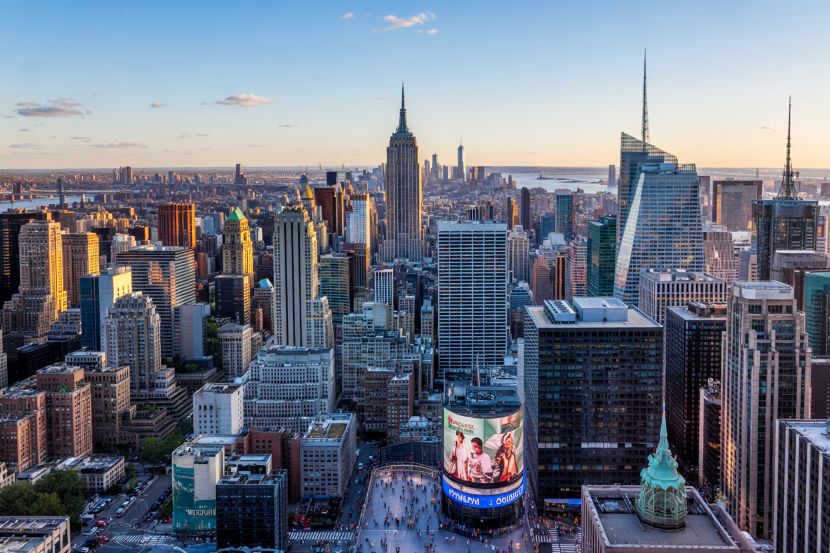
New York
New York is one of the top tourist destinations in the world. From the iconic Statue of Liberty to Times Square, the city is known for its hustle and bustle. However, high costs and safety concerns are keeping European tourists away.
Los Angeles
Los Angeles, home to Hollywood and Santa Monica, is another key destination that might feel the effects of fewer European visitors. With its wide range of entertainment options, Los Angeles usually sees a significant influx of European tourists, but this year, the numbers may be lower than expected.
Miami
Miami is known for its beautiful beaches and vibrant nightlife. However, with the rising costs of travel and political concerns, European tourists may choose to skip Miami this summer, opting for other destinations instead.
San Francisco
San Francisco is famous for the Golden Gate Bridge, Alcatraz Island, and its tech culture. But even this city may not see the same level of European tourists as it has in previous years due to the challenges discussed earlier.
How This Affects the World Cup
The World Cup 2026 is expected to draw a large number of international visitors, including football fans from all over the world. However, with fewer Europeans travelling to the U.S., the U.S. cities hosting World Cup matches could see lower-than-expected visitor numbers, especially from European countries.
The impact of this could be significant. The World Cup is not only a football tournament; it’s also a major tourism event that brings in a huge economic boost. European tourists typically spend more on travel, accommodation, and tourism activities, so their absence could mean a loss in potential revenue for U.S. cities.
Moreover, many European fans may choose to watch the World Cup from home or nearby countries rather than travelling across the Atlantic. With Mexico and Canada also hosting matches, many Europeans may prefer these countries due to their proximity, lower travel costs, and ease of access.
What This Means for the Future of U.S. Tourism
The decline in European tourists visiting the U.S. this summer raises several important questions about the future of U.S. tourism. As we look ahead to the World Cup 2026 and beyond, it’s clear that the U.S. government, tourism authorities, and businesses need to address the challenges that are causing Europeans to rethink their travel plans.
Economic Impact of Fewer European Tourists
Fewer Europeans visiting the U.S. could have a negative impact on the economy, particularly in cities that rely heavily on international tourism. In addition to the World Cup, these cities also host major events such as concerts, conventions, and business meetings, all of which attract Europeans. If this trend continues, the U.S. could lose out on billions of dollars in tourism revenue.
Changing Travel Patterns
The travel industry in the U.S. may need to adapt to changing travel patterns. With European tourists opting for closer, more affordable destinations, U.S. businesses could face a shift in their target audience. For example, businesses in the hospitality, transportation, and entertainment industries may need to focus more on attracting tourists from Asia, Latin America, and domestic U.S. travel.
European Countries Seeing Decline in U.S. Travel:
United Kingdom (UK):
As one of the largest source countries for U.S. tourism, the UK has historically seen a steady stream of visitors to cities like New York, Los Angeles, and Miami. However, with rising airfare prices and visa complexities, the UK has witnessed a noticeable reduction in travel to the U.S. for summer 2026. The impact of Brexit on travel regulations and rising costs have made it a less attractive destination for British tourists.
Germany:
Germany is another major source of European tourists to the U.S. However, German travelers are opting for closer destinations like Southern Europe and North America (particularly Canada and Mexico). The strong U.S. dollar and higher travel costs have dampened demand for traditional U.S. hotspots like New York and California. Many Germans also choose alternative long-haul destinations with lower costs, such as parts of Asia.
France:
France has long been a key contributor to U.S. tourism, especially to destinations like New York City and Los Angeles. However, French travelers are increasingly choosing to explore other European destinations, such as Spain, Italy, and Greece, due to the strong U.S. dollar and the rising cost of long-haul flights. Additionally, there are concerns about safety, stemming from political tensions and perceptions of social unrest in some U.S. cities.
Italy:
Italians are more likely to stay closer to home, with Spain, Portugal, and Eastern Europe emerging as popular choices. Factors like higher airfare, the strong U.S. dollar, and an increasing preference for cheaper destinations are all influencing the drop in tourism from Italy to the U.S.. Additionally, climate change and sustainability concerns are prompting more Italians to look for destinations that align with their eco-friendly values.
Spain:
Spain is another significant European market for U.S. tourism, especially for cities like Miami, New York, and Los Angeles. However, Spanish tourists are increasingly favoring European destinations with shorter flights and lower costs. Spain’s economic pressures, along with the ongoing rise in travel expenses, are pushing Spaniards to explore nearby options, such as Morocco, Turkey, and the Canary Islands.
Sweden and Norway:
Scandinavian countries, including Sweden and Norway, are seeing a decline in travel to the U.S., primarily due to high travel costs and stronger regional attractions. Swedes and Norwegians are more likely to explore local European destinations, such as Denmark, Iceland, and the Baltics, which are more affordable and offer a similar level of excitement without the financial strain. There is also a trend toward eco-tourism and sustainability, which aligns better with nearby destinations.
The Netherlands:
Dutch travelers have historically been frequent visitors to the U.S., particularly to cities like New York, Los Angeles, and San Francisco. However, with airfare costs climbing and U.S. visa restrictions becoming more complicated, Netherlands-based tourists are increasingly opting for destinations within Southern Europe, Asia, and even Latin America. Additionally, the lack of flight availability due to reduced airline routes further discourages Dutch tourism to the U.S.
Belgium:
Belgium has seen a reduction in U.S. travel due to high costs and a desire for closer destinations. European travelers from Belgium are exploring regional options like France, Germany, and the UK for cultural trips, while others are heading toward Latin American or Middle Eastern destinations, where the travel experience is less expensive.
Poland:
Poland has emerged as a growing source market for U.S. tourism in the past decade, but recent booking trends show that Polish travelers are now moving toward Eastern Europe and the Mediterranean. Factors such as rising airfares, U.S. visa barriers, and limited availability of affordable flights are all contributing to this shift. Many Polish tourists are increasingly interested in nearby destinations like Germany, Austria, and Greece, which offer similar cultural experiences without the higher travel costs.
Russia:
While Russia has been a smaller source of tourists to the U.S. in recent years, political tensions, visa restrictions, and airline sanctions (such as fewer direct flights to the U.S.) are disrupting travel patterns. Russians are opting to visit Turkey, the UAE, and China instead. Even before recent geopolitical developments, Russian tourism to the U.S. was already on the decline, primarily due to rising visa costs and concerns about anti-Russian sentiment in parts of the U.S.
Impact of the Decline in European Visitors:
This decline in visitors from these European countries could have a significant impact on U.S. tourism, especially in cities that rely heavily on European tourism for economic growth. Major cities like New York, Los Angeles, Miami, and San Francisco are all affected by this trend. These cities host a wide range of attractions, events, and cultural experiences that typically draw large numbers of European tourists, but the declining European presence could lead to lower-than-expected tourism numbers during the summer of 2026.
How This Could Affect the FIFA World Cup 2026:
The World Cup 2026 is expected to attract millions of tourists from all around the world, but fewer European visitors could result in a loss of revenue for U.S. cities hosting the event. The World Cup could still generate tourism spikes, but without European football fans flocking to the U.S., the economic impact may fall short of expectations.
Major U.S. host cities like New York, Los Angeles, and Miami might see lower-than-anticipated bookings for both flights and accommodation due to this European decline, affecting local businesses, tourist attractions, and the hospitality sector. The strong demand for World Cup tickets may not translate into the expected economic boom for U.S. cities, given that European fans are typically high-spending tourists.
The post Miami, New York, Los Angeles, San Francisco, Chicago and More Join in New US Tourism Crisis as Tourists from London, Paris, Berlin, Rome, and More European Countries Punishing American Travel Sector Hard Ahead of FIFA World Cup 2026 appeared first on Travel And Tour World.
Source: travelandtourworld.com



Sorry, the comment form is closed at this time.