


Michigan Joins Texas, Florida, New York, Arizona, California and Many Others in Experiencing a Sharp Decline in Inbound Travellers to the US due to Visa Restrictions, ESTA Regimes, Fees and More: All You Need to Know
Michigan Joins Texas, Florida, New York, Arizona, California and Many Others in Experiencing a Sharp Decline in Inbound Travellers to the US due to Visa Restrictions, ESTA Regimes, Fees and More: All You Need to Know
The recent tightening of U.S. travel policies has led to a sharp decline in inbound tourism, with states like Michigan, Texas, Florida, New York, Arizona, and California all experiencing significant drops in foreign visitors. These new policies, including changes to the Visa Waiver Program (VWP), higher ESTA fees, and the Visa Integrity Fee, have made U.S. travel more expensive and difficult to navigate. Key measures like requiring travelers from 42 countries to disclose five years of social media history and imposing stricter border security measures, including biometric data collection and electronic device searches, have created barriers for potential tourists, particularly those from Europe, Canada, and Asia. The resulting visa delays, higher costs, and perceptions of a less welcoming U.S. have caused a shift in travel patterns, with many international tourists opting for more accessible destinations. These changes have not only impacted tourism numbers but also resulted in substantial revenue losses for some states, particularly Florida, which stands to lose up to $800 million in tourism spending. The ripple effect of these policies is reshaping the landscape of U.S. tourism and its global competitiveness.
U.S. Travel Policies Fueling Tourism Decline: Key Changes and Data
Recent shifts in U.S. travel policies are causing a significant decline in inbound tourism. Key changes like the tightened Visa Waiver Program (VWP), which now requires travelers from 42 countries to disclose 5 years of social media history and additional personal info, have raised concerns. This move, deemed intrusive, particularly affects major markets in Europe and Asia. Coupled with a doubling of ESTA fees to $40, U.S. travel has become more expensive, discouraging many visitors, especially from price-sensitive regions.
Additionally, the new $250 “Visa Integrity Fee” for tourist and business visas is another financial barrier, directly impacting countries outside the VWP, including Afghanistan, Iran, and Nigeria. Stricter border security measures, including electronic device searches and biometric data collection, have made entry more daunting, turning potential tourists away. These policies have led to perceptions of the U.S. as less welcoming, driving tourists to opt for more accessible destinations.
New York: A Tourist Haven Struggles with Policy-Induced Decline
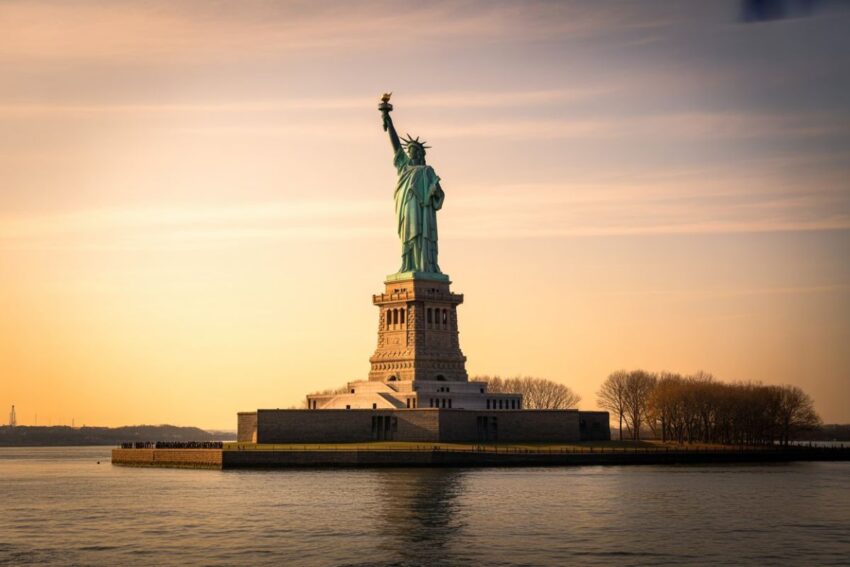
New York, one of the most iconic tourist destinations in the world, is grappling with a significant decline in international arrivals. As a global hub for culture, business, and entertainment, the state has traditionally been a top destination for visitors, drawing millions each year to landmarks like Times Square, the Statue of Liberty, and Central Park. However, the recent changes in U.S. visa policies, especially the mandatory social media history disclosures for travelers from 42 visa-exempt countries and the visa integrity fees for many foreign nationals, have created barriers for potential tourists. The further tightening of entry requirements has made it more difficult for international visitors to navigate the travel process, leading to frustrations and a decline in bookings.
According to early 2026 statistics, the drop in foreign arrivals to New York is significant, with data showing fewer tourists from Europe and Canada. EU countries, which have historically sent large numbers of tourists to the state, have seen a reduction in travel due to the stringent visa processing requirements and increased travel costs.
MetricValue/ImpactTourism Decline1.2% drop in international visitors in 2025Affected CountriesEurope, Canada, AsiaTourist Spend LossEstimated $800 million loss in tourism revenuePrimary Affected MarketsCanada, Germany, UK, France, JapanKey Travel BarriersSocial media history checks, visa application fees, increased vettingOther Notable ImpactsLower bookings for Broadway shows and hotel stays, reduced foot traffic in iconic landmarks
Texas: A Resilient State Faces New Tourism Challenges
Texas, a state known for its diverse culture, vast landscapes, and growing metropolitan areas, has also seen a drop in international tourism. Key cities like Dallas, Austin, and San Antonio draw visitors from around the world, particularly those interested in the state’s rich history, music scene, and natural beauty. However, recent changes in U.S. immigration policy have caused significant disruptions. The introduction of the Visa Integrity Fee, which applies to non-immigrant tourists and business visa applicants, has made Texas a more expensive destination for travelers.
In addition, increased scrutiny at the borders has led to delays and detentions, creating a perception of an unfriendly travel environment for international visitors. As a result, Texas has seen a noticeable drop in the number of visitors from countries like Canada and Mexico. While the state is still attracting travelers due to its unique cultural experiences and the South by Southwest (SXSW) festival, the overall impact of new visa restrictions has led to a decline in international foot traffic.
MetricValue/ImpactTourism Decline7.2% drop in foreign visitors in December 2025Affected CountriesCanada, Mexico, EuropeTourist Spend LossEstimated $500 million loss in tourism revenuePrimary Affected MarketsCanada, Mexico, UK, BrazilKey Travel BarriersVisa Integrity Fee, increased border securityOther Notable ImpactsReduced hotel stays, cancellation of events like SXSW
California: A Major Destination Sees Drops in Foreign Arrivals
California, home to famous cities like Los Angeles, San Francisco, and San Diego, has long been a top choice for international tourists. The Hollywood experience, beaches, and tech culture have attracted millions from around the world. However, recent visa restrictions, social media history requirements, and heightened border security have caused a sharp decline in arrivals. Many international tourists, especially from Canada — California’s largest international market — have chosen to visit other countries due to the increased costs and complexity of the visa process.
The state’s tourism, particularly around its iconic beaches and tech hubs, has been significantly impacted. In San Francisco, foreign visitors account for a large portion of retail and restaurant spending, and the decline in these visitors has led to noticeable economic losses for local businesses.
MetricValue/ImpactTourism Decline7.2% drop in foreign visitors in December 2025Affected CountriesCanada, Europe, AsiaTourist Spend LossEstimated $600 million loss in tourism revenuePrimary Affected MarketsCanada, UK, Japan, South KoreaKey Travel BarriersSocial media disclosures, visa processing delaysOther Notable ImpactsReduced retail sales, lower bookings for tech conferences
Florida: The Biggest Impact on Tourism
Florida has been hit hardest by the recent policy changes, with a notable downturn in international tourism. The state’s tourism industry has traditionally been bolstered by Canadian snowbirds, European tourists, and a strong theme park industry, including Walt Disney World and Universal Studios. However, since the implementation of new travel bans and the Visa Waiver Program tightening, Florida’s tourism figures have significantly dropped. The aggressive immigration enforcement within the state, especially around large events like the 2026 FIFA World Cup, has also caused a negative perception of Florida as a tourist destination.
Florida’s experience is a “bellwether” for national tourism trends, with some estimates showing that the state could lose between $600–$800 million in World Cup revenue alone due to reduced international visitor numbers.
MetricValue/ImpactTourism Decline1.2% drop in international visitors in 2025Affected CountriesCanada, Europe, Brazil, AsiaTourist Spend LossEstimated $800 million loss in tourism revenuePrimary Affected MarketsCanada, UK, Germany, BrazilKey Travel BarriersVisa Waiver Program changes, aggressive enforcementOther Notable ImpactsFIFA World Cup attendance forecasted to drop, reduced theme park visitors
Arizona: Struggling with the Snowbird Crisis
Arizona, particularly Phoenix and Tucson, has also experienced a sharp decline in international visitors, primarily due to the loss of Canadian snowbirds. The recent visa changes and stricter border security measures have led many Canadians to reconsider their long-term stays in Arizona. This has resulted in decreased bookings for seasonal rentals and a drop in tourism around Arizona’s desert landscapes, including Sedona and the Grand Canyon.
Arizona’s tourism sector, heavily reliant on winter visitors from Canada, is facing serious economic challenges as this snowbird market diminishes. Additionally, the rise in visa costs and processing delays has deterred potential visitors from other parts of the world, further exacerbating the situation.
MetricValue/ImpactTourism DeclineSignificant drop in Canadian visitors in 2025Affected CountriesCanada, Mexico, EuropeTourist Spend LossEstimated $200 million loss in tourism revenuePrimary Affected MarketsCanada, Mexico, GermanyKey Travel BarriersVisa delays, stricter border control measuresOther Notable ImpactsDeclining snowbird numbers, reduction in seasonal rentals
Tourism Decline and the Ripple Effect: U.S. Policies Hit Hard
These policies are already showing their impact, with U.S. destinations like New York, California, and Florida seeing notable declines in international arrivals. Early data from 2026 reveals a 1.2% drop in visitors to New York in 2025, with more losses expected in 2026. Florida’s tourism is forecast to lose up to $600 million in revenue, as events like the 2026 FIFA World Cup see fans opting for alternative host cities due to concerns over visa delays and aggressive enforcement.
California has seen a 7.2% decrease in international visitation, especially from Canada, its largest international market. In Arizona, where Canadian snowbirds are a major source of tourism, visa issues have led to cancellations, heavily affecting the state’s hospitality sector.
The psychological impact of these policies is also significant. Tourists now fear delays, invasive checks, and possible detention upon arrival, with many choosing other destinations that are more accessible and welcoming. The U.S., once the symbol of freedom and opportunity, now faces a tarnished image as an unfriendly and overly bureaucratic destination.
These tourism declines are not just affecting visitor numbers, but also local economies and job opportunities. As travellers flock to Europe, Latin America, and Asia, the U.S. risks losing its competitive edge in the global tourism market unless these policies are revisited.
Conclusion: The Ripple Effect of U.S. Travel Policies on Tourism
Michigan, along with states like Texas, Florida, New York, Arizona, and California, is experiencing a sharp decline in inbound travellers to the U.S. due to recent visa restrictions, tightened ESTA regimes, and rising fees. The Visa Waiver Program changes, including mandatory social media disclosures and the Visa Integrity Fee, have made travel more complicated and expensive, especially for visitors from major markets like Europe, Canada, and Asia. These policies have created a sense of unease and frustration, deterring many potential tourists who now feel that U.S. entry is too invasive and costly.
The psychological impact of stricter border security and visa processing delays has turned the U.S. from a welcoming destination into one that feels increasingly unfriendly and bureaucratic. As a result, international visitors are opting for more accessible, welcoming destinations around the world, causing significant revenue losses and economic disruption. Unless the U.S. revisits these policies, states like Michigan and others will continue to struggle with reduced tourism numbers and an increasingly unfavorable perception of the U.S. as a travel destination.
The post Michigan Joins Texas, Florida, New York, Arizona, California and Many Others in Experiencing a Sharp Decline in Inbound Travellers to the US due to Visa Restrictions, ESTA Regimes, Fees and More: All You Need to Know appeared first on Travel And Tour World.
Source: travelandtourworld.com



Sorry, the comment form is closed at this time.