


Middle East Conflict Disrupts Cruise Industry Cancellations, Passengers Left Stranded, and Urgent Travel Warnings for Gulf Countries: All You Need To Know
Middle East Conflict Disrupts Cruise Industry Cancellations, Passengers Left Stranded, and Urgent Travel Warnings for Gulf Countries: All You Need To Know
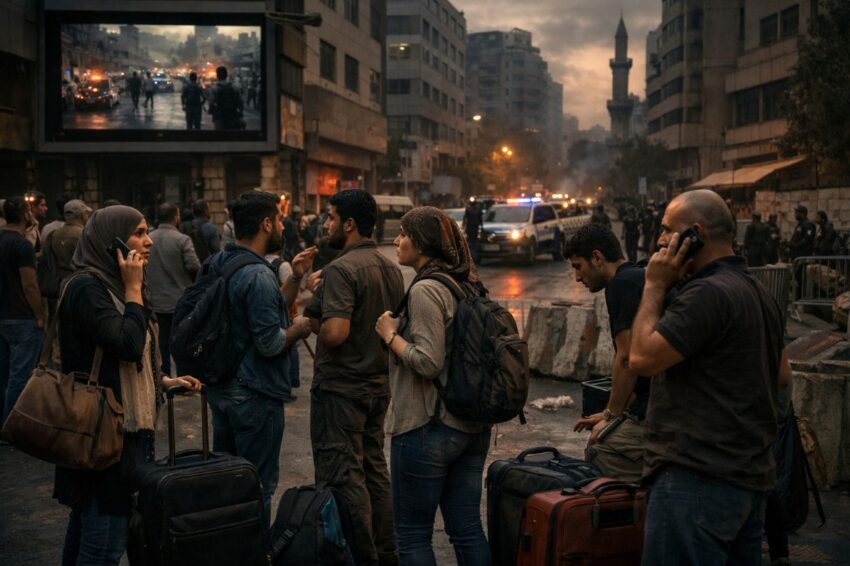
The ongoing Middle East conflict has caused significant disruption to the global cruise industry, with widespread cancellations and thousands of passengers left stranded. As the conflict between the United States, Israel, and Iran escalates, the Arabian Gulf and eastern Mediterranean regions have become unsafe for travel, prompting cruise lines to alter or completely cancel itineraries. The heightened security risks have resulted in airspace restrictions across several Gulf countries, further complicating travel plans. In response, both the UK’s Foreign, Commonwealth & Development Office (FCDO) and the US State Department have issued urgent travel warnings, advising against non-essential travel to countries like the UAE, Qatar, and Bahrain. This situation has left many passengers stranded at ports with limited options for onward travel, while governments urge their citizens to monitor evolving safety advisories. Here’s everything you need to know about how the Middle East conflict is shaking up the cruise industry and what it means for travellers.
How Escalating Middle East Conflict Is Disrupting Global Cruises
The rising military conflict involving the United States, Israel and Iran has rapidly spilled into the tourism sector, especially impacting cruise travel in the Arabian Gulf and eastern Mediterranean regions. Following US‑Israeli strikes on Iranian territory and Iran’s retaliatory responses, several cruise lines have altered or cancelled sailings as airspace and key maritime routes become unsafe or restricted for civilian travel. Government travel advisories from the UK’s Foreign, Commonwealth & Development Office (FCDO) and the US State Department underline heightened security concerns for travellers in the Gulf.
Cruise Lines Respond to Safety Threats with Route Changes and Cancellations
Since late February 2026, major operators such as MSC Cruises, TUI Cruises and Celestyal Cruises have confirmed adjustments to planned Middle East itineraries. Some sailings originating or terminating in ports like Dubai, Abu Dhabi and Doha were cancelled outright, while other voyages remain under review pending evolving safety assessments. Ships like MSC Euribia are holding position in port rather than proceeding through contested waters, and passengers on delayed vessels have been offered refunds or future cruise credits as companies prioritise guest safety amidst uncertainty.
Thousands of Passengers Are Stranded Amid Airspace Restrictions
The impact of the conflict on regional transport has extended far beyond cruise decks. Airspace over many Middle Eastern countries — including the UAE, Qatar, Kuwait and Bahrain — has been partially or fully closed, affecting commercial flights and the ability of passengers to return home from cruise departures. Thousands are reportedly unable to disembark or secure onward travel because daily flights and connecting services have been suspended or severely reduced by airlines reacting to military threats and government advisories.
Government Travel Advisories Escalate Across the Region
Official government guidance underscores the travel challenges. The UK government’s travel advice now recommends registration of British nationals in countries such as Bahrain, Israel, Kuwait, Qatar and the United Arab Emirates and strongly urges following local and FCDO guidance due to regional escalation. Meanwhile, the US State Department has issued a Worldwide Caution and urgent advisories to Americans in Middle Eastern countries to monitor embassy alerts, with some citizens advised to depart if commercial routes are still viable.
Safety Rights and Refund Options for Affected Cruise Passengers
Cruise passengers impacted by itinerary changes or cancellations now face questions about their passenger rights and entitlements. Under many travel regulations, customers whose sailings are cancelled by operators are eligible for refunds or alternative travel credits, particularly where disruptions are beyond control. However, travellers should also consider that many travel insurance policies do not cover acts of war or government travel warnings. In these cases, passengers are advised to communicate directly with cruise lines and travel providers to confirm their options.
Why the Conflict Has Such a Broad Impact on Cruise and Travel Sectors
The crisis is not limited to passenger movement. The Persian Gulf’s strategic position as a crossroads for global shipping and air travel means disruptions can reverberate through international markets, airline schedules and cruise itineraries that depend on safe, open airspace and ports. The partial closure of the Strait of Hormuz — a critical maritime corridor — has led multiple ship operators to suspend transits and reroute or postpone voyages due to elevated risks of missile and drone activity as well as war‑risk insurance losses.
What Travellers Should Do Now Before Planning Middle East Cruising
Travellers considering cruise holidays that involve the Middle East should first consult official government travel advice before confirming bookings. The UK Foreign Office advises against all but essential travel to countries like the UAE and warns that travel insurance may be invalid if travel occurs against official advice. Guests with bookings should proactively stay in contact with their cruise line and travel provider for real‑time updates on itinerary status and travel logistics.
Cruise Ports at Risk and Long‑Term Industry Consequences
Cruise ports such as Port Rashid in Dubai and other Gulf terminals remain operational but face uncertain schedules as airlines and maritime insurers reassess regional risk. Prolonged instability and travel bans not only affect cruise passengers but also contribute to broader tourism declines and financial challenges for local economies that depend on international visitors. These developments suggest extended ripple effects for global travel markets if hostilities persist.
Conclusion:
The ongoing Middle East conflict has significantly disrupted the cruise industry, leading to widespread cancellations and passengers being left stranded across the Gulf countries. As the situation in the region continues to escalate, the safety of both passengers and crew has become the top priority for cruise lines, forcing them to alter or cancel itineraries. Government travel warnings from the UK and US have intensified, urging travellers to avoid non essential travel to countries like the UAE, Qatar, Bahrain, and Kuwait due to the heightened security risks.
These developments underscore the severe impact of the conflict on global cruise operations, with airspace closures and travel restrictions further complicating the situation for stranded passengers. For those planning to visit the Gulf region, it’s crucial to stay updated with the latest government advisories and communicate directly with cruise lines regarding itinerary changes, cancellations, and available refund options. The long-term consequences of the crisis could lead to broader disruptions in global travel, affecting not only cruise passengers but also tourism-dependent economies in the region.
The post Middle East Conflict Disrupts Cruise Industry Cancellations, Passengers Left Stranded, and Urgent Travel Warnings for Gulf Countries: All You Need To Know appeared first on Travel And Tour World.
Source: travelandtourworld.com



Sorry, the comment form is closed at this time.