


Middle East Countries Hit by 295 Flight Cancellations and 262 Delays, Gulf Air, Saudia, Pegasus, and EgyptAir Struggle to Cope as Thousands of Passengers Face Disruption in Saudi Arabia, Bahrain, UAE, and Egypt – What You Need to Know About the Flight Impact
Middle East Countries Hit by 295 Flight Cancellations and 262 Delays, Gulf Air, Saudia, Pegasus, and EgyptAir Struggle to Cope as Thousands of Passengers Face Disruption in Saudi Arabia, Bahrain, UAE, and Egypt – What You Need to Know About the Flight Impact
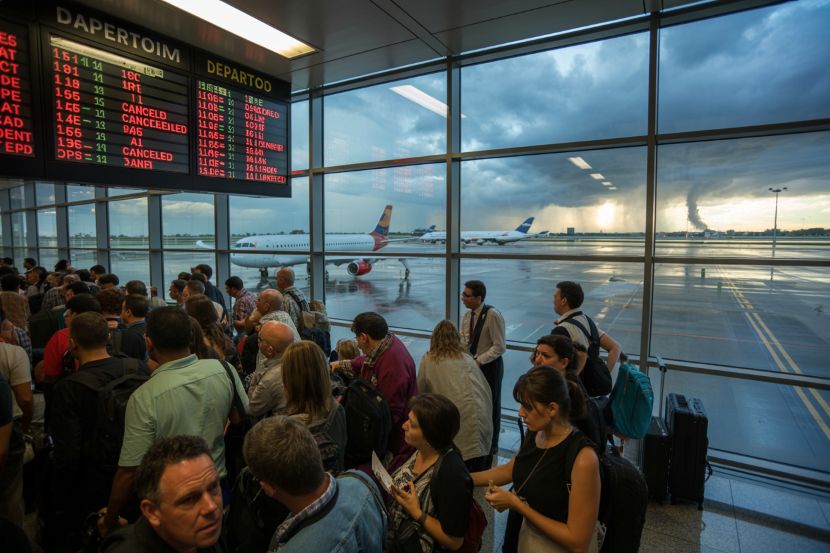
The Middle East is currently facing an unprecedented wave of travel disruptions, with 295 flight cancellations and 262 delays shaking the region’s aviation network. Gulf Air, Saudia, Pegasus, and EgyptAir are struggling to restore normal operations as thousands of passengers are left stranded across Saudi Arabia, Bahrain, the UAE, and Egypt. These disruptions, caused by unforeseen weather conditions, have affected key airports in these countries, forcing travelers to face uncertainty and frustration. With so many flights grounded or delayed, passengers are scrambling for alternatives, while airlines are overwhelmed by the sheer scale of the cancellations. For those traveling to or from the Middle East, understanding the impact on flights and how to navigate these disruptions is crucial. In this article, we break down what you need to know about the affected flights, airports, and the steps you can take to manage your travel plans during this chaotic period.
Let’s dive deeper into the specific impacts, affected airports, regions, and routes, as well as the broader effect on tourism.
The Affected Airlines: Gulf Air, Saudia, Pegasus, and EgyptAir
Gulf Air faced several flight cancellations, mainly affecting routes between Bahrain, Saudi Arabia, and the UAE. A series of cancelled flights from King Abdulaziz International Airport (JED), Dubai International (DXB), and Hamad International (DOH) left passengers stranded. The weather conditions, possibly a combination of fog and thunderstorms, led to multiple disruptions in the Gulf region. Gulf Air had to cancel over 20 flights, most of them between 4:20 PM and 10:00 PM, due to poor visibility and safety concerns related to bad weather conditions.
Saudia, operating from Saudi Arabia, also found itself severely impacted, with over 25 flights cancelled between Riyadh, Jeddah, Bahrain, Dubai, and Kuwait. Passengers booked on flights from King Abdulaziz International Airport (JED), King Fahd International Airport (DMM), and Dubai International (DXB) were left to make alternate travel arrangements.
Pegasus Airlines too found itself in the eye of the storm, with a high volume of cancellations between Istanbul and destinations across the Middle East. Affected airports included Istanbul Sabiha Gokcen Airport (SAW), Sharjah International Airport (SHJ), and Hurghada Airport (HRG), with flight cancellations numbering over 30.
Lastly, EgyptAir, with its domestic and international routes, was no stranger to the extreme weather that swept through the Middle East. Over 15 of its flights were grounded, with many coming from Cairo International Airport (CAI), impacting routes to destinations such as Beirut, Kuwait, Amman, and Bahrain.
Key Affected Airports
The following airports saw the most disruptions across all airlines involved:
Gulf Air:
King Abdulaziz International Airport (JED): The hub for Gulf Air’s Saudi Arabia operations, with flights to Bahrain, Dubai, and Abu Dhabi being heavily affected.
Dubai International Airport (DXB): A major international travel hub for passengers affected by Gulf Air’s cancellation of flights to Bahrain and Saudi Arabia.
Hamad International Airport (DOH): Another key airport for Gulf Air’s operations, impacted by cancellations to Bahrain.
Saudia:
King Abdulaziz International Airport (JED): A major hub for Saudia, facing the brunt of cancellations due to severe weather in the region.
King Fahd International Airport (DMM): A secondary hub for Saudia, with disrupted services between Riyadh, Jeddah, and Bahrain.
Dubai International Airport (DXB): As with Gulf Air, flights between Saudi Arabia and Dubai were delayed or cancelled, stranding many passengers.
Kuwait International Airport (KWI): Affected by Saudia’s cancelled flights between Kuwait and Cairo, leading to further delays in travel.
Pegasus Airlines:
Istanbul Sabiha Gokcen Airport (SAW): The primary base of operations for Pegasus Airlines, heavily impacted by cancellations to destinations like Dubai, Beirut, and Sharjah.
Sharjah International Airport (SHJ): Pegasus flights to and from Istanbul were also cancelled, severely affecting the airport’s operations.
Hurghada Airport (HRG): Pegasus flights to Egypt were disrupted, making the Egyptian vacation destination much less accessible to international tourists.
EgyptAir:
Cairo International Airport (CAI): The primary hub for EgyptAir’s international and domestic flights, with cancellations to destinations like Beirut, Kuwait, and Bahrain.
Beirut Airport (BEY): Cancellations from Cairo to Beirut affected many passengers, including tourists heading to Lebanon’s capital.
Amman (AMM): EgyptAir flights to and from Amman were cancelled, impacting both regional travelers and tourists flying to Jordan.
Kuwait International Airport (KWI): EgyptAir flights to Kuwait were severely impacted due to bad weather conditions.
Key Affected Regions
Each airline’s cancellations have disrupted not only the airline’s passengers but also entire regions. The affected areas include:
Gulf Air:
Bahrain: Passengers traveling to and from Bahrain were particularly impacted, as several key routes were canceled, stranding passengers at Bahrain International Airport.
Saudi Arabia: Both Jeddah and Riyadh faced significant disruptions, with many Saudi nationals and tourists left without alternative travel arrangements.
UAE: Dubai faced several flight cancellations affecting business and leisure travel, resulting in delays and inconvenience for international travelers.
Saudia:
Saudi Arabia: Major cities such as Riyadh, Jeddah, and Dammam saw multiple cancellations, especially impacting those attending events or traveling for business.
Dubai: As a major regional hub, many travelers flying to or from Dubai were affected by cancellations in Saudia’s flight schedule.
Bahrain: Flights between Jeddah and Bahrain were also heavily impacted, causing significant disruptions in this busy travel corridor.
Pegasus Airlines:
Turkey: Flights between Istanbul and multiple Middle Eastern destinations were severely impacted, affecting both Turkish nationals and international travelers connecting through Istanbul Sabiha Gokcen.
UAE: Sharjah and Dubai saw considerable flight disruptions as a result of cancellations between Turkey and the UAE.
Egypt: Pegasus flights to Egypt from Istanbul were impacted, disrupting leisure travel to popular tourist destinations like Hurghada.
EgyptAir:
Egypt: Cairo International Airport was one of the worst-hit locations, with flights from Cairo to key destinations like Beirut and Kuwait canceled.
Lebanon: Beirut’s airport was severely impacted by the cancellations from Cairo, causing major issues for those traveling to Lebanon.
Jordan: The route between Cairo and Amman was particularly affected, leaving passengers with few options for onward travel.
Kuwait: EgyptAir flights between Cairo and Kuwait were canceled, stranding passengers who were en route for business or leisure.
Affected Routes and Cities
Gulf Air:
Jeddah to Bahrain: Numerous cancellations affected passengers traveling to and from Bahrain, one of the airline’s key routes.
Dubai to Bahrain: The flight between Dubai and Bahrain was disrupted multiple times due to bad weather.
Riyadh to Bahrain: Another heavily affected route, with several cancellations leading to travel uncertainty for passengers heading between Saudi Arabia and Bahrain.
Dubai to Riyadh: Business and leisure travelers between Dubai and Riyadh were significantly impacted by cancellations.
Saudia:
Jeddah to Dubai: A high-traffic route, heavily affected by cancellations, with many passengers left stranded in both airports.
Riyadh to Bahrain: Saudia’s Riyadh-Bahrain route was among the most impacted, affecting both local business travelers and international tourists.
Dammam to Dubai: Cancellations in this route caused a ripple effect on connecting flights, impacting travel between the UAE and Saudi Arabia.
Jeddah to Kuwait: The route between Jeddah and Kuwait saw cancellations, causing disruption to many regional travelers.
Pegasus Airlines:
Istanbul to Dubai: Cancellations affected both leisure and business travelers, as Dubai is a key international hub for tourists visiting the Middle East.
Istanbul to Sharjah: The route between Istanbul and Sharjah was disrupted, causing headaches for passengers traveling on connecting flights.
Istanbul to Hurghada: Pegasus flights between Turkey and Egypt were canceled, impacting holiday travel to the Red Sea resorts.
Istanbul to Beirut: Another popular route that suffered cancellations, affecting travelers heading to Lebanon.
EgyptAir:
Cairo to Beirut: Flights to Lebanon were disrupted, leaving many Lebanese expatriates and business travelers stranded.
Cairo to Kuwait: The Cairo-Kuwait route saw multiple cancellations, stranding many travelers in Cairo.
Cairo to Amman: The Amman-Cairo route was impacted, making it difficult for passengers traveling between Egypt and Jordan.
Cairo to Bahrain: Another key route heavily impacted by cancellations, with delays affecting international travelers.
Passenger Dilemma: Navigating the Aftermath of Mass Flight Cancellations
The impact of these cancellations on passengers is far-reaching, with many feeling stranded in airports, unable to secure timely flights or alternative routes. For those on connecting flights, the situation became particularly challenging. The absence of clear communication from the airlines left passengers scrambling to rebook, often with no immediate options available. This uncertainty created a chaotic environment, where travelers, in some cases, were forced to extend their stays at airports or book last-minute hotel accommodations due to the lack of available flights.
What should passengers do in such scenarios? Here are some tips for navigating these disruptions:
Stay Updated and Be Proactive: Always check your airline’s app or website for real-time updates regarding your flight status. If your flight is cancelled, reach out to customer service immediately to get information on the next available flight.
Know Your Rights: Passengers are often entitled to compensation or accommodation when their flights are cancelled. Familiarize yourself with your airline’s policy regarding cancellations, reimbursements, and alternative arrangements to ensure you’re not left in the lurch.
Plan for Contingencies: When booking flights, try to leave a buffer between connecting flights, particularly when traveling through major hubs like Dubai or Cairo, where weather disruptions are more common.
Be Prepared for Delays: Travel insurance can provide peace of mind in such situations, covering accommodation, meals, and other unexpected expenses.
While these cancellations have caused significant inconvenience, knowing how to handle the situation can help reduce stress and allow passengers to make the most of an otherwise frustrating experience.
The Ripple Effect: How Tourism Faces a Major Setback
Beyond the impact on individual passengers, these flight cancellations are creating a much broader ripple effect in local tourism industries. Key international destinations, such as Dubai, Bahrain, and Cairo, are all experiencing the adverse effects of disrupted flights, particularly in the peak tourist season. These hubs rely heavily on international traffic, with Dubai and Bahrain serving as key transit points for travelers heading to other destinations in the region.
As travelers scramble to rearrange plans, the local economy suffers. Hotels, restaurants, and tour operators in affected regions are facing declining foot traffic, while the tourism infrastructure, which had been gearing up for a busy period, finds itself underutilized. Tourists who had planned to visit Egypt’s cultural landmarks or experience the opulence of Dubai’s shopping malls are left without access to their originally planned destinations.
So, what should affected tourists do to minimize disruption to their travel plans?
Consider Alternative Destinations: For those whose plans have been completely derailed, consider visiting lesser-known attractions in the same region. Dubai, for example, offers a range of indoor attractions such as the Dubai Mall or the Burj Khalifa’s observation deck, which are unaffected by weather conditions.
Contact Hotels and Tour Operators for Flexible Policies: Hotels and tour operators are often willing to accommodate rescheduled bookings or offer flexibility in their policies when disruptions are caused by weather. Reach out early to ensure that your accommodation and tour plans can be altered without penalty.
Explore Off-Peak Attractions: If your main tourist plans are unavailable, explore off-peak destinations and attractions. In Cairo, for instance, sites such as the Egyptian Museum or the Citadel may offer less crowded alternatives to the iconic pyramids.
Embrace Local Culture: Use the downtime to explore the local culture more deeply. Instead of resorting to frustration, take this opportunity to immerse yourself in the region’s rich history, cuisine, and local life, which may not be as affected by weather-related disruptions.
Bouncing Back: How the Travel Industry Can Emerge Stronger from Disruptions
While it’s impossible to eliminate the effects of weather entirely, the tourism and aviation industries can adapt to future disruptions by implementing more robust contingency measures. Airlines will continue to improve their communication strategies, ensuring that passengers are informed of cancellations or delays as soon as possible. More transparency and improved customer service will play a crucial role in managing future disruptions.
Additionally, airlines can further enhance their scheduling flexibility to minimize the ripple effect caused by cancellations. Improved coordination between airports, airlines, and local authorities will help manage both the immediate impacts and longer-term consequences of weather-related disruptions.
For travelers, the key takeaway is to remain flexible and proactive. Although these cancellations have proven frustrating, they also present an opportunity for the industry to innovate and offer better service, ultimately improving the overall experience. In the face of adversity, the travel and tourism industries can recover and come back stronger, with better systems in place to prevent or at least minimize future disruptions.
As the industry rebuilds, travelers are encouraged to take a positive perspective on their journeys. Whether it’s discovering hidden gems in a new city or embracing the spontaneity of an unexpected detour, there are always opportunities to make the most of travel. By adapting to new circumstances, both passengers and airlines can navigate future disruptions more smoothly, ensuring that the impact of such events is minimized.
With better communication, more resilient infrastructure, and a willingness to adapt, the travel industry will continue to be a key driver of global connectivity, even in the face of extreme weather or unforeseen disruptions. In the end, the industry’s ability to adapt and bounce back will not only provide passengers with smoother experiences but also pave the way for a more reliable and sustainable future in aviation and tourism.
The post Middle East Countries Hit by 295 Flight Cancellations and 262 Delays, Gulf Air, Saudia, Pegasus, and EgyptAir Struggle to Cope as Thousands of Passengers Face Disruption in Saudi Arabia, Bahrain, UAE, and Egypt – What You Need to Know About the Flight Impact appeared first on Travel And Tour World.
Source: travelandtourworld.com


Sorry, the comment form is closed at this time.