


Middle East, UAE, Qatar: UK Airlines Suspend Flights Amid Escalating Conflict in the Gulf – How to Manage Disruptions
Middle East, UAE, Qatar: UK Airlines Suspend Flights Amid Escalating Conflict in the Gulf – How to Manage Disruptions
The escalating conflict in the Middle East has led to severe disruptions in air travel, with UK flights to and from the region suspended for several days. Major airports in Dubai, Abu Dhabi, and Doha are now facing closures, leading to the grounding of hundreds of flights and leaving thousands of travelers stranded. The disruption comes in the wake of US-Israeli airstrikes on Iran and retaliatory missile strikes on neighboring Gulf states.
The UK Foreign Office has issued updated travel advice for British nationals in Bahrain, Israel, Palestine, Qatar, and the UAE, urging them to register their location and stay in close contact with the government for updates. The ongoing airspace closures have led to flight cancellations from some of the world’s busiest airports, impacting both business and tourist travelers across the globe.
Flight Cancellations and Airport Closures Impact Global Travel
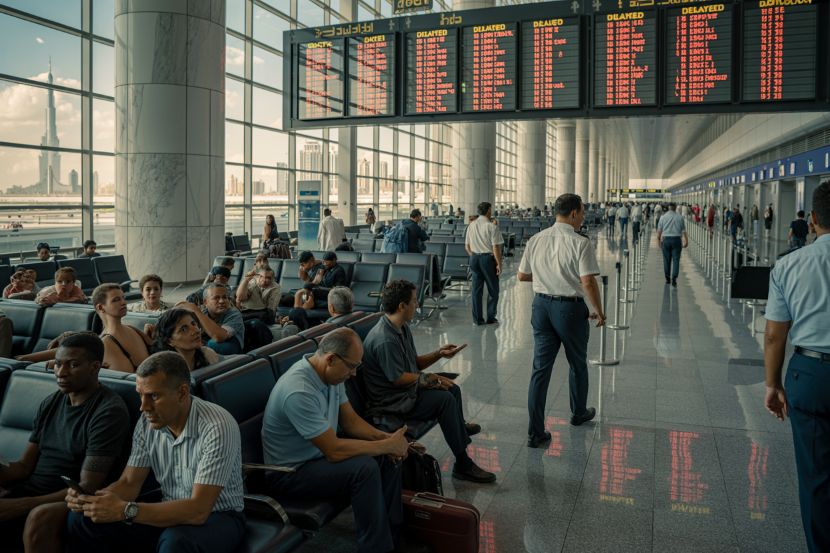
On Monday, UK flights to Dubai, Doha, and Abu Dhabi were grounded due to the conflict in Iran. Emirates, Qatar Airways, and Etihad Airways, which are based in the region, have suspended operations until at least Monday, March 2. These airlines serve as crucial connectors between Europe and Asia, and the cancellation of their services has created a travel nightmare for hundreds of thousands of passengers. The Global Aviation Network has reported that 3,400 flights have already been canceled, with more expected in the coming days.
Dubai International Airport, the world’s busiest international hub, is at the epicenter of this crisis. With airspace closures over Iran, Iraq, Kuwait, and Qatar, many airlines have been forced to reroute flights, resulting in longer travel times and additional expenses for travelers. This disruption has impacted not only tourists but also business travelers, whose schedules are being derailed by the uncertainty surrounding air travel.
What This Means for Business and Leisure Travelers
For business travelers, the Middle East has long been a vital link for connecting Europe and Asia, and these disruptions have had a significant impact on trade, business meetings, and conferences in cities like Dubai and Doha. As flights continue to be canceled, corporate executives and professionals are struggling to reschedule their meetings or travel plans.
For tourists, especially those who had planned vacations in Dubai or Qatar, this crisis presents a major hurdle. With flights canceled and airports closed, many travelers are now stranded in their destinations or unable to return home. Leisure travelers have been hit hard by this travel chaos, especially with spring break and Easter holidays approaching, when demand for flights is typically high.
As passengers remain stuck at airports, many are facing uncertainty about when their flights will resume, adding to the anxiety of delayed holidays and missed connections.
Foreign Office Advice for UK Nationals: Stay Safe and Stay Updated
The UK Foreign Office (FCDO) has issued new guidelines to British nationals traveling or living in the region. The FCDO advises that anyone in Bahrain, Israel, Qatar, UAE, or Palestine register their presence with the government to receive timely updates and evacuation information. The FCDO has emphasized that all British nationals should stay indoors and follow local authorities’ instructions, especially in areas affected by missile strikes or heavy air traffic.
The FCDO’s updated advice stresses that the heightened risk of regional tensions could lead to more flight cancellations and travel disruptions. UK travelers are urged to avoid non-essential travel and monitor the latest guidance on the official government website. The FCDO is providing real-time updates through its travel advisories and through email alerts for those registered.
What Travelers Can Do: Quick Tips for Managing the Disruption
For those stranded or delayed due to the Middle East flight crisis, here are some steps to mitigate the impact:
Stay Updated on Flight Status: Regularly check the airline’s website or FlightAware for updates on the status of your flight. Reschedule if needed through your airline’s customer service.
Register with the FCDO: Ensure you’re registered with the UK Foreign Office so you can receive updates and evacuation assistance if necessary.
Monitor Local News: Stay informed by monitoring local news and social media for updates on any security issues or airport status changes.
Consider Alternative Routes: If you need to travel urgently, consider nearby airports such as Saudi Arabia or Jordan where airspace remains open. You may also be able to book flights through neighboring airports with operational air routes.
Prepare for Extended Stays: If you’re unable to fly out immediately, consider making arrangements for accommodation. The UAE government has stated that it will cover the costs of hotel stays for stranded travelers.
Be Flexible with Travel Plans: The situation is fluid, so try to stay flexible with your travel dates. You may have to alter your plans depending on how the conflict evolves.
Key Points for Affected Travelers:
Flight Cancellations: Over 3,400 flights have been canceled across key Middle Eastern hubs, including Dubai, Doha, and Abu Dhabi.
Foreign Office Registration: The FCDO has urged British nationals to register their details and follow local guidelines.
Heightened Security: Airspace remains closed or restricted over Iran, Iraq, Israel, Qatar, and UAE, causing disruptions in international travel.
Business and Leisure Impact: Both business travelers and tourists face significant delays or rerouting as airlines and airports adjust to the crisis.
Alternative Routes: Consider Saudi Arabia or Jordan as alternative travel options if you’re stranded or need to continue your journey.
Conclusion: Navigating the Travel Crisis in the Middle East
The ongoing Middle East conflict has led to the most severe disruption to air travel in the region in recent years. With flight cancellations, airspace closures, and uncertain schedules, UK nationals and international travelers face significant challenges. While the UK Foreign Office works to assist its citizens with evacuation plans and alternative routes, staying informed, flexible, and prepared will be crucial for navigating this crisis. As the situation continues to unfold, travelers should remain vigilant, follow FCDO travel advice, and be ready for ongoing disruptions in the coming days.
The post Middle East, UAE, Qatar: UK Airlines Suspend Flights Amid Escalating Conflict in the Gulf – How to Manage Disruptions appeared first on Travel And Tour World.
Source: travelandtourworld.com



Sorry, the comment form is closed at this time.