


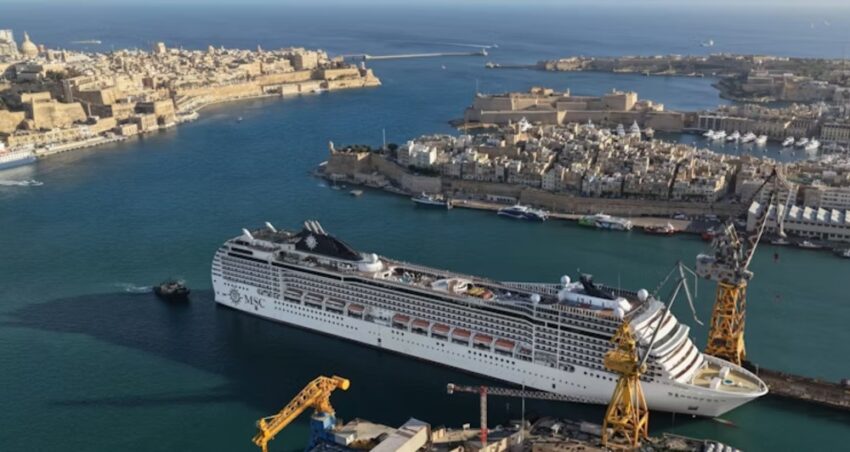
MSC Cruises Organizes Flights for More than Fifteen Hundred MSC Euribia Guests in Dubai, Showcasing its Resilience and Growth in the Global Cruise Tourism
MSC Cruises Organizes Flights for More than Fifteen Hundred MSC Euribia Guests in Dubai, Showcasing its Resilience and Growth in the Global Cruise Tourism
In a remarkable display of operational prowess, MSC Cruises has managed to repatriate over 1,500 passengers from the MSC Euribia cruise ship in Dubai. The critical operation to ensure the safe return of passengers involves seven flights, which have already left the region. The flights include a combination of charter flights, seats booked through partnerships with airlines such as Emirates and Fly Dubai, and government-assisted flights.
The complexity of the operation to return passengers home safely through the organization of the flights at the expense of MSC Cruises is a testament to the company’s commitment to the return of passengers despite the challenges involved. This remarkable operation not only showcases the strength of MSC Cruises but also the importance of cruise tourism to the wider travel and hospitality industry.
Cruise Tourism’s Role in Facilitating Safe Repatriation
The ongoing repatriation effort serves as a prime example of the growing influence of cruise tourism in facilitating global movement during crises. With the ability to mobilize large groups of travelers from remote locations to multiple international destinations, cruise lines like MSC Cruises play a vital role in the broader tourism ecosystem, particularly when it comes to organizing and managing emergency logistics.
MSC Cruises’ partnership with Emirates and Fly Dubai has not only ensured the safe transport of passengers but also exemplifies how airline and cruise sectors can collaborate in the face of unexpected challenges. By providing charter services and securing seats on commercial flights, the cruise line has demonstrated the synergy between cruise tourism and the broader transportation sector—a crucial component for seamless global tourism recovery in challenging times.
MSC Cruises’ Efficient Coordination Highlights the Importance of Cruise Tourism Infrastructure
The repatriation effort also brings attention to the importance of efficient cruise tourism infrastructure. MSC Euribia, a modern vessel with a strong onboard management team, has played a key role in ensuring guest comfort and access to onboard services during the repatriation process. Despite the complex logistics involved, the calm onboard operations and continuous guest support reflect the high standards of care expected in the luxury cruise industry.
This ability to manage such operations effectively showcases the adaptability of cruise tourism infrastructure, which is designed not only for leisure and exploration but also for handling crisis situations. The robust systems in place on ships like MSC Euribia serve as a critical component of global tourism resilience, particularly in times when airlines and ground transport systems might be overwhelmed or unable to provide necessary support.
The Growing Importance of Cruise Tourism in Repatriation and Crisis Management
MSC Cruises’ coordinated efforts in repatriating 1,500 guests reflect a growing recognition of the impact of cruise tourism in global logistics and tourism management. Cruise lines are increasingly seen as part of the broader tourism infrastructure that can support emergency repatriation efforts, especially in regions where air travel might not be immediately available or efficient.
This operation not only highlights the importance of cruise tourism in crisis management but also sheds light on the industry’s potential to adapt and provide solutions during unexpected events. In an era where tourism is becoming more complex and interconnected, cruise tourism’s role extends far beyond leisure cruising, positioning the sector as a key player in global travel logistics and tourism recovery.
Continued Support and Repatriation Efforts Reinforce MSC Cruises’ Commitment to Guest Safety
As MSC Cruises continues to coordinate flights and repatriate the remaining guests, the company’s efforts reflect its commitment to guest safety and well-being. The support from airline partners and governments demonstrates the crucial role of international partnerships in cruise tourism, where seamless collaboration ensures that travelers can rely on cruise lines for safety even in the face of unexpected challenges.
This ongoing operation is a reminder of how the cruise tourism industry has a far-reaching impact on global travel logistics, and how the industry has the capacity to adjust and provide critical support during unforeseen situations. As cruise tourism continues to grow, the sector’s capacity to handle complex operations like repatriation will undoubtedly play a larger role in ensuring that tourism remains resilient and adaptable in an increasingly uncertain world.
The Broader Impact of Cruise Tourism: Strengthening Industry Resilience
The current repatriation effort not only highlights the resilience of MSC Cruises but also the broader impact of cruise tourism on global travel and tourism infrastructure. This crisis management operation showcases how the cruise industry can contribute to global tourism resilience by offering logistical solutions during crises, providing guests with safe travel options, and ensuring seamless international coordination.
As cruise tourism continues to grow, it will increasingly be seen as a vital part of the tourism recovery framework, with cruise lines like MSC Cruises leading the way in terms of crisis response and guest care. The multi-modal transport solutions offered by the industry—spanning sea, air, and land—highlight the cruise sector’s potential to play an even larger role in global tourism logistics.
Moving Forward: MSC Cruises and the Future of Cruise Tourism
The repatriation operation by MSC Cruises is also a strong example of the importance of cruise tourism in global logistics and crisis management. As the cruise tourism industry continues to move forward, it will be important for cruise lines to continue building on their ability for quick response and adaptability. As such, MSC Cruises and other major cruise lines will continue to make their mark on the future of luxury cruise tourism while helping the world recover and continue the growth of cruise tourism around the globe.
Image Source: MSC Cruises
The post MSC Cruises Organizes Flights for More than Fifteen Hundred MSC Euribia Guests in Dubai, Showcasing its Resilience and Growth in the Global Cruise Tourism appeared first on Travel And Tour World.
Source: travelandtourworld.com


Sorry, the comment form is closed at this time.