


Mumbai Airport Faces Complete Travel Chaos as 57 Flights Are Canceled, Including Popular International Routes to London, New York, Paris, and More, Amid Growing Tensions in the Middle East and Airspace Security Concerns, Leaving Thousands of Passengers Hopeless and Struggling to Find Alternatives
Mumbai Airport Faces Complete Travel Chaos as 57 Flights Are Canceled, Including Popular International Routes to London, New York, Paris, and More, Amid Growing Tensions in the Middle East and Airspace Security Concerns, Leaving Thousands of Passengers Hopeless and Struggling to Find Alternatives
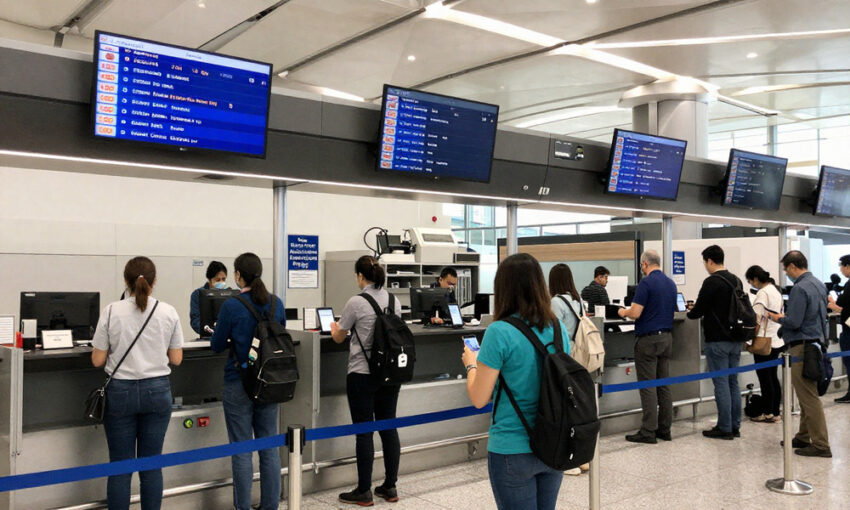
Mumbai Airport has been thrown into chaos as 57 flights, including major international routes to London, New York, and Paris, were canceled due to escalating tensions in the Middle East. The ongoing Iran-Israel conflict has led to growing concerns over airspace security, forcing airlines to cancel and reroute flights to avoid risky zones. This sudden disruption has left thousands of passengers stranded, struggling to find alternative routes or rebook flights, with the situation exacerbated by heightened security measures and the closure of key airspaces.
As of 5:45 PM on Saturday, Mumbai airport experienced a significant disruption, with fifty-seven flights cancelled, including 24 arrivals and 33 departures. This disruption was caused by escalating tensions in the Middle East, particularly the ongoing Iran-Israel conflict, which has heightened security risks across the Gulf region. Among the cancelled flights was a key international service, the Mumbai–London flight, operated by one of India’s largest low-cost carriers. The situation at the airport worsened as the day progressed, underlining the growing challenges travelers faced due to the increasing geopolitical instability, with the Iran-Israel tensions amplifying concerns about flight safety and airspace security.
By 9:00 PM on Saturday evening, Mumbai airport issued an official notice to airlines and pilots, alerting them that there would be no parking spaces available for diverted aircraft. The notice further stated that no diversions would be accepted until 8:00 AM on Sunday. This announcement left many flights stranded, exacerbating the frustration for passengers and complicating operational logistics for airlines. The parking issue at the airport was attributed to the surge in flight cancellations and the unavailability of resources to accommodate diverted aircraft due to the region’s escalating tensions.
As the situation continued to unfold, national carrier Air India took immediate action, announcing the cancellation of several long-haul international flights that were scheduled for March 1. The cancellations included flights from major Indian cities, including Delhi, Mumbai, and Amritsar, to destinations such as London (both Heathrow and Gatwick), New York (JFK), Newark, Chicago (via Vienna), Toronto (via Vienna), Frankfurt, and Paris. The airline cited safety concerns as the primary reason for the cancellations, following urgent advisories from international aviation authorities about the worsening situation in the Middle East. This move affected hundreds of passengers, leaving many scrambling to rearrange their travel plans.
In light of the flight cancellations, Air India assured its customers that it was proactively notifying all affected passengers and offering alternative travel arrangements. These arrangements included the option to reschedule their flights or take alternative routes, where possible, to minimize the disruption to their travel plans. The airline also emphasized its commitment to passenger safety, reassuring travelers that the decisions were made in line with the latest safety advisories from the Directorate General of Civil Aviation (DGCA), which regulates aviation safety in India.
Meanwhile, Akasa Air, another prominent airline, also responded to the growing tensions by suspending all flights to and from key destinations in the Middle East and Gulf regions, including Abu Dhabi, Doha, Jeddah, Kuwait, and Riyadh. The airline announced that this suspension would remain in place until March 2, 2026, due to the security concerns in the affected areas. For passengers with bookings to or from these cities until March 7, Akasa offered full refunds or the option to reschedule their flights without incurring any additional charges. This gesture by Akasa was seen as a proactive measure to protect its passengers and minimize any inconvenience caused by the uncertainty surrounding the Middle Eastern airspace.
Air India Express, the low-cost subsidiary of Air India, also extended the suspension of its westbound international flights until 11:59 PM on March 1, 2026. This extension added to the already extensive list of cancellations and suspensions in the region. A spokesperson from Air India Express confirmed the move, stating that it was a necessary step to ensure the safety of passengers and comply with the airspace restrictions imposed due to the escalating tensions.
The situation further led to a sharp rise in airfares for flights scheduled for March 1. After the airspace closures and the suspension of flights, ticket prices for destinations such as London and several Middle Eastern cities surged dramatically. On Saturday afternoon, the price for a one-way direct flight to London reached as high as Rs 1.40 lakh, which was a stark increase compared to the usual fares. This surge in prices was largely attributed to the limited availability of flights and the disruption in travel plans for thousands of passengers who had to find alternative routes.
The Directorate General of Civil Aviation (DGCA) played a pivotal role in responding to the crisis, issuing an urgent advisory that warned of a significant escalation in security risks in the Middle Eastern and Persian Gulf airspace. The DGCA strongly advised Indian operators to avoid flying through the affected airspace at all altitudes. The advisory also emphasized the need for airlines to remain vigilant and adhere to the latest safety protocols to ensure the protection of passengers and crew members. This guidance from the DGCA underscored the seriousness of the situation and highlighted the safety challenges faced by airlines flying in or near the conflict zones.
As a result of the airspace closures and security concerns, the aviation industry saw a ripple effect, with numerous flights being rerouted, delayed, or cancelled altogether. Travelers faced significant challenges, especially those with long-haul international flights, as the disruption affected not only flights to and from India but also routes connecting other parts of the world, including Europe, North America, and the Middle East.
In addition to the operational challenges, airlines have been under increasing pressure to address the concerns of passengers who have been affected by the cancellations and delays. Many passengers have expressed frustration over the lack of timely communication and the difficulty in securing alternative travel options during this period of uncertainty. While airlines like Air India and Akasa Air have made efforts to accommodate affected passengers, the disruption continues to cause ripple effects across the global aviation network.
The ongoing tensions in the Middle East and Gulf region have led to widespread disruptions in air travel, particularly affecting flights to and from India. With the closure of airspace and heightened security risks, airlines are facing mounting challenges in maintaining normal operations. Passengers are advised to stay updated on the status of their flights and remain flexible with their travel plans, as the situation remains fluid. The rising airfares and ongoing cancellations underscore the significant impact that geopolitical tensions can have on global aviation and the travel plans of thousands of people.
The post Mumbai Airport Faces Complete Travel Chaos as 57 Flights Are Canceled, Including Popular International Routes to London, New York, Paris, and More, Amid Growing Tensions in the Middle East and Airspace Security Concerns, Leaving Thousands of Passengers Hopeless and Struggling to Find Alternatives appeared first on Travel And Tour World.
Source: travelandtourworld.com


Sorry, the comment form is closed at this time.