


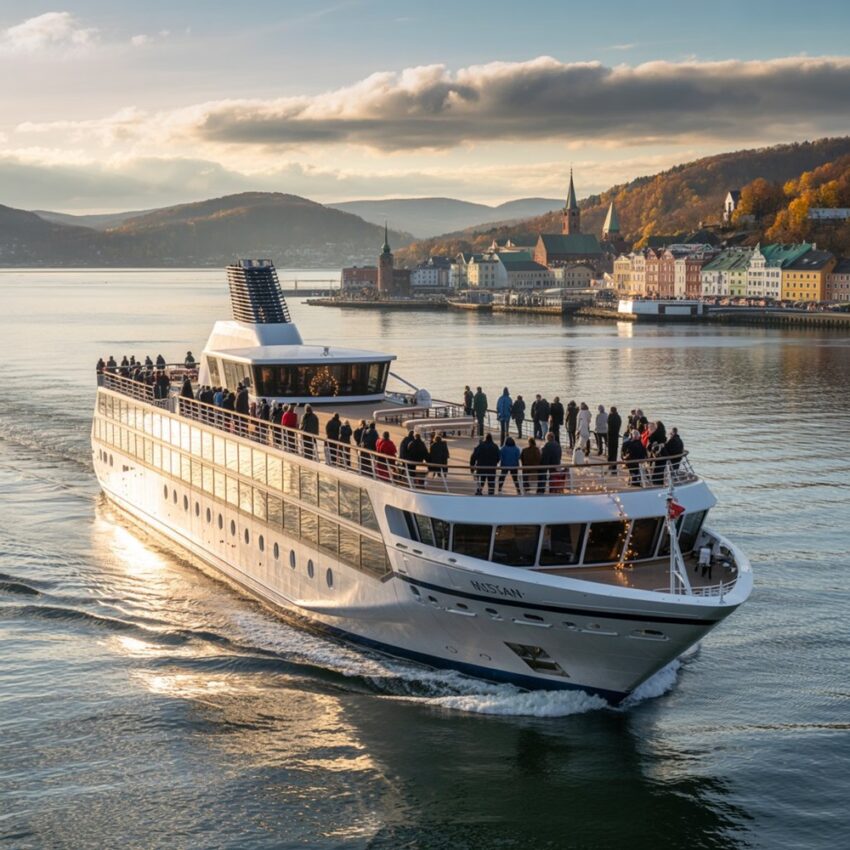
New Baltic Sea Cruise Trends Show Growth Expanding Regional Market
New Baltic Sea Cruise Trends Show Growth Expanding Regional Market
The Baltic Sea region is experiencing an impressive surge in cruise activity in 2025, according to the newly released Cruise Baltic Market Review. The report highlights a notable increase in the number of cruise guests, port calls, and turnarounds, marking a year of strong, broad-based growth. This positive trend signals a more balanced and resilient cruise market, with numerous medium-sized and large ports reporting growth across various metrics.
2025 Growth Shows Positive Momentum Across the Baltic Sea Region
The statistics for 2025 reveal a solid recovery for the Baltic Sea cruise market, with an increase in guest numbers by 12.3%, port calls rising by 12.8%, and turnarounds growing by 5.6% compared to 2024. These figures suggest that the region is not only rebounding but also showing continued resilience in the face of changing global travel dynamics.
Klaus Bondam, Director of Cruise Baltic, commented, “The results for 2025 show a much stronger and more stable development across the Baltic Sea region. The growth we’re witnessing across numerous destinations is encouraging and underscores the region’s sustained appeal to both cruise lines and their guests.”
Changing Dynamics of Cruise Port Market in the Baltic
The market dynamics of the Baltic Sea region are also evolving, with the share of port calls at the five largest ports remaining steady at around 50% in 2025. This indicates that the overall growth is not solely driven by the major hubs, with demand now more evenly spread across various ports in the region. However, when compared to the pre-COVID period, the composition of the region’s largest ports has undergone some significant changes. While cities like Stockholm, Helsinki, and Tallinn were once among the top five, the largest ports today include Copenhagen, Kiel, Oslo, Rostock, and Kristiansand.
This shift highlights how the region’s cruise landscape has diversified, with new destinations gaining prominence as the Baltic becomes more attractive to a broader range of cruise lines. This also reflects the trend of smaller and medium-sized ships becoming increasingly popular in the region, contributing to a more varied market.
Winter Cruises Gain Popularity in the Baltic Sea Region
Another noteworthy trend is the sharp rise in winter cruise activity across the Baltic Sea, particularly in the third and fourth quarters of 2025. While summer remains the peak season for cruises, the number of guests visiting the region during the autumn and winter months is growing rapidly. In fact, the fourth-quarter cruise calls in 2025 saw an impressive increase of 33.2% compared to the previous year.
The Baltic Sea region’s appeal during the off-peak seasons is being recognized by more cruise guests, particularly those seeking unique and memorable experiences during Christmas and autumn. This shift towards winter cruises is helping to strengthen the year-round economy of the ports and surrounding destinations, offering a fresh alternative to traditional summer itineraries.
Klaus Bondam added, “It’s encouraging to see more ships visiting during the third and fourth quarters of the year. Guests are increasingly seeking new experiences, and our region provides something truly unique during the autumn and winter months.”
2026 Forecast Shows Continued Growth and Market Expansion
Looking forward to 2026, the forecast for the Baltic Sea cruise market remains positive, with guest volumes expected to grow by 9.2%, while port calls and turnarounds are projected to rise by 10.7% and 7%, respectively. This continued growth highlights the long-term stability of the Baltic cruise market and its ability to attract both new and returning cruise lines.
Key Insights from the Cruise Baltic Market Review
Copenhagen remains the busiest cruise port in the Baltic, with 316 calls in 2025.
Rising Demand for Smaller Ships: The number of guests per call is predicted to decrease slightly in 2026, as more small and medium-sized cruise lines enter the market, contributing to the diversification of the region’s offerings.
Increased Turnarounds: The Baltic Sea is expected to see a significant increase in turnarounds, with projections of 487 in 2026, surpassing pre-COVID levels.
These insights suggest that the Baltic Sea region is on track for sustained growth, offering a wide range of opportunities for both established and new players in the cruise industry.
Conclusion: A Strong and Expanding Baltic Sea Cruise Market
The Baltic Sea cruise market’s remarkable growth in 2025, combined with an increase in off-peak winter cruises, underscores the region’s dynamic and expanding appeal. As destinations diversify and cruise lines continue to explore new opportunities, the Baltic Sea is poised to remain a key hub for cruise tourism in Europe. With positive projections for 2026 and beyond, the region’s resilience and adaptability will ensure that it remains a popular choice for cruise guests, providing both new experiences and familiar favorites across its ports.
The post New Baltic Sea Cruise Trends Show Growth Expanding Regional Market appeared first on Travel And Tour World.
Source: travelandtourworld.com



Sorry, the comment form is closed at this time.