


No More Cheap Street Booze: Europe’s Favourite Holiday Spots Hit Back at “Lout” Tourists in 2026
No More Cheap Street Booze: Europe’s Favourite Holiday Spots Hit Back at “Lout” Tourists in 2026
Europe is famous for parties, pubs and night life. Many people fly in for cheap drinks and late nights. But some cities now say “enough”. Residents are tired. They complain about loud noise, drunk crowds and dirty streets. They say tourists are keeping them awake. They say old city centres are turning into party zones instead of places to live.
So, city leaders are changing the rules. They are not banning alcohol everywhere. But they are limiting where and when people can drink. These rules are especially tough on drinking in the streetBy 2026, popular places like Amsterdam, Spain, Portugal and Slovakia will have stricter laws on public drinking. Tourists who do not know the rules could face fines or trouble with police.
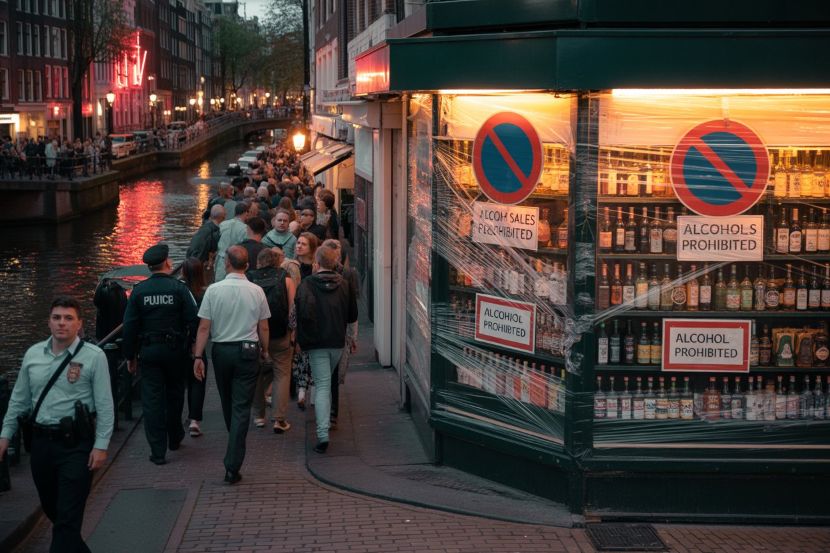
Amsterdam’s Red‑Light District: No Takeaway Booze After 4 p.m.
Amsterdam is one of Europe’s most famous party cities. The historic core, especially the Red‑Light District (De Wallen), is packed with bars, sex shops and coffee shops. But the city government says the area has become too wild.
To calm things down, the City of Amsterdam has brought in a “blowverbod” – a ban on using soft drugs on the street – and tougher alcohol rules in the Wallen area. The municipality explains on its own website that alcohol sales from shops and cafeterias in the Red‑Light District will be restricted. From Thursday to Sunday, these places must not sell alcohol after 16:00 (4 p.m.). During those hours, alcohol must even be removed or hidden from view inside the shop.
This is local law, not just a suggestion. It went through a public consultation and is part of a wider plan to fight “disruptive tourism” in the old city centre.
For travellers, the impact is clear:
You cannot buy takeaway alcohol from shops or snack bars in the Red‑Light District after 4 p.m., Thursday to Sunday.
Alcohol will be covered up or removed from shelves during the ban hours.
Bars and restaurants can still serve drinks for on‑site consumption, but you cannot expect to grab cheap cans from a minimarket for street drinking later in the day.
Many tourists love to wander the canals with a beer in hand. In 2026, that casual habit in Amsterdam’s historic core will become much harder. People who plan to “pre‑game” on the street before a night out will need to change their routine.
Spain: Street Drinking Off‑Limits in Most Cities
Spain is one of the world’s favourite holiday countries. Tourists visit Barcelona, Madrid and the islands for sun, beaches and bars. But Spain has long fought a big drinking culture on the streets, including the “botellón”, where crowds gather outdoors to drink for hours.
The authorities warn visitors that most Spanish cities ban drinking alcohol in the street. Drinking in public is forbidden in most places, except at registered cafés and bars.
This reflects local laws in key tourist zones, such as:
Barcelona
Madrid
Balearic Islands (like Mallorca and Ibiza)
These areas have rules to reduce noise, fights and rubbish from drunk groups in public spaces.
For travellers in 2026, this means:
Street drinking is illegal in most Spanish cities.
Police can fine you if you drink alcohol in public places like streets, squares or beaches, outside permitted events.
You should only drink in licensed bars, cafés, restaurants or at authorised events.
That cheap supermarket wine you buy is not for sipping on a bench in the square. In many Spanish destinations, doing that could bring you a ticket instead of a happy holiday photo.
Portugal: Public Drinks Pushed Back into Bars
Portugal is another much‑loved European destination. Cities like Lisbon and Porto draw tourists with pretty streets, nightlife and famous wine. But Portugal too is tightening control of public drinking.
Most cities in Portugal ban drinking alcohol in the street, except at registered cafés and bars. This reflects city rules that prohibit drinking in public places outside licensed venues.
So, if a tourist buys beer or wine from a supermarket in a Portuguese city, they are not allowed to drink it while walking along the street or standing in a square.
In 2026, visitors should expect:
No legal public drinking in most city streets.
Alcohol should be consumed only in licensed bars, cafés and restaurants or at authorised events.
Breaking the rules can lead to fines or, in serious cases, arrest.
Some cities are going further with targeted bans in nightlife zones. In Porto’s “Containment Zone”, a downtown nightlife area, supermarkets, convenience stores, wine cellars and souvenir shops are banned from selling alcohol from 9 p.m. to 8 a.m. Only cafés, bars, restaurants and nightclubs can sell alcohol in those hours.
This step is meant to curb late‑night street drinking and protect residents’ quality of life. Inspectors can even close venues that ignore the rules.
Slovakia: Public Drinking Banned in Many Cities
Slovakia is not as famous as Spain or Portugal for party tourism, but its capital Bratislava and other towns still attract visitors. These places also face issues with drunk behaviour in public areas.
Most Slovak cities ban drinking alcohol in public places. Exceptions exist only for designated places or events and registered cafés or bars.
So, just like in Spain and Portugal, Slovakia’s cities treat street drinking as a problem. Local rules aim to stop noise, mess and antisocial acts linked to alcohol.
For tourists in 2026:
You should not drink alcohol in public places such as streets and parks in most Slovak cities.
You can drink in bars, cafés and restaurants or at clearly designated events.
You risk penalties if you ignore these public‑drinking bans.
What These Rules Mean for Tourists in 2026
By 2026, a clear pattern is emerging in popular European destinations:
Amsterdam’s Red‑Light District: No off‑premises alcohol sales from shops and cafeterias after 4 p.m., Thursday to Sunday. Alcohol must be hidden from view during the ban hours.
Spain: Most cities ban drinking in the street, except in licensed venues.
Portugal: Most cities ban public drinking, with alcohol allowed only in bars, cafés and at events; Porto also restricts night‑time sales from shops in its central “Containment Zone”.
Slovakia: Most cities ban drinking alcohol in public places, with exceptions only for designated areas or events and registered venues.
For travellers, the big takeaway is simple:
Do not assume you can drink alcohol in public places.
Expect police to enforce bans, especially in busy tourist zones.
Use licensed venues – bars, cafés and restaurants – if you want to drink.
A typical example: a group of friends travels to Barcelona. They buy a box of beer from a shop and sit in a city square at night. In the past, they might have done this without thinking. In 2026, they could be breaking the law and could end up fined.
Likewise, a tourist heading to Amsterdam’s Red‑Light District on a Friday afternoon might expect to grab cheap cans from a mini‑market to drink on the street. After 4 p.m., that alcohol will not be for sale there and may not even be visible on the shelves.
Why Governments Are Doing This
These rules are not random. They are a response to years of complaints and data.
Residents in historic centres say they are losing sleep because of drunk shouting and late‑night crowds. They worry about damage to heritage buildings, dirty streets and a loss of local character as party tourism grows.
City surveys in Amsterdam’s Wallen area show high concern about bad behaviour, loud noise and people drinking and “blowing” (using soft drugs) on the street, especially late at night. Many residents support stricter rules like the “blowverbod” and earlier closing times, even though opinions are mixed on some measures.
Spanish authorities have long targeted the “botellón” culture because of noise, rubbish and the risk of alcohol‑related accidents among young people. Similar worries appear in Portugal and Slovakia, where public drinking bans are framed as tools to keep order in busy cities.
In short, governments are:
Protecting residents’ quality of life.
Trying to reduce crime and accidents linked to alcohol.
Guarding historic centres from becoming pure party zones.
How Travellers Can Stay Out of Trouble
For tourists, these changes do not mean “no fun”. They do mean “know the rules”. A holiday can quickly turn sour if it ends with a fine or a talk with the police.
Practical tips for 2026:
Check official travel advisories for your destination before you go, especially for Spain, Portugal and Slovakia.
Do not drink alcohol on streets, in public squares or on beaches unless you are sure it is allowed.
Use licensed venues if you want to drink: bars, cafés, restaurants and clubs.
In Amsterdam’s Red‑Light District, do not expect to buy alcohol from shops after 4 p.m. on Thursdays to Sundays, and do not drink on the street in restricted zones.
Watch for signs and instructions from local authorities, especially in busy nightlife districts.
Tourists who accept these changes can still enjoy vibrant nightlife – just inside legal, licensed venues instead of on the pavement. Those who ignore the rules may pay a high price.
The Big Picture: Europe’s New Tourism Contract
Across Europe, a new silent “deal” is forming between cities and visitors. Local leaders still welcome tourism money. But they want “respectful” tourists, not “loud” tourists.
That is why we now see:
Time‑limited bans on shop sales of alcohol in hotspots like Amsterdam’s Wallen and Porto’s downtown.
Wide street‑drinking bans in major countries such as Spain, Portugal and Slovakia.
Official warnings in travel advisories, telling visitors to stop public drinking or face fines.
For travellers, 2026 will not be the year Europe “kills the party”. It is the year Europe tries to move the party back indoors, behind the doors of licensed venues, and away from people’s bedrooms and historic streets.
The post No More Cheap Street Booze: Europe’s Favourite Holiday Spots Hit Back at “Lout” Tourists in 2026 appeared first on Travel And Tour World.
Source: travelandtourworld.com


Sorry, the comment form is closed at this time.