


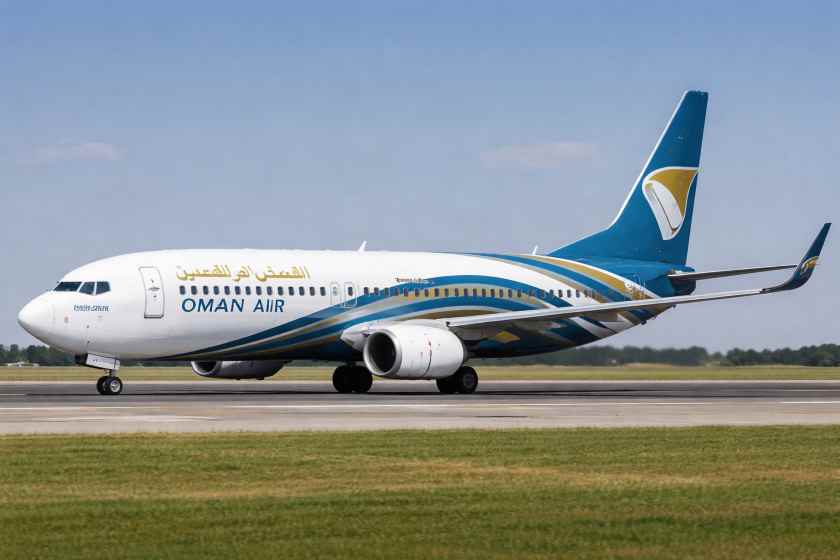
Oman Air Eyes Low-Cost Model to Boost Tourism and Expand Growth: Click to Know More What It’s All About
Oman Air Eyes Low-Cost Model to Boost Tourism and Expand Growth: Click to Know More What It’s All About
Oman Air, the national carrier of Oman, is considering a shift towards a low-cost business model to boost its growth and enhance the country’s position in global aviation. This potential transformation marks an exciting moment for Oman’s tourism industry, as it could significantly impact travel, making it more accessible for international visitors while also spurring growth within the aviation sector.
Oman’s Growing Aviation and Tourism Sector
Oman has become an increasingly popular destination for travellers seeking a blend of cultural heritage, stunning landscapes, and modern amenities. From the bustling capital, Muscat, to the dramatic deserts and serene beaches of Salalah, Oman has established itself as a unique and sought-after travel destination. Oman Air has long played a vital role in connecting Oman with the rest of the world, offering flights to a variety of international destinations.
The decision to explore a low-cost model could serve to boost this growth by making travel to Oman more affordable for tourists and further establishing the airline as a key player in the Middle Eastern aviation market. With the rise of budget-conscious travelers and the increasing demand for more economical air travel options, this shift could open up new opportunities for Oman’s tourism sector.
The Benefits of a Low-Cost Model for Oman Air
For Oman Air, embracing a low-cost model could catalyze expanding its network and increasing passenger numbers. While the airline currently provides full-service flights to destinations across the globe, shifting to a low-cost structure could appeal to a broader range of travelers, especially those from regions with more budget-conscious travellers, such as Southeast Asia and Europe.
This move could lead to a variety of benefits for Oman Air, including the potential for increased frequency of flights to key tourist destinations and the ability to offer more competitive prices in an increasingly competitive market. Lower fares could attract both leisure travellers and business tourists who may have previously considered Oman a more expensive destination.
By offering budget-friendly options, Oman Air would be able to tap into a larger market of tourists and business travellers, ultimately increasing Oman’s international reach. This could lead to stronger trade and business connections, boosting the country’s economy and increasing its prominence on the global tourism stage.
Impact on Oman’s Tourism and Economy
The low-cost airline model has proven successful for many global airlines, making destinations more accessible to a wider range of travellers. For Oman, this could result in an influx of tourists, drawn by more affordable airfare to key destinations like Muscat, Salalah, Nizwa, and Sur.
For Oman’s tourism industry, the benefits are substantial. More tourists mean increased spending in hotels, restaurants, local attractions, and cultural events. This could also result in the creation of more jobs within Oman’s hospitality and travel sectors, further contributing to the country’s economic development.
Additionally, Oman’s recent focus on expanding its tourism offerings, including efforts to develop more luxury resorts, cultural experiences, and adventure tourism activities, aligns well with the potential increase in visitors that could be driven by a low-cost airline model. As tourists from a wide range of backgrounds are encouraged to visit Oman through affordable flights, the country’s diverse attractions and welcoming atmosphere will likely continue to gain global recognition.
Regional and Global Competitiveness
As Oman Air moves towards a low-cost model, it will face competition from other regional airlines that have successfully implemented budget-friendly services. Airlines such as Flydubai, Air Arabia, and SalamAir, already operating in the low-cost sector, have gained significant market share in the Middle East and beyond. Oman Air’s transition could help it remain competitive in a rapidly changing aviation landscape, especially as international travel continues to rebound post-pandemic.
By adopting a low-cost model, Oman Air can compete directly with these regional airlines by offering more affordable flights to a range of destinations. It could also provide additional options for passengers looking to travel to Oman from nearby markets such as the UAE, Saudi Arabia, India, and Europe.
With a more flexible and affordable pricing structure, Oman Air will likely attract a diverse group of passengers, enhancing Oman’s position as a major player in regional aviation and tourism. This shift could also help strengthen Oman’s position within the larger Middle Eastern and Asian aviation markets, where the demand for budget flights continues to grow.
Oman Air’s Role in Strengthening Oman’s Connectivity
Oman Air has always been a vital component of the country’s infrastructure, serving as the key link between Oman and international markets. By shifting to a low-cost model, Oman Air could further enhance its role as the national carrier by expanding its network and offering new routes to emerging destinations. This would improve Oman’s connectivity, not only to traditional tourism hubs but also to emerging markets in Asia, Africa, and Europe.
Additionally, this could lead to more partnerships with other low-cost carriers, further enhancing Oman Air’s ability to offer competitive fares while maintaining high standards of service. Such collaborations could help improve flight availability, allowing tourists from across the globe to easily access Oman and experience its rich culture, beautiful landscapes, and modern amenities.
The Future of Oman Air and Oman’s Tourism
As Oman Air continues to explore the possibility of a low-cost model, the potential for growth within Oman’s tourism and aviation sectors is immense. By making travel to Oman more affordable, the airline could attract more international visitors, driving demand for local tourism services and contributing to the broader development of Oman’s economy.
For travellers, the move towards a low-cost airline could mean more flexibility in choosing Oman as a travel destination, with more affordable flights to key locations. From relaxing beach holidays in Muscat to exploring the ancient forts and wadis of Nizwa, Oman’s diverse attractions would become more accessible to a broader range of tourists, fueling further growth in the tourism sector.
In conclusion, Oman Air’s potential shift to a low-cost business model is poised to play a significant role in both the aviation industry and Oman’s tourism future. By opening up affordable options for travelers, Oman can continue to grow as a global destination while strengthening its position within the competitive Middle Eastern aviation market.
The post Oman Air Eyes Low-Cost Model to Boost Tourism and Expand Growth: Click to Know More What It’s All About appeared first on Travel And Tour World.
Source: travelandtourworld.com



Sorry, the comment form is closed at this time.