


Peru Joins Turkey, Netherlands, Italy, France, Croatia, Japan And More In Facing Overtourism Challenges, With Overcrowding, Social Media Hype, And Lack Of Visitor Management Pushing Destinations To The Brink: Everything You Need To Know As A Visitor
Peru Joins Turkey, Netherlands, Italy, France, Croatia, Japan And More In Facing Overtourism Challenges, With Overcrowding, Social Media Hype, And Lack Of Visitor Management Pushing Destinations To The Brink: Everything You Need To Know As A Visitor
Peru Joins France, Italy, Japan, Croatia, and Other Countries Battling Overtourism as Visitor Caps, Social Media Fame, and Overcrowded Sites Create Major Strain on UNESCO Resources due to the overwhelming growth of tourism in iconic destinations, causing irreparable damage to cultural heritage and the environment. As these countries struggle to balance the economic benefits of mass tourism with the preservation of their historical and natural sites, increased visitor numbers, fueled by the influence of social media and affordable travel options, are pushing infrastructure to its limits. From overcrowding in Machu Picchu to the crowded streets of Venice, this article explores how overtourism is reshaping these nations and the measures they are implementing to mitigate its effects.
Overtourism is a growing phenomenon that affects some of the world’s most iconic destinations. Countries that boast rich cultural heritage, natural wonders, and architectural marvels are grappling with the consequences of having more tourists than their infrastructure, resources, and local communities can handle. As travel rebounds following the pandemic, overtourism has intensified in several destinations, from Machu Picchu in Peru to the beaches of Croatia. This article explores how Peru, along with France, Italy, Japan, Croatia, and other nations, are struggling with overtourism and the measures they are implementing to cope with the crisis.
Peru’s Struggle with Overtourism: The Impact on Machu Picchu
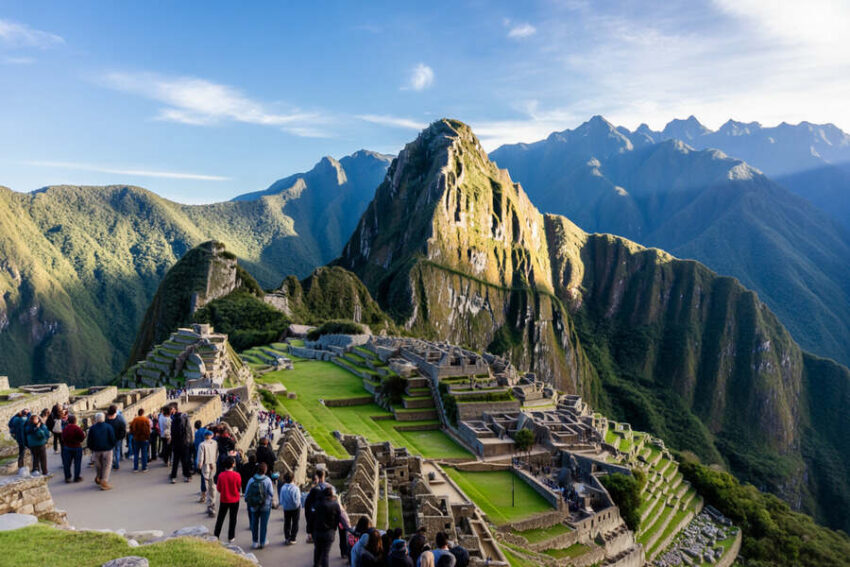
Peru, one of South America’s most popular tourist destinations, is at the center of overtourism challenges. The country’s crown jewel, Machu Picchu, has long been a bucket-list destination for millions of travelers worldwide. However, the sheer number of visitors to this UNESCO World Heritage site is taking its toll on the site’s preservation and the surrounding ecosystem.
In 2026, Machu Picchu saw more than 1.5 million visitors, far exceeding the optimal number for maintaining the site’s integrity. The overwhelming influx has caused erosion of the Inca trails, wear and tear on ancient structures, and increased pollution in the surrounding areas. The Sacred Valley region, home to Machu Picchu, faces similar challenges with overcrowding in towns like Aguas Calientes and Cusco. Local infrastructure, including roads, sanitation, and water systems, is under intense pressure.
Reasons Behind Overtourism in Peru
Global Popularity: Social media, travel influencers, and Instagram have turned Machu Picchu into one of the most Instagrammed locations globally, amplifying its appeal.
Low-Cost Travel: Budget airlines and affordable tour packages have made travel to Peru more accessible, increasing visitor numbers significantly.
Insufficient Infrastructure: Peru’s infrastructure, including public transport and waste management systems, has not kept pace with the rapid increase in visitor numbers.
Measures to Tackle Overtourism
The Peruvian government has introduced visitor caps, limiting daily access to 5,500 people per day, and is working on more comprehensive visitor dispersal strategies to spread tourists across the Sacred Valley. Additionally, the Chinchero International Airport, set to open in 2027, is expected to reduce congestion in Cusco and provide a more direct route to the Sacred Valley, potentially easing some pressure on Machu Picchu.
France: Struggling with Overcrowding in Paris and the French Riviera
France is another country that has long been at the heart of global tourism. Paris, Nice, and other iconic destinations on the French Riviera are facing similar challenges as Peru, with overcrowding causing significant strain on local resources and residents.
Paris, the “City of Light,” attracts over 30 million visitors annually, many of whom visit popular spots like the Eiffel Tower, Louvre Museum, and Notre-Dame Cathedral. In 2019, the Eiffel Tower alone saw over 7 million visitors. This influx has resulted in long queues, overcrowded streets, and mounting environmental costs. Similarly, the French Riviera has been besieged by tourists seeking its Mediterranean charm. The sheer volume of cruise ships and hotel guests is overwhelming the local infrastructure, driving up prices for locals and threatening the environmental sustainability of the region.
Reasons Behind Overtourism in France
Famous Landmarks: Paris’s top attractions, including museums, historical landmarks, and world-renowned restaurants, draw millions each year.
Social Media Hype: The French Riviera’s glamorous beaches and luxury destinations are frequently featured on social media, fueling desire among travelers.
High-Capacity Tourism Infrastructure: France has some of the world’s best-developed tourism infrastructure, making it an attractive destination for mass tourism.
Measures to Tackle Overtourism
France has responded with several measures, such as implementing daily visitor caps for the Louvre and other heavily visited museums, and promoting off-season travel. The French government has also introduced taxes on cruise ships to limit their environmental impact on the French Riviera.
Italy: Venice and Rome Facing Strains from Mass Tourism
Italy’s top tourist destinations, including Venice and Rome, are no strangers to the perils of overtourism. In Venice, the Grand Canal is crowded with cruise ships and gondolas, leading to physical damage to the city’s delicate infrastructure. The city’s historical monuments and ancient buildings are gradually eroding due to the sheer volume of foot traffic, while the rise in hotel prices and housing shortages is pushing locals out of the city.
Rome, with its Colosseum, Vatican City, and Roman Forum, sees millions of tourists each year. The intense tourism pressure on Rome’s ancient sites has led to overcrowded streets, especially during peak travel seasons. Tourists often face long waits, particularly at popular sites such as the Colosseum, which has been forced to limit the number of daily visitors to combat overcrowding.
Reasons Behind Overtourism in Italy
Rich Cultural Heritage: Italy’s historical sites, ancient ruins, and art galleries attract large numbers of culture-seeking visitors.
Cruise Tourism: Venice has been a prime destination for cruise tourists, many of whom disembark in the city for short visits, contributing to the overcrowding problem.
Lack of Proper Visitor Management: Until recently, Italy has struggled with a lack of comprehensive policies to control the volume of visitors, especially in Venice.
Measures to Tackle Overtourism
In response to overtourism, Venice has implemented tourist entry fees for day-trippers, while Rome has restricted the number of visitors at popular sites like the Colosseum and Vatican Museums. Italy is also focusing on promoting lesser-known destinations in Puglia, Sicily, and Tuscany to alleviate pressure on major cities.
Japan: Mount Fuji and Kyoto Grapple with Overcrowding
Japan is facing a significant overtourism challenge in cities like Kyoto and around Mount Fuji. Kyoto, known for its ancient temples, shrines, and gardens, has become a hotspot for tourists eager to experience its traditional beauty. However, the city’s fragile historical sites are at risk due to the increasing number of visitors. Mount Fuji, a UNESCO World Heritage site, faces similar pressures, as tourists flock to hike the iconic mountain, leading to overcrowding and environmental damage in surrounding areas.
Reasons Behind Overtourism in Japan
World-Class Attractions: Kyoto’s temples and Mount Fuji’s natural beauty draw millions from around the world.
Cultural Significance: Japan’s rich culture and ancient traditions are a big draw for visitors seeking an authentic experience.
Social Media Influence: Locations such as Mount Fuji and Kyoto’s Arashiyama Bamboo Grove have gone viral on social media, further boosting their popularity.
Measures to Tackle Overtourism
Japan is taking several steps to manage overtourism, including introducing restrictions on visitor numbers in certain areas of Kyoto and Mount Fuji. Timely ticketing systems have been implemented at key attractions, and there is a push for sustainable tourism practices that promote off-the-beaten-path destinations.
Croatia: Overcrowded Adriatic Beaches and Historic Towns
Croatia, with its stunning Adriatic coastline, is one of the most visited destinations in Europe. However, Dubrovnik, known as the “Pearl of the Adriatic,” is experiencing serious issues with overtourism. The city, a UNESCO World Heritage site, has become a magnet for cruise tourists, who flock to the Old Town, often overloading the city’s narrow streets. Other coastal towns like Split and Zadar also face overcrowding as more visitors flock to the beaches, causing strain on local resources.
Reasons Behind Overtourism in Croatia
Coastal Beauty: Croatia’s beaches and historical sites are immensely popular, especially among European tourists.
Cruise Tourism: Dubrovnik’s status as a top cruise stop has contributed significantly to its overcrowding.
Economic Incentives: The growth of tourism in Croatia has led to massive investments in infrastructure, without fully accounting for the carrying capacity of local communities.
Measures to Tackle Overtourism
In response to the pressures of overtourism, Croatia has begun limiting daily visitor numbers to Dubrovnik’s Old Town and is working to increase sustainable tourism offerings, including promoting lesser-known coastal towns and island destinations.
Solutions to Overtourism: What Countries Are Doing
Countries battling overtourism in 2026 are increasingly adopting sustainable solutions to preserve their heritage and ensure tourism benefits local communities without damaging their cultural or environmental assets. Some of the most effective strategies include:
Daily Visitor Caps: Countries like Peru and Italy are implementing visitor limits for popular attractions.
Off-Season Promotion: Encouraging tourists to visit during shoulder seasons to balance visitor numbers.
Sustainable Tourism Development: Investment in sustainable practices such as eco-friendly transport, green hotels, and local community tourism to disperse visitors across the country.
Technology Integration: Using digital tools like timed ticketing, crowd-monitoring systems, and geo-tagging to manage visitor flow more effectively.
Conclusion: The Ongoing Battle Against Overtourism
Overtourism remains one of the most pressing challenges for countries reliant on tourism in 2026. Peru, along with France, Italy, Japan, and Croatia, faces significant hurdles in balancing the economic benefits of tourism with the preservation of their cultural heritage and environmental integrity. As the world adapts to this reality, countries are increasingly investing in sustainable tourism practices and policy interventions to ensure that they remain accessible for future generations while protecting the resources that make them special.
Peru joins France, Italy, Japan, Croatia, and other countries battling overtourism as visitor caps, social media fame, and overcrowded sites strain UNESCO resources. The rapid growth of tourism, driven by digital exposure and easy accessibility, is overwhelming infrastructure and threatening the preservation of cultural and natural landmarks across the globe.
By prioritizing local community engagement, infrastructure upgrades, and visitor management systems, these countries are moving toward a more balanced, responsible future for tourism — one that benefits visitors and residents alike without compromising the heritage that makes these destinations so iconic.
The post Peru Joins Turkey, Netherlands, Italy, France, Croatia, Japan And More In Facing Overtourism Challenges, With Overcrowding, Social Media Hype, And Lack Of Visitor Management Pushing Destinations To The Brink: Everything You Need To Know As A Visitor appeared first on Travel And Tour World.
Source: travelandtourworld.com


Sorry, the comment form is closed at this time.