


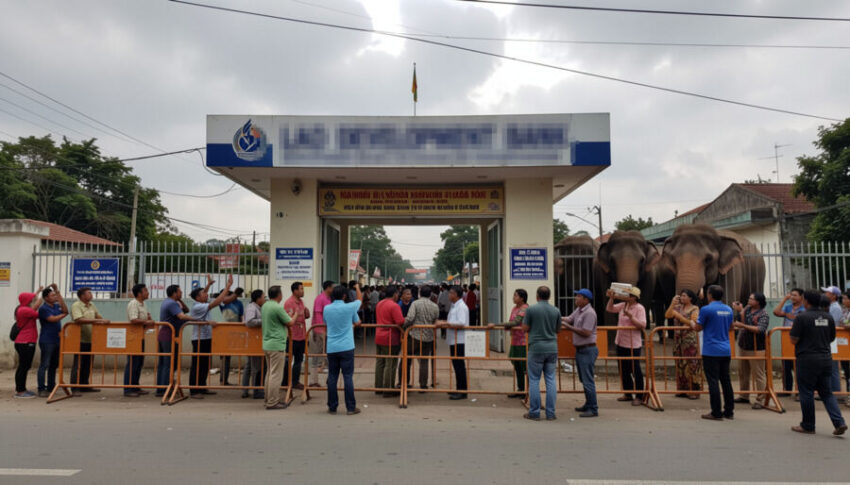
PETA Urges Immediate Action from Lao Development Bank to Sever Ties with Xayaboury Elephant Festival After Reports of Brutal Training and Animal Abuse
PETA Urges Immediate Action from Lao Development Bank to Sever Ties with Xayaboury Elephant Festival After Reports of Brutal Training and Animal Abuse
As the Xayaboury Elephant Festival draws near, growing concerns about the treatment of elephants at the event have led to calls for the Lao Development Bank to withdraw its sponsorship. Animal rights group PETA has raised serious issues regarding the exploitation and mistreatment of elephants during the festival, urging the bank to cut ties with the event. The organization claims that the festival subjects elephants to painful training methods, harmful physical activities, and cruel performance conditions that undermine the well-being of the animals involved.
The Xayaboury Elephant Festival, held annually in Laos, is marketed as a celebration of the cultural significance of elephants in the region. However, PETA’s investigation paints a troubling picture of the treatment these animals endure behind the scenes. According to the organization, the festival’s events force elephants to engage in unnatural and physically demanding tasks, raising questions about the ethics of using animals for entertainment.
The Exploitation of Elephants at the Festival
PETA has criticized the festival for involving elephants in activities that cause physical strain and distress. These activities reportedly include elephants being forced to dance, play football, and even participate in dart-throwing games. Additionally, the elephants are made to carry tourists in heavy chairs strapped to their backs, an act that is not only physically taxing but also harmful to their well-being. The weight and pressure from these heavy chairs can cause permanent damage to the elephants’ spines and joints, as they are not naturally suited to carry such loads.
Elephants are intelligent, social animals that need to roam freely and engage in natural behaviors in their habitats. Forcing them to perform in stressful environments with loud crowds and constant demands is not only physically damaging but emotionally distressing as well. PETA highlights how this kind of exploitation leads to long-term psychological harm, as elephants are subjected to unnatural situations that frustrate and confuse them.
Cruel Training Techniques: Phajaan and Beyond
A key focus of PETA’s investigation is the cruel training methods that elephants undergo before being allowed to participate in the festival. The process, known as phajaan or the “crush,” is a brutal method used to break the spirits of young elephants. The practice begins with the separation of baby elephants from their mothers and natural herds, followed by confinement in small cages or pens where they are subjected to physical abuse. The goal of phajaan is to force the young elephant into submission by inflicting pain and fear, preventing them from exhibiting their natural behaviors.
During phajaan, elephants are often restrained with chains and subjected to beatings, prods, and other forms of physical abuse. The intense emotional and physical pain they experience in this process has been shown to cause long-lasting trauma, making it difficult for them to form healthy social bonds later in life. This kind of treatment is not only cruel but also results in animals that are terrified of humans, which is an unacceptable cost for human entertainment.
PETA’s investigation reveals that phajaan continues to be employed for elephants that participate in the Xayaboury Elephant Festival, despite widespread condemnation of the practice by animal rights groups around the world. The ongoing use of such harsh methods raises serious ethical concerns about the treatment of elephants and their role in the tourism industry.
Bullhooks and Other Instruments of Painful Control
In addition to the harsh training techniques, PETA also reports that elephants are subjected to further physical abuse during the festival. Handlers allegedly use tools such as bullhooks—sharp, heavy instruments designed to prod and control elephants—on the animals. The bullhook is used to inflict pain and force the elephants to comply with commands, often leaving visible wounds on their bodies. PETA claims that previous festivals have seen elephants with cuts, bruises, and abrasions, which are signs of the physical abuse they endure.
The bullhook, along with other similar instruments, is a key tool used to maintain control over the elephants throughout the festival. These tools are designed to cause pain, forcing the animals to obey their handlers. The use of such devices further underscores the exploitation of elephants for entertainment purposes and highlights the extent to which physical harm is inflicted on these animals to ensure they perform as required.
The Lao Development Bank Under Scrutiny
PETA has called on the Lao Development Bank to reconsider its sponsorship of the Xayaboury Elephant Festival, urging the bank to sever its financial ties with the event. As a primary sponsor, the bank plays a crucial role in funding and legitimizing the festival. By continuing to support the event, PETA argues that the bank is complicit in perpetuating the exploitation of elephants and other animals involved in the festival.
In its public plea, PETA urges the Lao Development Bank to take a stand against animal cruelty by withdrawing its support for the festival. The organization believes that this action would demonstrate the bank’s commitment to corporate social responsibility and ethical business practices. Moreover, it would send a strong message to other companies and organizations about the importance of protecting animals from exploitation in the tourism industry.
The Power of Public Awareness and Ethical Tourism
While corporate action is essential, PETA is also calling on the public to be more discerning when it comes to supporting events that involve animal exploitation. Tourists have the power to make a significant impact by choosing not to attend festivals and activities that harm animals. By voting with their wallets and supporting ethical alternatives, tourists can help reduce the demand for exploitative practices in the entertainment industry.
PETA encourages individuals to seek out responsible and ethical tourism experiences, such as visiting wildlife sanctuaries or participating in conservation efforts, where animals are treated with respect and allowed to thrive in their natural environments. Ethical tourism emphasizes the importance of preserving wildlife while providing opportunities for people to connect with animals in ways that do not cause harm.
In the case of the Xayaboury Elephant Festival, PETA urges tourists to avoid attending the event and to choose alternative forms of entertainment that do not rely on the exploitation of animals. By making informed choices, the public can help change the way animals are treated in tourism and encourage the industry to adopt more sustainable, cruelty-free practices.
Shifting Attitudes Toward Animal Exploitation in Tourism
PETA’s campaign against the Xayaboury Elephant Festival is part of a larger effort to challenge the widespread exploitation of animals in tourism. Over the years, there has been growing recognition of the need to protect animals from harm in the entertainment industry. Many countries have taken steps to regulate the use of animals in tourism, and some have introduced legislation to ban cruel practices altogether. However, events like the Xayaboury Elephant Festival remain common in certain regions, where animals are still exploited for profit.
PETA aims to bring attention to the reality of elephant exploitation in tourism, shedding light on the cruelty that is often hidden behind the scenes. The organization believes that by raising awareness about these issues, it can help shift public attitudes and encourage a move toward more humane and ethical practices in the tourism sector.
Conclusion: A Call for Compassionate Tourism
The Xayaboury Elephant Festival serves as a stark reminder of the ongoing exploitation of animals in the tourism industry. The cruel training methods, physical abuse, and forced performances are unacceptable practices that must be addressed if we are to create a more compassionate and ethical tourism industry. PETA’s call for the Lao Development Bank to withdraw its sponsorship of the festival is an important step in the fight against animal cruelty in entertainment, and it highlights the need for greater accountability from corporations and organizations involved in tourism.
Ultimately, the responsibility lies with both individuals and organizations to promote ethical tourism and ensure that animals are treated with respect and dignity. By choosing to support cruelty-free tourism experiences, we can help create a world where animals are no longer exploited for human entertainment.
The post PETA Urges Immediate Action from Lao Development Bank to Sever Ties with Xayaboury Elephant Festival After Reports of Brutal Training and Animal Abuse appeared first on Travel And Tour World.
Source: travelandtourworld.com



Sorry, the comment form is closed at this time.