


Philippines, China, Singapore, United Arab Emirates & Canada Brace for Impact as Cebu Pacific, Philippine Airlines and Hilton Worldwide Stand to Gain from Travel Tax Scrapping — Here’s the Hidden Catch for CHED and NCCA
Philippines, China, Singapore, United Arab Emirates & Canada Brace for Impact as Cebu Pacific, Philippine Airlines and Hilton Worldwide Stand to Gain from Travel Tax Scrapping — Here’s the Hidden Catch for CHED and NCCA
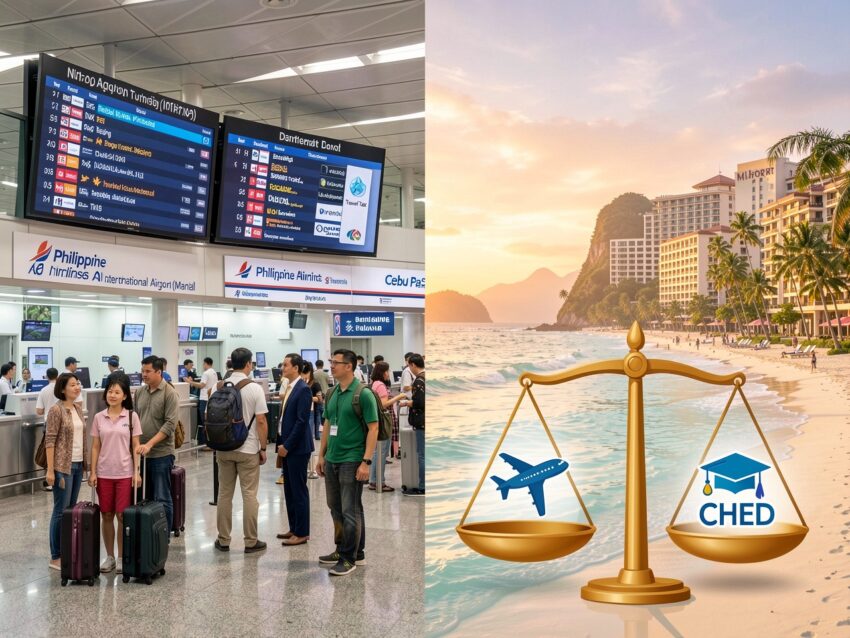
Philippines, China, Singapore, United Arab Emirates & Canada are at the forefront of a seismic shift in global travel as the Philippine House Committee on Tourism recently approved a consolidated bill that could abolish the decades-old travel tax on outbound passengers — a move that promises to send ripples through the airline, hospitality and tourism sectors while drawing intense public interest from travelers worldwide. This legislative momentum, backed by priority status from the Legislative-Executive Development Advisory Council and championed by key lawmakers, aims to eliminate the mandatory fee of roughly ₱1,620 to ₱2,700 that Filipinos have paid for decades when flying internationally, potentially unlocking more affordable flights on carriers like Philippine Airlines and Cebu Pacific, stimulating demand, and lowering overall travel costs. At the same time, the debate has caught the attention of global tourists and industry observers, as travel from powerhouse markets such as China and Singapore could accelerate, Middle Eastern visitors from the UAE may find richer cultural exchanges with the Philippines, and Canadians eager for tropical escapes could see more competitive fare options. However, this bold reform comes with critical concerns from institutions like the Commission on Higher Education (CHED) and the National Commission for Culture and the Arts (NCCA), which currently benefit from travel tax revenue and fear that loss of funding could impact scholarships, cultural programs, and heritage preservation unless alternative sources are secured — setting the stage for a historic crossroads between travel affordability and sustaining national programs. (gmanetwork.com)
Philippines, China, Singapore, United Arab Emirates & Canada Brace for Travel Tax Shakeup — What This Means for Airlines, Tourists and Hotels
The Philippines’ travel landscape is shifting dramatically. A consolidated bill to abolish the travel tax has moved forward in the national legislature and been approved in principle by the House tourism committee. It is now headed to the House ways and means panel for review and the crafting of alternative funding mechanisms. This legislative change has sparked deep discussion across the airline, tourism, hospitality, and travel communities. It also raises new questions for tourists planning journeys from countries like China, Singapore, the United Arab Emirates (UAE), and Canada.
This travel tax abolition bill aims to eliminate a departure levy long considered a barrier to affordable air travel. At the same time, agencies that rely on the current travel tax, such as the Commission on Higher Education (CHED) and the National Commission for Culture and the Arts (NCCA), will need stable replacement funding. The tourism sector and travelers alike are watching closely as lawmakers refine the proposals. (BusinessWorld)
In this article, we explore how this policy could reshape regional travel, impact major airlines and global hospitality brands, and offer fresh insights for tourists from key source markets. We also provide practical travel data and expert perspectives to help you plan future trips with confidence.
Philippine Travel Tax: The Basics and Why It Matters
The Philippine travel tax is a levy imposed by the government on passengers departing the country on international flights. It currently costs ₱1,620 (about $28) for economy class and ₱2,700 (about $47) for first-class passengers. The tax is applied regardless of where the airline ticket was purchased. Portions of this travel tax are allocated to tourism infrastructure projects, higher education tourism programs, and cultural arts preservation. (Tieza)
For decades, critics have argued that the travel tax discourages travel, especially for budget-conscious travelers, and places the Philippines at a competitive disadvantage relative to other Southeast Asian destinations. The proposed abolition is being touted by airline associations and tourism advocates as a way to modernize the travel ecosystem and spur inbound and outbound travel. (Travel And Tour World)
Boost for Airlines and Ticket Pricing: How Cebu Pacific and Philippine Airlines Stand to Gain
Major Philippine carriers are among the strongest supporters of the travel tax abolition. The Air Carriers Association of the Philippines (ACAP), which represents carriers such as Philippine Airlines, Cebu Pacific, and AirAsia Philippines, has argued that removing the tax would make air travel more affordable and stimulate demand. (Travel And Tour World)
With the tax scrapped, airlines could price tickets more competitively. Industry analysts estimate that international ticket prices could drop by up to 20% once the tax is fully eliminated and new fair pricing structures are in place. This is a significant incentive for price-sensitive travelers from markets such as China, Singapore, UAE, and Canada. (The Traveler)
For example, Cebu Pacific frequently offers budget fares between Manila and Singapore starting as low as $60 on sale dates. With the travel tax gone, these deals could become more frequent and accessible. Philippine Airlines also offers direct routes from Manila to Vancouver, Toronto, Dubai, Singapore, and Beijing — popular markets with expanding Filipino diaspora and tourism interest.
Lower travel taxes may encourage airlines to increase flight frequencies. For Singapore, airlines could add more Manila–Singapore–Manila flights with partners like SilkAir or Scoot, further encouraging visitors from Southeast Asia to discover the Philippines. Dubai and Abu Dhabi carriers might also consider code-shares on routes to Manila, appealing to Middle Eastern tourists seeking sun, beaches, and adventure.
Tourism Sector Outlook: Philippines’ Competitive Tourism Growth
Tourism in the Philippines has been steadily recovering after the pandemic. Foreign visitor arrivals reached nearly 6 million in 2024, with projections showing continued growth into 2025 and 2026 as global mobility rebounds. South Korea, the United States, and Japan were among the top source markets for inbound tourism, contributing significantly to visitor numbers and tourism revenue. (Wikipedia)
Despite this rebound, the Philippines lags behind some regional peers like Thailand, Malaysia, and Vietnam in tourism recovery. However, experts believe that removing travel costs, like the travel tax, could help the country close the gap and appeal more strongly to international travelers looking for diverse landscapes, island adventures, world-class diving spots, and vibrant city experiences. (Travel And Tour World)
Travel agencies and tourism boards are positioning the country for long-term growth. The Department of Tourism has identified markets like the United States, Canada, India, China, and the Middle East for targeted campaigns in 2026. These markets are expected to drive a significant portion of international visitor arrivals as economic conditions improve and travel demand rises. (Pear Anderson)
Chinese, Singaporean, and UAE Travelers: What the Travel Tax Abolition Means for You
China has historically been a strong source of visitors to the Philippines, though recent geopolitical shifts and visa policy changes have affected the pace of arrivals. Tourism stakeholders hope that cheaper travel costs could improve demand again. Singaporean travelers — with strong intra-ASEAN connectivity — could find budget travel to the Philippines more appealing as costs drop. UAE and Canadian travelers may also increase trips, especially during peak seasons and during holiday windows, as airfare becomes more competitive without the travel tax premium.
With Philippine Airlines flying direct to major Middle Eastern and North American hubs, elimination of the travel tax could reduce overall travel costs substantially. For example, a roundtrip Manila–Dubai fare could become roughly $50–$80 cheaper per passenger when travel tax savings are passed on. Similarly, Toronto–Manila flights could become more attractive for Canadian tourists interested in tropical getaways. These savings are significant for families and long-distance leisure travelers.
Hospitality Industry Dynamics: Hotels, Resorts and the Local Service Sector
Major hotel and resort brands have mixed views on the travel tax abolition. Groups such as the Philippine Hotel Owners Association (PHOA) caution that increased outbound travel by Filipinos could divert spending away from domestic tourism, potentially slowing the recovery of the hotel sector and other local tourism businesses. (BusinessMirror)
Popular international and domestic hospitality names like Hilton Worldwide, Marriott International, Accor Hotels, Shangri-La, and Discovery Shores operate major properties in the Philippines. These brands emphasize that lower departure costs may bring more international visitors, which could translate to higher occupancy rates, especially in premium destinations such as Boracay, Palawan, and Cebu. (Wikipedia)
Domestic hotel operators, meanwhile, stress that outbound travel by Filipinos should be balanced with strong inbound marketing to sustain local tourism growth. Hotels are working with travel promoters to offer staycation packages, extended stays, and bundled air-plus-hotel deals that make the Philippines more attractive compared to alternative destinations.
If more tourists arrive from China, Singapore, UAE, and Canada, hotels could see an influx of bookings during peak seasons such as December to February and the summer months of March to May. This targeted growth could help boost revenues for hotels in Cebu City, Makati, and beachfront resorts.
Tourist Travel Tips: Making the Most of Your Philippine Voyage
For travelers planning a Philippines visit once the travel tax is abolished, here are useful tips:
Plan Flights Early: Book major carriers like Philippine Airlines and Cebu Pacific well in advance to secure the best fares. Monitor airline flash sales as travel tax savings may reduce fares even further.
Explore Popular Destinations: Boracay, Palawan, Cebu, Siargao, and Bohol remain top favorites. They offer beaches, diving, eco-adventure, and cultural experiences.
Accommodation Deals: Check hotel rewards and package deals from Marriott Bonvoy, Hilton Honors, and Accor Live Limitless — many offer significant savings during shoulder seasons.
Local Culture Respect: The Philippines has rich cultural events — plan around festivals like Sinulog (January) and Ati-Atihan (January) for unique local experiences.
Visa Requirements: Most nationalities can enter the Philippines visa-free for short stays. Confirm current visa policies before travelling.
Economic Impact: Jobs, GDP and Future Outlook
Travel and tourism are central to the Philippine economy. Prior to the pandemic, the industry contributed nearly 12.7% to GDP. In recent years, this figure was tempered by travel restrictions but is rebounding steadily. Experts assert that cheaper travel and increased connectivity could enhance tourism’s economic contribution and create millions of jobs in hospitality, aviation, and service sectors. Bottom-line economic forecasts also project stronger tax revenue from broader economic activities if outbound travel costs decline and transit increases. (wttc.org)
Crucially, lawmakers are part of ongoing discussions about alternative funding to replace the revenue stream previously provided by the travel tax. Agencies like CHED and NCCA have expressed concern about funding shortfalls in scholarships, research, cultural programs, and heritage site preservation if replacement funds are not secured. This debate will shape the final form of the legislation and could affect how the tourism ecosystem evolves over time. (BusinessWorld)
Philippines, China, Singapore, United Arab Emirates & Canada are watching closely as lawmakers in Manila advance a landmark bill that could abolish the country’s long-standing travel tax, potentially lowering international airfares and reshaping regional travel flows.
If passed, the reform could boost airlines like Philippine Airlines and Cebu Pacific, energize hotel giants such as Hilton and Marriott, and redefine how millions of travelers plan trips to and from the Philippines.
Looking Ahead: A New Era of Philippine Travel
The travel tax abolition bill represents a major pivot in Philippine travel policy. If approved and implemented, it could markedly reshape airlines’ pricing strategies, expand affordable air access for travelers from China, Singapore, the UAE, Canada, and beyond, and redefine how the hospitality industry markets the Philippines to global tourists. It also underscores the importance of balancing tourism growth with cultural and educational funding mechanisms. The final outcome could position the Philippines as a more competitive and accessible travel destination in Southeast Asia and globally.
The post Philippines, China, Singapore, United Arab Emirates & Canada Brace for Impact as Cebu Pacific, Philippine Airlines and Hilton Worldwide Stand to Gain from Travel Tax Scrapping — Here’s the Hidden Catch for CHED and NCCA appeared first on Travel And Tour World.
Source: travelandtourworld.com



Sorry, the comment form is closed at this time.