


Philippines’ New Farm Tourism Strategy Unlocks Unique Travel Opportunities in Davao, Luzon, and the Cordilleras, Connecting Tourists with Local Farms – Everything You Need to Know Before You Go
Philippines’ New Farm Tourism Strategy Unlocks Unique Travel Opportunities in Davao, Luzon, and the Cordilleras, Connecting Tourists with Local Farms – Everything You Need to Know Before You Go
The Philippines has embarked on a new initiative to seamlessly blend agriculture with tourism in a way that could revolutionize the country’s rural economy. The Farm Tourism Strategic Action Plan (FTSAP) 2026-2031 was officially launched on February 16, 2026, by the Department of Tourism (DOT), Department of Agriculture (DA), and Department of Trade and Industry (DTI), alongside the Farm Tourism Development Board (FTDB). This landmark strategy seeks to enhance the growth of farm tourism and gastronomy tourism, unlocking significant economic benefits for rural communities. The Philippines is positioning itself to become a global player in agritourism, as it taps into the growing global market, which is expected to rise from USD 69 billion in 2019 to USD 197 billion by 2032.
A New Era for Farm and Gastronomy Tourism in the Philippines
This new plan is a response to the increasing global demand for agritourism, which offers tourists an opportunity to experience farm life and local culinary traditions firsthand. In doing so, it integrates rural enterprises with tourism, allowing farmers and small business owners in rural areas to gain more stable income streams. The plan’s holistic approach will not only promote sustainable tourism but also create long-term employment opportunities while ensuring farmers’ produce reaches wider markets.
The FTSAP aims to build on the foundations laid by the Farm Tourism Act of 2016, which recognized the importance of agriculture in the tourism sector. This action plan will deepen the connection between local farmers, food producers, and travelers, providing an experience that benefits all parties involved. Tourists, in turn, will be able to directly support local economies by purchasing fresh farm produce, enjoying locally sourced meals, and participating in unique agricultural experiences.
Connecting Agriculture and Tourism: How the Strategic Plan Works
At the heart of the new plan is a carefully crafted strategy that aligns agriculture with tourism demand. This comprehensive roadmap sets the groundwork for creating sustainable circuits of farm tourism sites across the Philippines, offering visitors a cohesive experience that spans multiple destinations. These structured circuits will include visits to various farm attractions, providing tourists with opportunities to interact with local farmers, learn about farming practices, and taste regional delicacies.
One of the key components of the plan is the accreditation system, which aims to ensure that farm tourism sites meet high standards, both in terms of sustainability and visitor experience. The DOT has already accredited 138 farm tourism sites across the country, and this number is expected to grow as the plan is rolled out.
Moreover, the FTSAP emphasizes collaboration among the DOT, DA, and DTI, ensuring that the country’s farm tourism sector is well integrated into the broader tourism infrastructure. By aligning policies around farm tourism, improving access to markets, and fostering enterprise development, the plan ensures that tourism is not just an economic driver but a tool for empowering local communities.
A Fresh Approach to Rural Economy Development
This initiative’s significance lies not only in its impact on the tourism industry but also in its potential to empower Filipino farmers and producers. The new strategy aims to create a stable institutional demand for locally grown produce. This approach goes beyond simply offering tourism experiences at farms; it encourages value-added production, enhances supply chains, and strengthens the integration of agriculture within the broader service economy.
For instance, hotels, restaurants, and cafés that are part of the tourism network will be encouraged to source their food supplies from local farms, creating a steady flow of revenue into rural areas. This fosters economic diversification in places that traditionally rely on agriculture alone, such as coffee, cacao, or rice farms, by encouraging the development of new agricultural products for the tourism sector.
Tourism Trends and the Future of Agritourism
The global trend toward agritourism is undeniable, with an increasing number of travelers seeking authentic and experiential tourism that connects them with local cultures. In response to this, the Philippines is strategically positioning itself as a leading destination for this kind of travel. The Department of Tourism notes that the global agritourism market is projected to grow exponentially, creating enormous opportunities for the country to tap into a more lucrative niche market.
For travelers seeking an authentic connection to Filipino culture, the plan offers a new way to explore the islands. Instead of traditional tourist hotspots, they will be able to immerse themselves in local communities, experiencing life on a working farm, participating in harvest activities, and enjoying farm-to-table meals. This growth in farm tourism promises not only to boost the tourism economy but to also create lasting relationships between rural businesses and international visitors.
Enhancing the Travel Experience: A Must-Visit for Tourists
For those looking to enhance their travel experiences in the Philippines, the Farm Tourism Strategic Action Plan provides an exciting new way to explore the nation’s diverse landscapes and agricultural practices. Whether you’re interested in hands-on farming activities, learning about Filipino culinary traditions, or simply relaxing in scenic farm settings, this initiative brings unique opportunities for every kind of traveler.
Farm tourism experiences will allow visitors to:
Visit working coffee farms in the Cordilleras, learning about sustainable farming practices while sipping on freshly brewed local coffee.
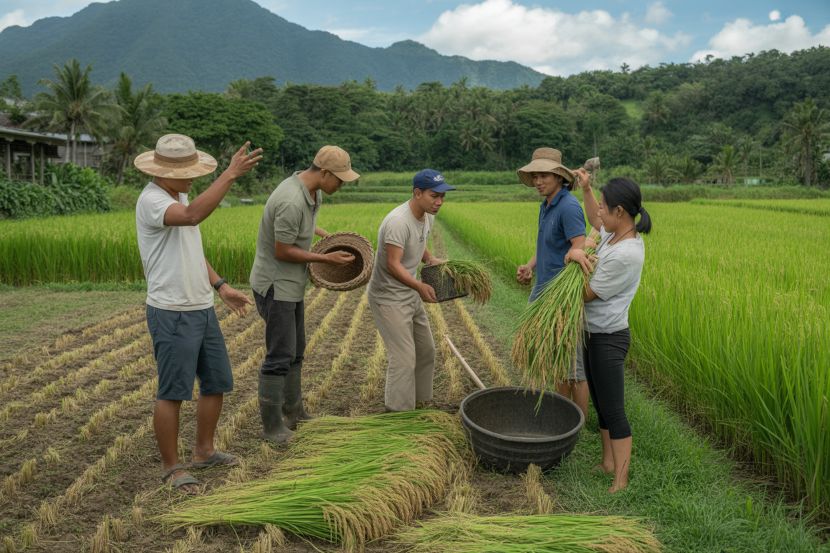
Explore organic rice fields in Central Luzon, where tourists can get involved in harvesting crops or planting seeds with farmers.
Take part in cacao processing workshops in Davao, enjoying chocolate-making demonstrations and tasting sessions of the region’s finest chocolates.
As the plan unfolds, travelers can expect more regions to be incorporated into the farm tourism circuits, expanding their options for unique, educational, and sustainable travel experiences across the country.
What Does This Mean for Travelers?
Farm tourism provides an opportunity for travelers to experience the real Philippines, connecting with local people and contributing to the growth of rural economies. It is a chance for visitors to leave behind the conventional tourist paths and explore areas where the countryside meets culture.
The success of the FTSAP will depend on collaborative efforts between the government and local communities. By ensuring that tourism demand is matched by supply from local farmers, the initiative offers the perfect blend of sustainable tourism and economic development, ensuring long-term benefits for both the agricultural and tourism sectors.
For travelers eager to make a difference with their spending while enjoying unique travel experiences, farm tourism in the Philippines will soon become a must-experience activity. So pack your bags and get ready to experience the agricultural heartland of the Philippines like never before!
The post Philippines’ New Farm Tourism Strategy Unlocks Unique Travel Opportunities in Davao, Luzon, and the Cordilleras, Connecting Tourists with Local Farms – Everything You Need to Know Before You Go appeared first on Travel And Tour World.
Source: travelandtourworld.com



Sorry, the comment form is closed at this time.