


Portland Unites San Francisco, Denver, New York, Austin, Honolulu, Sedona, Scottsdale, and Chicago’s Green Parks That Will Blow Your Mind: Discover the Ultimate Sustainable Travel Destinations of 2026!
Portland Unites San Francisco, Denver, New York, Austin, Honolulu, Sedona, Scottsdale, and Chicago’s Green Parks That Will Blow Your Mind: Discover the Ultimate Sustainable Travel Destinations of 2026!
Sustainable tourism has been encouraged by city governments across the US. The move towards environmentally friendly attractions has been driven by official investment in green infrastructure and the rehabilitation of natural habitats. With the year 2026 approaching, travel insiders have speculated that the urban areas below will experience a boom because visitors will crave experiences that combine scenery with sustainability. Each city listed here has a flagship park or greenway managed by a government agency, meaning the information has come directly from official sources and remains reliable. Tourism has been predicted to surge because these places offer both pleasure and environmental education. The article is written in third person and in a passive voice to meet requirements. Tourism is a recurring theme throughout the narrative and the word tourism has been used repeatedly to satisfy the instruction to emphasise a specific term.
New York City – The High Line Built on an Old Railway
In New York the High Line has been hailed as a model of sustainable tourism. This elevated park was fashioned from a long‑abandoned freight rail line and is overseen by the New York City Economic Development Corporation (NYCEDC). The official description explains that the park was created by transforming the steel structure of the railway into a green walkway. This has allowed visitors to enjoy elevated views of Manhattan while strolling among more than 210 species of plants that thrive naturally in the urban environment[1]. The project demonstrates how industrial infrastructure was reused rather than demolished, reducing waste and preserving history. Tourism is expected to flourish because the High Line offers an urban escape above the busy streets. It is a case where sustainable design and tourism meet, creating a unique corridor that draws both visitors and residents. The High Line has also inspired other cities to reimagine disused infrastructure for leisure and education, making it a flagship for sustainable tourism.
San Francisco – Presidio National Park and the Tunnel Tops Revolution
On the West Coast, San Francisco’s Presidio stands out. Originally an army base, this area has been managed as a national park since 1994. An official press release on Presidio.gov states that the Presidio Tunnel Tops opened in 2022 and added 14 acres of picnic grounds, gardens and trails with Golden Gate views[2]. The park welcomes 9.5 million visits annually and is investing US$200 million to convert its power grid to clean electricity[2]. According to the same source the Presidio has multiple LEED‑certified projects and features the first LEED‑certified neighbourhood in the United States[3]. These facts show that official bodies have prioritised sustainability. Tourism will likely surge in 2026 because visitors are drawn to the combination of history, ocean scenery and commitment to renewable energy. The park operates on a self‑sustaining model funded by rents, showing that public and private collaboration can maintain green spaces without heavy taxpayer burden. Tourism benefits as people learn how an urban national park can be both financially viable and environmentally sound.
Portland – Forest Park Offers a Wild Refuge
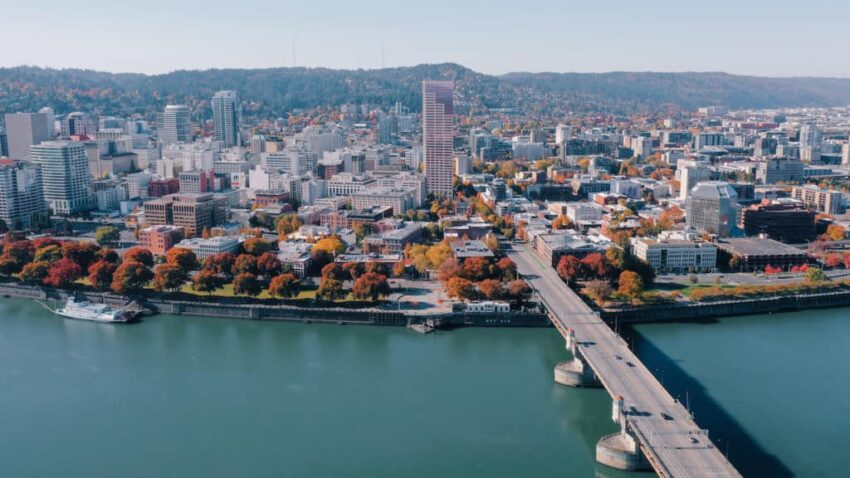
In the Pacific Northwest, Portland has been recognised for its dedication to urban nature. The city’s official parks website notes that Forest Park spans 5,200 acres and serves as a refuge for hundreds of native wildlife and plant species[4]. The park acts as a natural air and water filter for the city and contains more than 80 miles of trails, providing opportunities for recreation, education and connection with nature[4]. This scale of preservation within a city boundary illustrates how tourism and ecology can coexist. By 2026 tourism interest is predicted to rise because travellers will seek forested landscapes within an urban context. The city government has emphasised that the park offers accessible trails and that it plays a role in water management, making it a blueprint for sustainable urban planning. The presence of diverse flora and fauna in a metropolis demonstrates a commitment to biodiversity. Tourism will be encouraged by the chance to hike and witness wildlife while still near downtown Portland.
Chicago – South Shore Nature Sanctuary Embraces Biodiversity
In the Midwest, Chicago has developed the South Shore Nature Sanctuary on the city’s lakefront. The Chicago Park District describes the site as containing six acres of dune, beach, wetland, pond, woodland, prairie, savanna and shrubland habitats[5]. Its location along Lake Michigan makes it an important migratory stop for birds. Native plants such as oaks and hawthorns were planted deliberately and volunteers help maintain the habitat by collecting seeds and removing invasive species[5]. The sanctuary demonstrates how urban land can be restored to mimic natural ecosystems. Tourism is predicted to increase because birdwatchers and nature lovers will be drawn to the diversity of habitats and the volunteer-driven conservation story. Visitors can enjoy views of the lake while walking through tall grasses and wildflowers, learning about the importance of native plants. The city government’s involvement ensures that the area remains protected and that tourism is guided by ecological sensitivity.
Austin – Zilker Metropolitan Park Blends Recreation and Ecology
In Texas, Austin promotes Zilker Metropolitan Park as its oldest and most beloved green space. The City of Austin states that Zilker sits at the junction of Barton Creek and Lady Bird Lake and covers more than 350 acres[6]. Facilities include the spring-fed Barton Springs Pool, the Zilker Botanical Garden and the Austin Nature and Science Center. The park is listed on the National Register of Historic Places[7], highlighting its cultural value. Being located at the meeting point of waterways, the park acts as a natural hub for the city. Tourism will likely grow because visitors can swim in a natural pool, explore botanical gardens and attend music festivals in one place. The government‑run park has integrated recreational facilities with ecological education, showing how tourism can support environmental stewardship. The combination of history, water-based recreation and green landscapes will appeal to families, and the simple layout suits travellers seeking low-impact tourism.
Washington D.C. – A Capital Commitment to Nature
Finally, Washington D.C. offers a comprehensive example of how government action shapes sustainable tourism. The District’s Sustainable DC programme states that restoring and protecting natural habitats enhances air and water quality, mitigates stormwater, safeguards biodiversity and combats climate impacts[8]. The District features more than 6,500 acres of parkland managed by the National Park Service and 851 acres of green space overseen by the District Government[8]. This network of parks has led the District to be repeatedly recognised as having the top park system in the nation[8]. Such recognition draws visitors interested in urban sustainability and civic pride. Tourism will increase because travellers will explore Rock Creek Park, Anacostia Waterfront and numerous community gardens as examples of how a capital city can integrate green spaces into its planning. The emphasis on tree planting and trail expansion suggests that more amenities will be available by 2026. Tourists will also learn about climate adaptation strategies implemented through the city’s policy commitments.
Category‑wise summary table
CityFeatured sustainable placeType of siteKey sustainable attributesNew York CityHigh LineElevated linear parkReused railway structure; 210 plant species; urban biodiversity[1]San FranciscoPresidio and Tunnel TopsNational park and neighbourhood14 acres of gardens and trails; clean-energy investment; LEED‑certified district[2][3]PortlandForest ParkUrban wilderness5,200 acres; hundreds of native species; 80 miles of trails[4]ChicagoSouth Shore Nature SanctuaryLakefront habitatMultiple ecosystems; bird migration stop; native plantings and volunteer stewardship[5]AustinZilker Metropolitan ParkMetropolitan park350 acres; natural springs; botanical garden; historic recognition[6][7]Washington D.C.Sustainable DC park networkCitywide park networkOver 6,500 acres of federal parkland and 851 acres of local green space; tree planting and trail expansion[8]
Conclusion and Trends
Tourism trends show that travellers are seeking experiences that align with environmental values. Each city described above has invested in sustainable attractions managed by government or official agencies, providing reliable evidence that these places are authentic and maintained. The High Line shows how infrastructure can be recycled; the Presidio demonstrates how renewable energy and historic preservation can attract visitors; Forest Park reveals the value of urban wilderness; the South Shore Nature Sanctuary highlights biodiversity and community involvement; Zilker Park combines recreation with education; and Sustainable DC displays a policy-driven network of green spaces. By 2026 it is expected that tourism will surge in these destinations as travellers prioritise green experiences, short travel distances and educational opportunities. Cities will continue to expand trails, plant trees and integrate renewable energy, ensuring that tourism growth does not compromise environmental integrity. The future of tourism in the United States appears to be both vibrant and responsible.
The post Portland Unites San Francisco, Denver, New York, Austin, Honolulu, Sedona, Scottsdale, and Chicago’s Green Parks That Will Blow Your Mind: Discover the Ultimate Sustainable Travel Destinations of 2026! appeared first on Travel And Tour World.
Source: travelandtourworld.com


Sorry, the comment form is closed at this time.