


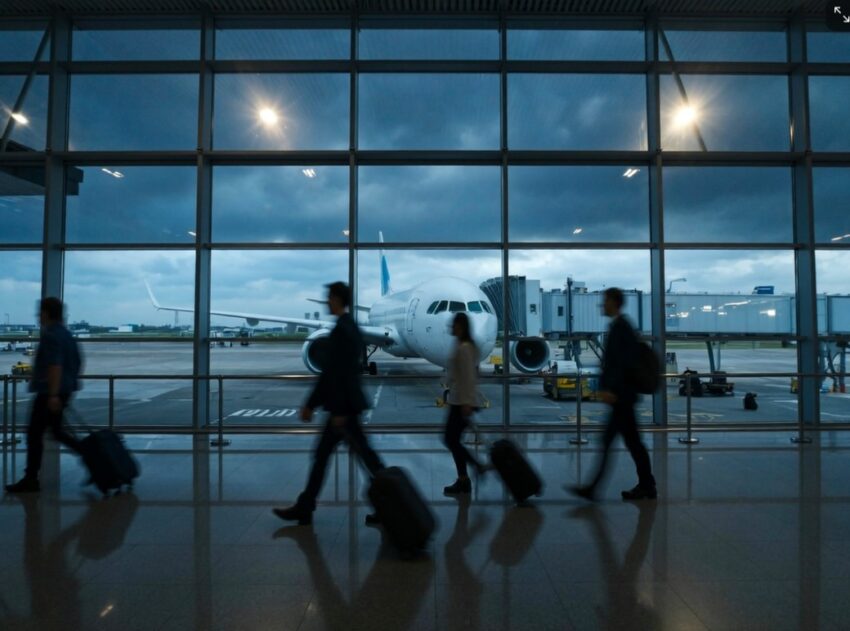
Qantas and Air India Ramp Up Long-Haul Flights as Middle East Crisis Drives Airfares Skyrocketing – What This Means for Travelers!
Qantas and Air India Ramp Up Long-Haul Flights as Middle East Crisis Drives Airfares Skyrocketing – What This Means for Travelers!
As the ongoing conflict in the Middle East continues to disrupt travel plans, Qantas Airways Ltd. and Air India have stepped in to expand their long-haul flight services. With the escalating tensions leading to the suspension of several regional carriers, these two airlines are strategically increasing their international flight operations to meet the rising demand from travelers.
The surge in demand for long-haul flights comes in the wake of air travel disruptions caused by the ongoing conflict, which has led to a significant reduction in available flight options. Airlines from the Middle East, such as Emirates, Qatar Airways, and Etihad Airways, have faced significant setbacks, leading many travelers to seek alternatives. In this volatile environment, Qantas and Air India have responded by enhancing their offerings to ensure that travelers are not left stranded and that their travel plans can continue with minimal disruption.
Qantas Takes Action with Increased Long-Haul Capacity
Qantas, Australia’s flag carrier, has been directly impacted by the flight disruptions resulting from the Middle East crisis. The airline noted a “spike in customers traveling via the US” as passengers are seeking alternative routes to reach their final destinations. In response to the increased demand, Qantas decided to repurpose a spare Airbus A380, originally scheduled for maintenance, to bolster long-haul flight capacity.
The Airbus A380, a double-decker aircraft capable of carrying up to 485 passengers, will now be used for the flight from Sydney to London Heathrow Airport. This flight, set to depart on Saturday, is one of the many measures Qantas has implemented to mitigate the effects of the ongoing disruptions. The decision to use the Airbus A380 highlights the airline’s commitment to maintaining its long-haul network and addressing the surge in demand for travel between Australia and Europe.
Before the Middle East crisis escalated, Qantas had planned to send the A380 to Germany for maintenance. However, due to the unforeseen travel challenges posed by the conflict, the airline has opted to prioritize passenger needs and allocate the aircraft to high-demand international routes instead. The move is part of Qantas’ larger strategy to maintain its competitive edge by ensuring that it continues to offer reliable and frequent long-haul flights, especially on popular routes like Sydney to London.
Air India Increases Long-Haul Capacity to Meet Demand
Similarly, Air India has also recognized the need to ramp up its long-haul flight operations in response to the Middle East conflict. With flights between India and Europe facing increasing demand, the airline has expanded its capacity to accommodate more travelers. By enhancing its flight offerings, Air India aims to capture a larger share of the market, especially as airfares surge due to the scarcity of available flights.
Air India has long been a key player in connecting India to the rest of the world, particularly with its strategic connections to Europe and the Middle East. The airline’s expansion of long-haul flights is expected to help meet the demand created by the disruption in service from Middle Eastern carriers. Air India’s move will not only serve Indian travelers but will also cater to passengers from other parts of Asia and Australia, who are increasingly seeking alternative routes through Indian hubs.
The airline has also made adjustments to its fleet and flight schedules to ensure a seamless travel experience for passengers. By increasing the frequency of its long-haul flights, Air India is positioning itself as a reliable alternative for travelers who would have otherwise relied on Middle Eastern airlines.
The Surge in Airfares: A Consequence of Limited Flight Options
The ongoing disruptions caused by the Middle East conflict have had a direct impact on airfares, with prices surging due to the limited availability of flights. The reduction in the number of available routes has led to higher demand for the remaining options, driving up ticket prices. This has created challenges for travelers, particularly those who had planned to fly with Middle Eastern carriers, who are now seeking alternative routes with airlines like Qantas and Air India.
The rise in airfares is a direct consequence of the limited flight options available due to the conflict. As fewer airlines are flying between key destinations, the demand for available seats has outstripped the supply, leading to a natural increase in prices. Passengers are now facing the difficult decision of paying higher fares or adjusting their travel plans to accommodate longer travel times or additional layovers.
For airlines like Qantas and Air India, this surge in demand presents an opportunity to expand their market share and boost revenue. However, it also presents logistical challenges, as these airlines must ensure that they can handle the increased traffic while maintaining their high standards of service.
Future Outlook: Long-Term Adjustments and Opportunities
While the current surge in long-haul flight demand is largely a result of the ongoing Middle East crisis, it also highlights the growing demand for air travel between Asia, Europe, and Australia. As Qantas and Air India continue to bolster their international operations, they are likely to explore new opportunities to expand their long-haul routes even further.
For Qantas, the potential to expand its services to new European cities and increase its presence on popular routes like Sydney to London is a key opportunity. Similarly, Air India may look to increase its offerings between India and other parts of Asia, Europe, and North America, positioning itself as a key player in the long-haul market.
As airlines navigate the complex landscape of flight disruptions and soaring demand, the long-term adjustments made by carriers like Qantas and Air India will likely shape the future of international travel. The Middle East crisis may have temporarily shaken the aviation industry, but it has also presented opportunities for growth and innovation in the long-haul sector.
Conclusion: A Changing Aviation Landscape Amidst Global Disruptions
The ongoing conflict in the Middle East has created significant challenges for the aviation industry, with Qantas and Air India stepping up to meet the surge in demand for long-haul flights. By increasing their flight capacity and adapting their fleets to meet new travel needs, these airlines are ensuring that travelers have access to essential international routes, despite the ongoing disruptions.
As airfares rise and travel patterns shift, airlines will continue to adapt and innovate to ensure they can meet the growing demand for international flights. The future of long-haul travel may look different as airlines like Qantas and Air India explore new opportunities to connect the world’s major hubs, even in the face of ongoing geopolitical challenges.
The post Qantas and Air India Ramp Up Long-Haul Flights as Middle East Crisis Drives Airfares Skyrocketing – What This Means for Travelers! appeared first on Travel And Tour World.
Source: travelandtourworld.com



Sorry, the comment form is closed at this time.