


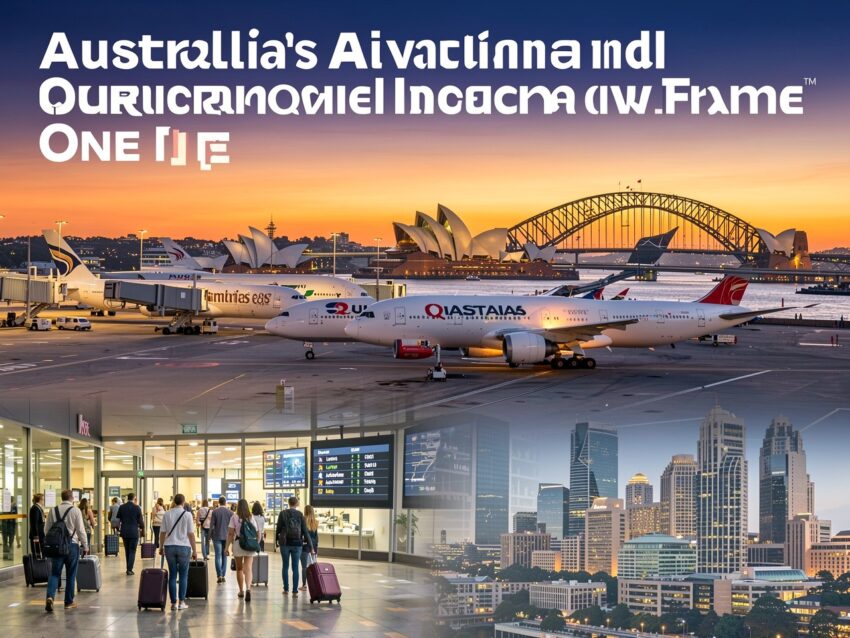
Qantas, Virgin Australia, Air New Zealand, Emirates and Singapore Airlines Brace for Australia’s Aviation Workforce Shift as China, USA, UK and India Travel Surges — Marriott, Hilton and Accor Set for a Tourism Boom You Didn’t See Coming
Qantas, Virgin Australia, Air New Zealand, Emirates and Singapore Airlines Brace for Australia’s Aviation Workforce Shift as China, USA, UK and India Travel Surges — Marriott, Hilton and Accor Set for a Tourism Boom You Didn’t See Coming
Qantas, Virgin Australia and Air New Zealand are standing at the center of Australia’s aviation resurgence as international travel from China, the United States, the United Kingdom and India accelerates, pushing inbound arrivals past 8.4 million short-term visitors in the latest financial year and driving monthly entries above one million during peak periods. International aviation capacity into Australia has rebounded strongly, with seat supply rising significantly through 2024, while tourism GDP has climbed above A$78 billion, reinforcing the sector’s role as a major pillar of the national economy. As global carriers such as Emirates and Singapore Airlines reinforce long-haul connectivity into Sydney, Melbourne, Brisbane and Perth, hotel giants Marriott, Hilton and Accor are positioning for higher occupancy and longer international stays, particularly as forecasts project arrivals could approach 10.9 million annually by 2030 with visitor spending trending toward A$46 billion. Behind the visible growth in flights and hotel bookings lies a crucial but often overlooked factor: aviation workforce capacity, especially licensed maintenance engineers who ensure aircraft are certified, safe and operational, directly influencing schedule reliability and traveler confidence. For tourists planning journeys from Los Angeles, London, Delhi, Auckland or Shanghai, the combination of expanding route networks, stabilizing operations and renewed hospitality investment signals one clear message—Australia’s travel engine is not only running again, it is accelerating with measurable economic momentum.
Qantas, Virgin Australia, Air New Zealand, Emirates and Singapore Airlines Brace for Australia’s Aviation Workforce Shift
Australia’s aviation sector is entering a decisive phase. Airlines are rebuilding capacity. International travelers are returning in strong numbers. Hotels are filling rooms again. Behind the scenes, a new generation of licensed aircraft maintenance engineers is stepping up to support this expansion. The result is a travel revival that stretches from Sydney and Melbourne to Brisbane and Perth. It is reshaping routes, hotel occupancy, and tourism investment across the country.
Recent data shows Australia welcomed more than 8.4 million short-term visitor arrivals in the 2024–25 financial year. Monthly arrivals exceeded one million in late 2025, reflecting sustained momentum. Tourism GDP reached over A$78 billion in 2023–24. International arrivals are forecast to climb toward 10.9 million annually by 2030. Visitor spending is projected to reach around A$46 billion. These are not abstract figures. They translate into more flights, more hotel bookings, and more jobs.
At the heart of this expansion is aviation reliability. Airlines need trained and licensed engineers to keep aircraft in the air. Maintenance capacity directly affects flight frequency, on-time performance, and route growth. As international demand rises from China, the United States, the United Kingdom, India, Japan, Singapore, and South Korea, operational stability becomes a competitive advantage.
This is where the aviation workforce shift matters. More licensed engineers mean fewer aircraft-on-ground events, faster turnarounds, and stronger schedule resilience. For travelers, that means fewer disruptions and more confidence when booking long-haul trips to Australia.
Qantas, Virgin Australia, Air New Zealand, Emirates and Singapore Airlines Expand Australia Routes as China, USA, UK and India Fuel Arrival Growth — Marriott, Hilton and Accor Prepare for Higher Occupancy
Australia’s top inbound markets remain consistent and powerful. New Zealand leads with more than 1.39 million visitors annually. China follows with over 950,000 arrivals. The United States sends more than 700,000 travelers. The United Kingdom contributes around 669,000. India exceeds 450,000 arrivals and continues to grow as a strategic market.
These travelers concentrate heavily in New South Wales, which accounts for more than 37 percent of visitor arrivals. Sydney remains the primary gateway. Melbourne, Brisbane, and Perth follow closely. This distribution shapes airline network decisions.
Qantas operates extensive long-haul services linking Sydney and Melbourne with Los Angeles, Dallas, London, Singapore, and Delhi. Virgin Australia has strengthened domestic connectivity, feeding international partners. Air New Zealand maintains dense trans-Tasman frequencies between Auckland and Australian capitals. Emirates connects Dubai with Sydney, Melbourne, Brisbane, and Perth, providing one-stop access from Europe and the Middle East. Singapore Airlines links Australia to Southeast Asia and Europe via Changi Airport, offering high-frequency connections.
Capacity growth has been measurable. International aviation seats into Australia rose significantly through 2024, reaching more than 25 million seats. Airlines continue restoring and optimizing long-haul aircraft deployment as fleet availability improves.
For travelers, this means broader choices. Non-stop routes from London to Perth reduce travel time between the UK and Western Australia. Direct flights between Delhi and Melbourne or Sydney shorten journeys for Indian visitors. Frequent Los Angeles to Sydney and Brisbane services maintain strong US-Australia connectivity.
Hotels are responding quickly. Marriott, Hilton, and Accor have expanded footprints in Sydney, Melbourne, Brisbane, and Perth. Occupancy rates have improved in line with inbound recovery. International guests tend to stay longer and spend more per night than domestic travelers. That benefits premium and mid-scale segments alike.
Tourism research shows holiday travel remains the largest inbound segment. Education and visiting friends and relatives are also strong contributors. As international arrivals rise, hotel operators are adjusting room inventory and pricing strategies to capture demand.
Qantas, Virgin Australia, Air New Zealand, Emirates and Singapore Airlines Strengthen Operational Stability as China, USA, UK and India Travelers Return — Marriott, Hilton and Accor Benefit from Aviation Reliability
Operational stability is the silent driver of tourism growth. Global aviation bodies have highlighted how maintenance bottlenecks and supply-chain constraints increased airline costs in recent years. Delays in engine overhauls and parts shortages affected capacity worldwide. In response, airlines and regulators have invested in workforce training and certification pathways.
Australia’s licensing framework under civil aviation regulations requires engineers to complete modular exams and practical assessments before certifying aircraft. Scholarships and training programs support this pipeline. A licensed engineer can certify mechanical systems, avionics, or both, depending on endorsement. This responsibility directly impacts flight readiness.
For airlines operating long-haul fleets such as Boeing 787s, Airbus A380s, Airbus A350s, and Embraer E190s, certified maintenance is essential. Faster defect rectification means fewer cancellations. Reliable night-shift line maintenance ensures aircraft depart on time in the morning. This consistency builds traveler confidence.
Travelers planning trips from China, India, the US, or the UK often book months in advance. They connect domestic flights, hotels, tours, and events. A stable aviation system protects these bookings. It reduces last-minute changes that disrupt itineraries.
Hotels benefit indirectly. Fewer flight cancellations mean fewer no-shows. Conference planners feel more confident scheduling events. Tour operators secure group bookings without worrying about systemic disruptions.
Marriott’s presence across luxury and mid-scale brands allows it to capture varied inbound segments. Hilton continues expanding in gateway cities and regional hubs. Accor maintains a broad portfolio across economy to premium properties, appealing to both leisure and business visitors.
The aviation workforce shift therefore supports not just airlines, but the entire visitor economy.
Australia’s Tourism Momentum: 8.4 Million Visitors and Rising
Australia’s inbound recovery is tangible. The country recorded over 8.4 million short-term visitor arrivals in the latest financial year. Monthly figures surpassed one million during peak periods. Tourism GDP exceeded A$78 billion. The sector supports hundreds of thousands of jobs.
International visitor spending remains a cornerstone of the economy. Forecasts indicate arrivals could reach nearly 11 million annually by 2030. Spending may approach A$46 billion. This projected growth demands infrastructure readiness.
Airports have expanded facilities. Sydney Airport continues to modernize terminals. Melbourne Airport is investing in upgrades to accommodate higher volumes. Brisbane and Perth are enhancing passenger flow systems.
Regional tourism also stands to benefit. Improved air reliability encourages travelers to venture beyond gateways. Cairns benefits from reef tourism. Hobart draws cultural and culinary visitors. Adelaide promotes wine regions. The Northern Territory markets adventure and outback experiences.
Hotels are aligning strategies with these trends. Resort-style properties in Queensland expect strong holiday demand from the US and UK. Urban hotels in Sydney and Melbourne attract Indian and Chinese business travelers. Extended-stay brands cater to education and long-stay segments.
Which Countries Drive the Strongest Impact
New Zealand remains Australia’s largest inbound market. Trans-Tasman travel is frequent and resilient. High-frequency services between Auckland and Australian capitals support weekend trips and business travel.
China’s recovery is critical. Before the pandemic, China was Australia’s largest spending market. Current arrival numbers approach one million annually and are trending upward. Direct routes between major Chinese cities and Sydney or Melbourne are central to this growth.
The United States is a high-yield market. American visitors often travel long distances within Australia, boosting domestic air connections and regional hotel stays. Strong air links from Los Angeles, San Francisco, and Dallas maintain connectivity.
The United Kingdom remains historically strong. Non-stop London-Perth services shorten journey times and attract UK holidaymakers to Western Australia. Additional connections via Singapore or the Middle East maintain flexibility.
India represents a rising strategic market. Growing middle-class outbound demand supports routes between Delhi, Mumbai, and Australian cities. Education travel from India also contributes significantly to visitor numbers.
Japan, South Korea, Singapore, Indonesia, and Hong Kong complete the top tier. Each market responds to competitive airfare pricing and stable schedules.
Flight Details and Travel Planning Insights
Travelers from the US can choose multiple non-stop options from Los Angeles to Sydney, Melbourne, and Brisbane. Flight times average 14 to 15 hours. From Dallas to Sydney, ultra-long-haul services provide direct access.
From London, direct flights to Perth take around 17 hours. One-stop services via Dubai or Singapore connect to Sydney and Melbourne.
From Delhi, direct flights to Melbourne and Sydney reduce travel time compared with multi-stop journeys.
From Auckland, flights to Sydney, Melbourne, Brisbane, and Perth operate several times daily, often under four hours.
Tourists should book peak-season travel early, particularly December to February. Shoulder seasons in April and October offer milder weather and competitive rates. Travelers should check visa requirements. Many nationalities require an electronic travel authority before arrival.
Domestic flights are extensive. Qantas and Virgin Australia operate high-frequency routes between major cities. Regional carriers connect remote destinations. Reliable maintenance and scheduling are critical to preserving these networks.
Hospitality Industry Gains and Investment Trends
Marriott, Hilton, and Accor continue expanding portfolios in response to rising inbound demand. Sydney and Melbourne remain primary investment targets. Brisbane prepares for increased global exposure ahead of major international events later in the decade.
Occupancy rates have trended upward as international visitors return. Premium properties benefit from long-haul leisure travelers. Mid-scale and economy brands capture family and group travel segments.
International guests typically stay longer than domestic visitors. This boosts average daily rates and total revenue per available room. Hospitality employment rises alongside demand.
Airline stability directly supports these gains. When flights operate consistently, hotels can forecast occupancy accurately. Event planners can confirm bookings months ahead.
Why the Aviation Workforce Matters to Tourists
Travelers often focus on airlines and hotels. Yet licensed engineers ensure aircraft are safe and ready. Each certified maintenance action supports the broader tourism ecosystem.
As global demand rises, countries that invest in aviation workforce development gain resilience. Australia’s emphasis on certification and training strengthens confidence among international visitors.
For travelers, this translates into smoother journeys. Fewer cancellations. More predictable itineraries. Stronger connections between international arrivals and domestic adventures.
Australia’s tourism revival is not accidental. It reflects coordinated growth in aviation, hospitality, and infrastructure. Airlines are restoring routes. Hotels are expanding portfolios. Visitors are returning from New Zealand, China, the United States, the United Kingdom, India, Japan, and beyond.
The next phase will depend on operational excellence. With international arrivals forecast to climb toward 11 million annually, reliability becomes essential. Maintenance capacity supports that reliability. It sustains tourism GDP. It strengthens jobs. It enhances traveler experience.
Qantas, Virgin Australia and Air New Zealand are powering Australia’s travel resurgence as arrivals from China, the United States, the United Kingdom and India push inbound numbers beyond 8.4 million and strengthen international air capacity. With tourism contributing over A$78 billion to the economy and visitor forecasts climbing toward 10.9 million annually by 2030, airlines and hotel giants like Marriott, Hilton and Accor are gearing up for a new era of sustained growth.
Australia’s skies are busy again. Aircraft depart on time. Hotels welcome global guests. Tourism momentum builds. For travelers planning their next long-haul adventure, the message is clear. Australia is open, connected, and ready.
The post Qantas, Virgin Australia, Air New Zealand, Emirates and Singapore Airlines Brace for Australia’s Aviation Workforce Shift as China, USA, UK and India Travel Surges — Marriott, Hilton and Accor Set for a Tourism Boom You Didn’t See Coming appeared first on Travel And Tour World.
Source: travelandtourworld.com



Sorry, the comment form is closed at this time.