


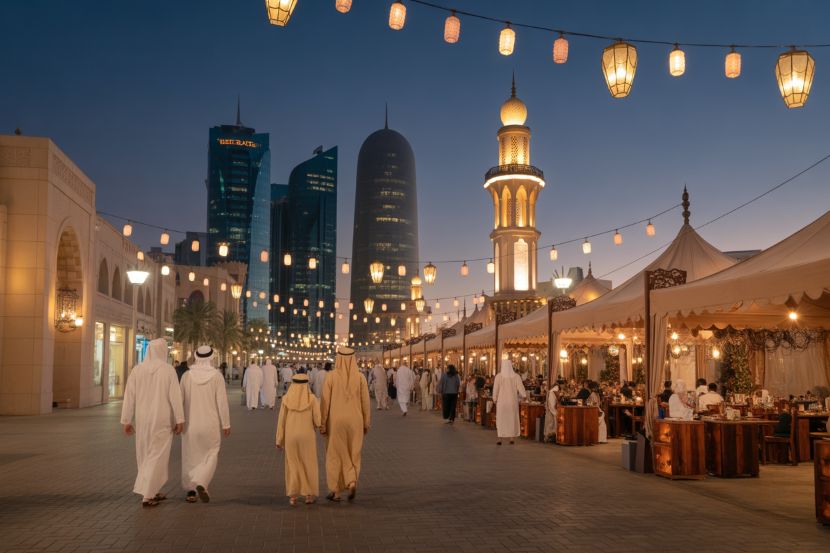
Qatar Elevates Ramadan 2026 Across Doha Skyline, Msheireb Downtown, Souq Waqif And Lusail Stadium With Cultural Showcases And Sporting Nights Attracting Visitors From Saudi Arabia, UAE And Beyond — Essential Insights For Travelers
Qatar Elevates Ramadan 2026 Across Doha Skyline, Msheireb Downtown, Souq Waqif And Lusail Stadium With Cultural Showcases And Sporting Nights Attracting Visitors From Saudi Arabia, UAE And Beyond — Essential Insights For Travelers
Qatar From Doha To Katara and Lusail Unveils Ramadan 2026 Cultural Nights, Stadium Sports Spectacles and Family Festivals Drawing Global Travelers to the Gulf signals how the holy month has been transformed into a dynamic period for travel and tourism across the Middle East. During Ramadan 2026, the nation is not only observing a sacred time of reflection but also curating a wide spectrum of cultural showcases, night markets, sporting tournaments, and family-focused celebrations that are attracting visitors from across the Gulf region, Europe, and Asia.
From the illuminated skyline of Doha to the heritage pathways of Souq Waqif, the waterfront charm of Katara Cultural Village, and the futuristic avenues of Lusail, Ramadan evenings are being activated with immersive experiences. These events highlight how Qatar is positioning itself as a destination where spirituality, entertainment, and hospitality intersect seamlessly—offering travelers a distinctive perspective on the region’s traditions while maintaining world-class infrastructure.
A Nation Glowing After Sunset: Ramadan Nights Reinvented for Travelers
As daytime rhythms slow during Ramadan, Qatar’s urban and cultural districts come alive after sunset. The breaking of the fast is followed by bustling night activity, creating a travel experience unlike any other time of year.
Across Doha, decorative lighting installations, themed bazaars, and extended mall hours have reshaped the city into a nocturnal hub. Souq Waqif, one of the capital’s most visited heritage markets, is witnessing increased footfall as families and international visitors explore traditional garments, handicrafts, spices, and Qatari cuisine late into the night.
Meanwhile, Katara Cultural Village has curated Ramadan-themed programming that blends performing arts, heritage workshops, and community gatherings. Cultural displays celebrating Qatari identity are being staged in open-air venues, making it easier for tourists to participate and learn about local customs.
For visitors, this means that evenings extend well past midnight, offering more opportunities to explore safely within a well-managed tourism environment.
Stadium Lights and Sporting Spirit: Competitive Energy During the Holy Month
Qatar’s strong sporting identity continues even during Ramadan. Stadiums and sports complexes across the country are hosting evening tournaments and community competitions that draw both residents and international spectators.
From football and padel to fitness challenges and youth competitions, sporting events are being scheduled after iftar to align with cultural practices. Facilities in Lusail and across Doha’s sports districts have been adapted to accommodate nighttime audiences.
This blend of athletic engagement and cultural reverence reinforces Qatar’s post-World Cup positioning as a sports tourism powerhouse. Travelers seeking active experiences during Ramadan can witness competitive matches in cooler evening temperatures while enjoying festive surroundings.
Family-Centric Celebrations Across Urban Districts
Ramadan in Qatar is not solely about prayer and reflection; it is also about togetherness. Public spaces across Doha, Al Wakrah, and Lusail are hosting family-friendly programs that include storytelling sessions, educational workshops, children’s activities, and traditional craft demonstrations.
Shopping malls have also become vibrant evening gathering points, with extended operational hours allowing families and visitors to dine, shop, and participate in themed events comfortably. Hotels are offering specially curated iftar and suhoor packages, which have become a major attraction for regional travelers from neighboring Gulf countries.
For international tourists unfamiliar with Ramadan customs, hospitality teams across Qatar are providing guidance on respectful travel practices, ensuring that visitors can engage meaningfully without cultural misunderstandings.
Spiritual Tourism: Mosques and Heritage Experiences
Ramadan presents a unique opportunity for travelers interested in religious and cultural tourism. Prominent mosques across Qatar, including those in Doha’s Education City district and near the Corniche, are welcoming worshippers and visitors.
While non-Muslim tourists are encouraged to observe respectfully, many cultural centers provide educational tours explaining Ramadan traditions, the significance of fasting, and Qatari hospitality customs. This educational layer enriches the travel experience, turning a holiday into a cultural immersion.
The emphasis on inclusivity and structured visitor engagement ensures that Ramadan tourism remains sensitive while still accessible.
Travel Tips for Experiencing Ramadan 2026 in Qatar
Plan Around Sunset Energy Surges
Travelers are advised to adjust schedules, as activity intensifies after sunset. Restaurants, markets, and entertainment venues reach peak vibrancy in the evening hours.
Dress Respectfully Yet Comfortably
Modest clothing is recommended in public areas. Lightweight fabrics are ideal due to Qatar’s warm climate.
Reserve Iftar Experiences Early
Hotels and high-end restaurants in Doha and Lusail are witnessing strong demand for Ramadan dining packages. Early reservations are recommended.
Explore Night Markets and Cultural Corners
Visiting heritage sites like Souq Waqif and cultural hubs such as Katara Cultural Village offers deeper insight into Qatari traditions during Ramadan.
Hospitality Sector Gains Momentum
The hospitality industry in Qatar is leveraging Ramadan 2026 to strengthen its tourism positioning. Luxury hotels along the Doha Corniche, boutique properties in Msheireb Downtown Doha, and resorts near Al Wakrah are introducing themed décor, live cooking stations, and curated dining experiences.
Ramadan tents—temporary, elaborately decorated venues—have become particularly popular. These spaces blend traditional design elements with contemporary comfort, attracting both residents and international visitors.
Regional connectivity through Hamad International Airport continues to facilitate easy access for travelers from Europe, Asia, and other Middle Eastern countries. Qatar’s visa policies, including visa-on-arrival options for many nationalities, are further supporting inbound tourism during this period.
Cultural Diplomacy and Global Appeal
Ramadan 2026 is also reinforcing Qatar’s broader soft power strategy. By opening its cultural programming to international audiences, the country is strengthening cross-cultural dialogue.
Visitors from Saudi Arabia, United Arab Emirates, Kuwait, and Bahrain are traveling to Qatar for weekend getaways, while European and Asian tourists are increasingly including Ramadan experiences in their itineraries.
This convergence of regional and global visitors illustrates how religious observances can coexist with destination marketing strategies—when handled thoughtfully.
Why Ramadan Travel to Qatar Is Rising
Several factors are contributing to Qatar’s growing Ramadan tourism appeal:
Advanced infrastructure developed post-World Cup
Seamless airport connectivity
Strong hospitality standards
A curated calendar of cultural and sporting events
Safe and family-friendly environments
The combination of spirituality, entertainment, and accessibility has created a compelling travel proposition.
The Ramadan Travel Landscape Beyond 2026
As Qatar continues to refine its tourism strategy under national development goals, Ramadan is emerging as a high-impact seasonal attraction. With continued investment in cultural programming and sports infrastructure, the holy month is evolving into a signature travel period rather than a quiet tourism season.
For global travelers seeking authenticity without sacrificing comfort, Qatar’s Ramadan 2026 experience—from Doha’s illuminated skyline to the cultural pulse of Katara and the modern vibrancy of Lusail—offers a rare blend of tradition and contemporary flair.
The post Qatar Elevates Ramadan 2026 Across Doha Skyline, Msheireb Downtown, Souq Waqif And Lusail Stadium With Cultural Showcases And Sporting Nights Attracting Visitors From Saudi Arabia, UAE And Beyond — Essential Insights For Travelers appeared first on Travel And Tour World.
Source: travelandtourworld.com



Sorry, the comment form is closed at this time.