


Record Breaking 1.44 Million Tourists Visit Mauritius in 2025, Driving Growth in Non Hotel Accommodations: You Need To Know
Record Breaking 1.44 Million Tourists Visit Mauritius in 2025, Driving Growth in Non Hotel Accommodations: You Need To Know
In 2025, Mauritius achieved a record-breaking milestone, welcoming 1.44 million tourists, marking a significant achievement in its tourism sector. This surge in visitors is not only a testament to the island’s appeal as a global destination for leisure and luxury but also highlights a pivotal shift in the accommodation sector. As international tourist numbers soared, the non-hotel accommodation market saw substantial growth, becoming a key driver of the island’s tourism economy. The rise in seasonal rentals, villas, and apartments reflects changing tourist preferences, where longer stays and more personalized experiences are becoming the norm. This growth in non-hotel accommodations is helping to diversify the island’s offerings, further cementing Mauritius’ status as a top destination for tourists seeking both relaxation and cultural immersion. This represents a 3.9% increase over the previous year, generating a record Rs 103.4 billion in tourism receipts. These figures demonstrate the island’s strong recovery post-pandemic, confirming its status as a top global destination for leisure, luxury, and natural beauty.
However, a new trend is emerging alongside this surge in visitor numbers the rapid growth of Mauritius’ non-hotel accommodation sector, which includes villas, apartments, and seasonal rentals. According to the “Hospitality Industry Report 2026” by AXYS, this shift is reshaping the landscape of Mauritian tourism, creating new opportunities for the economy while catering to changing tourist preferences.
The Dual Impact of Non-Hotel Accommodation
While hotel guests spend more per visit, with an average of Rs 81,300 per stay, those choosing non-hotel options spend Rs 39,600 on average. Despite the lower expenditure per person, non-hotel visitors tend to stay longer, with an average stay of 15 nights compared to just 9.1 nights for hotel guests. This extended stay enhances their economic impact, as the longer visits result in more spending on local services such as dining, activities, transport, and shopping.
The multiplier effect is substantial – every rupee spent by a non-hotel guest circulates more widely within the local economy, approximately twice as much as that of hotel guests. This demonstrates the broader impact that non-hotel accommodations can have, as these visitors contribute significantly to a wider range of sectors beyond just accommodation.
Unparalleled Hospitality and Breathtaking Attractions: Why Mauritius Is a Must-Visit Destination for International Tourists
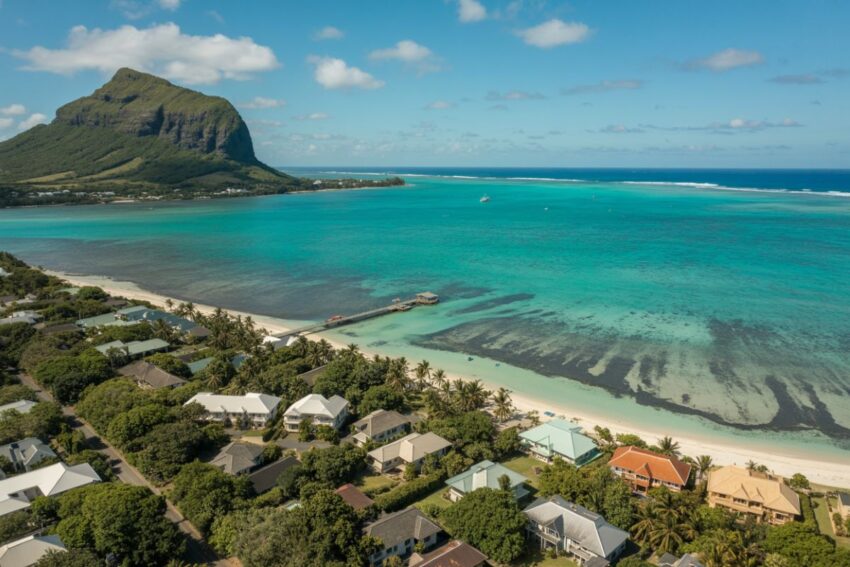
Mauritius is renowned for its world-class hospitality and its ability to offer an unforgettable experience to tourists from all corners of the globe. The island’s warm and welcoming atmosphere, combined with its rich cultural heritage, makes it a premier choice for those seeking both relaxation and adventure. From the moment visitors step off the plane, they are greeted with the island’s signature friendliness, where locals go out of their way to ensure a comfortable and memorable stay. Whether it’s the luxurious resorts that line the coastline, the charming boutique hotels nestled in lush surroundings, or the vibrant local guesthouses, Mauritius provides a wide array of accommodation options to suit every traveler’s needs. The island is home to some of the world’s most pristine beaches, with turquoise waters perfect for relaxation or water sports. Beyond the beach, Mauritius also boasts stunning natural wonders like the Black River Gorges National Park, offering breathtaking hiking trails, and the famous Seven Colored Earths, a geological marvel that leaves visitors in awe. The island’s vibrant cultural diversity, with its blend of Indian, African, French, and Chinese influences, is reflected in its cuisine, festivals, and daily life, making Mauritius a true melting pot of experiences. From exhilarating outdoor activities like diving, hiking, and fishing to discovering local traditions and exploring charming towns, Mauritius offers a unique and diverse experience that consistently draws international tourists looking for both adventure and serenity.
Untapped Potential in the Sector
Despite this positive impact, the non-hotel accommodation sector is still underutilized. The occupancy rate of these accommodations stands at only 45.6%, while hotels boast an occupancy rate of 84%. With over 8,100 rooms available in this sector, the theoretical capacity could cater to around 376,000 tourists annually. However, recent figures show that only 171,000 tourists utilized non-hotel accommodations, leaving a significant gap in potential demand.
There is room for growth without the need for large-scale development projects. Improvements in marketing, service quality, and minor infrastructure upgrades could easily attract an additional 100,000 visitors. This would generate an estimated Rs 4 billion in additional revenue, equating to approximately 4% of Mauritius’ total tourism earnings. A conservative plan suggests that with a 10% increase in room availability and a 5% rise in revenue per visitor due to better services, the sector could see an additional Rs 2.1 billion annually. Crucially, this growth can be achieved without overburdening the island’s infrastructure.
A New Pillar for Mauritian Tourism
Non-hotel accommodation is not just a passing trend but a fundamental part of the evolving Mauritian tourism model. With nearly 20,000 rooms in the sector, non-hotel options contribute Rs 20 billion annually to the economy. This growing segment now serves a diverse range of travelers, many of whom seek authentic, local experiences rather than the standard luxury resort offerings. Whether staying in a villa or renting an apartment, tourists are increasingly drawn to accommodations that offer autonomy and a deeper connection with local culture.
The rise of short-term rentals has been particularly influential. The Association of Seasonal Rental Actors (AALSIM), which represents owners, operators, and managers in this sector, recognizes that this shift is central to Mauritius’ tourism development. The association’s president, Mathieu Appassamy, highlighted how short-term rentals are becoming a structural pillar of the tourism industry, catering to the evolving preferences of today’s global travelers.
Government Support and Regulation
Recognizing the sector’s potential, the Mauritian government has taken steps to support its growth. Junior Minister of Tourism Sydney Pierre has emphasized the importance of non-hotel accommodations in driving the island’s tourism economy. He acknowledged the sector’s strong multiplier effect and called for improved regulatory frameworks to ensure the safety and quality of these accommodations. Pierre also pointed out the importance of streamlining administrative procedures and permits for property owners to ensure a more efficient and professional approach to the growing sector.
To facilitate this, AALSIM has taken a more proactive role, establishing a permanent bureau to better represent the interests of the industry. Daren Moodely, the Director General of AALSIM, is leading efforts to gather reliable data and promote stronger collaboration with authorities. This institutionalization aims to standardize the sector, ensuring that seasonal rentals can thrive while maintaining high quality standards for both property owners and visitors.
A Sustainable and Inclusive Tourism Future
As Mauritius continues to grow its tourism sector, the rise of non-hotel accommodations offers a promising avenue for diversification and sustainability. By focusing on extending stays and improving services, the island can leverage its existing capacity to accommodate more visitors. These efforts can promote sustainable growth, benefit local communities, and meet the changing demands of today’s travelers.
Mauritius’ tourism future is increasingly shaped by this shift towards more flexible, personalized accommodation options. As the island builds on its record-breaking 2025 tourism figures, further professionalization and regulation of non-hotel accommodations will be key to achieving even greater success. The non-hotel sector is no longer just a supplementary option – it is a core part of the island’s tourism story, offering travelers unique, authentic experiences that are central to the future of Mauritian tourism.
Conclusion
In 2025, Mauritius achieved a record-breaking milestone by welcoming 1.44 million tourists, a testament to its enduring appeal as a top global destination. This surge in visitor numbers has not only reaffirmed the island’s status in the global tourism landscape but has also played a significant role in driving growth in the non-hotel accommodation sector. As tourists increasingly seek authentic, flexible, and culturally immersive experiences, non-hotel options such as villas, apartments, and seasonal rentals have gained traction, contributing to the overall expansion of the island’s tourism economy.
This growth is further amplified by the extended stays of non-hotel visitors, whose longer visits result in greater local spending and a robust multiplier effect, benefiting various sectors of the economy. With the Mauritian government’s proactive support and continued investment in regulation, the non-hotel accommodation sector is well-positioned to capture even more of the island’s growing tourism market. As Mauritius continues to break records and cater to the evolving needs of travelers, its tourism sector is becoming increasingly diversified, ensuring sustainable growth and broadening its economic impact across the island.
The post Record Breaking 1.44 Million Tourists Visit Mauritius in 2025, Driving Growth in Non Hotel Accommodations: You Need To Know appeared first on Travel And Tour World.
Source: travelandtourworld.com

Sorry, the comment form is closed at this time.