


Rottnest Island: Exploring the Dark Tourism and Colonial Prison Legacy of Wadjemup, Australia
Rottnest Island: Exploring the Dark Tourism and Colonial Prison Legacy of Wadjemup, Australia
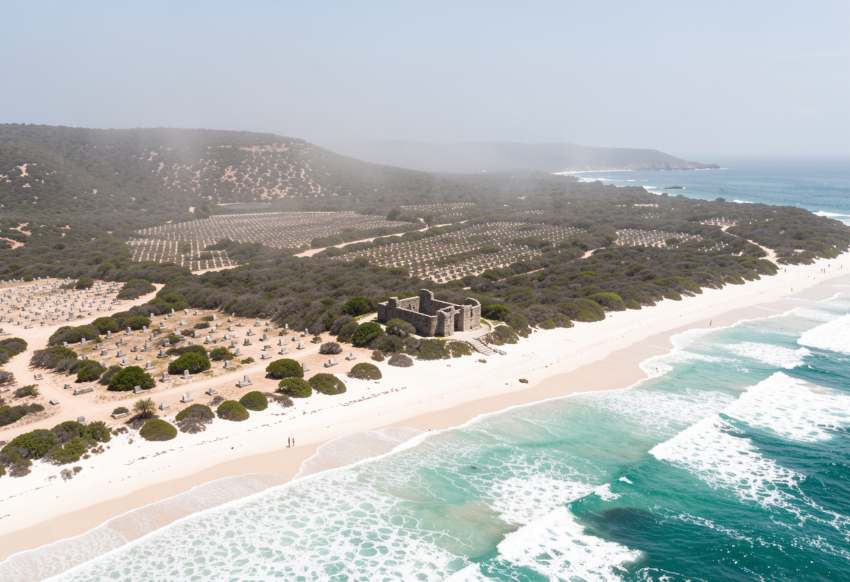
Rottnest Island, with its shimmering turquoise waters and pristine white sands, has long been regarded as the crown jewel of Western Australian tourism. The island, known to the Whadjuk Noongar people as Wadjemup, is frequently viewed by tourists as a place of carefree leisure and wildlife encounters. However, a sombre story is hidden within the limestone and salt of this land, one that is gradually being brought to the forefront of public consciousness. For nearly a century, this perceived paradise was a source of deep suffering and systemic dispossession. The contrast between the island’s natural beauty and its carceral past is stark, as the ground on which visitors walk is imbued with the memory of thousands of Aboriginal men and boys who were once imprisoned there against their will.
A Fortress of Incarceration
The colonial transformation of the island began in 1838 when it was designated as a penal establishment for Aboriginal prisoners. Between 1838 and 1931, it is estimated that over 4,000 Aboriginal individuals were forcibly transported to Wadjemup from across the vast expanse of Western Australia. This era was defined by a policy of segregation and forced labour, where prisoners were utilized to construct the island’s infrastructure, much of which still stands today. The infamous circular building known as the “Quod” was erected by these men to serve as their own prison. Within its cramped, unventilated cells, dozens of individuals were often confined in deplorable conditions. The island was effectively a place of exile, where the traditional connection to Country was severed, and the spirits of the incarcerated were tested by isolation and hardship.
The Tragedy of the Unmarked Graves
Perhaps the most harrowing aspect of the island’s history is the legacy of the Wadjemup Aboriginal Burial Ground. It has been documented by historical records and modern archaeological surveys that at least 373 Aboriginal men and boys died during their period of incarceration. These deaths were often the result of introduced diseases, malnutrition, and the psychological toll of imprisonment. For decades, these individuals were interred in unmarked graves within an area that would later be used—with tragic irony—as a public camping ground. Known for years as “Tentland”, this site saw generations of vacationers pitching tents and sleeping directly above the remains of those who had perished in custody. This desecration of a sacred resting place remained largely unaddressed by the broader public until recent movements for truth-telling began to gain momentum.
The Quod: From Prison to Luxury and Back
The architectural history of the island reflects a deliberate effort to obscure its darker chapters. Following the closure of the prison in 1904, the Quod was repurposed into holiday accommodation, eventually serving as a hostel and hotel. The transformation of a site of systemic trauma into a place of commercial hospitality is viewed by many as a poignant symbol of colonial erasure. Throughout the 20th century, the brutal realities of the “Black Man’s Grave”—as the island was sometimes referred to in 19th-century newspapers—were largely omitted from the tourist narrative. Visitors were encouraged to enjoy the scenic vistas and the famous quokkas, while the screams of the past were muffled by the sounds of the surf and the laughter of tourists.
A Modern Path Toward Reconciliation
A significant shift in the management and interpretation of the island has been initiated in recent years through the Wadjemup Project. This state-led initiative is being guided by Aboriginal Elders and the Whadjuk Cultural Authority to ensure that the history of the island is presented with honesty and respect. Truth-telling is being prioritized as a foundational step toward healing. In 2024 and 2025, extensive ground-penetrating radar surveys were conducted to accurately map the boundaries of the burial ground, ensuring that no further disturbances occur. The intrusive holiday units that once abutted the burial site have been demolished, and a permanent memorial is currently being developed to honour those who never returned to their ancestral lands.
The Role of the Spirit Trail
The cultural significance of Wadjemup to the Noongar people predates its use as a prison by thousands of years. In traditional belief, the island is known as the “place across the water where the spirits go to rest”. It is considered a transitional point between the physical and spiritual worlds. The current efforts to memorialize the prison era are seen as a way to allow those “trapped” spirits to finally find peace. Ceremonies such as the Wadjemup Wirin Bidi (Spirit Trail) have been performed to facilitate cultural healing and to acknowledge the intergenerational trauma that still affects Aboriginal communities across the state. By integrating these stories into the visitor experience, the island is being redefined not just as a playground, but as a site of national heritage and reflection.
Traveling with Awareness
For the modern traveller, a visit to Wadjemup now requires a dual perspective. The natural wonders of the island can still be appreciated, but they must be viewed through the lens of its complex history. Visitors are being encouraged to engage with the Wadjemup Museum and to participate in Aboriginal-led tours that provide a more comprehensive understanding of the land. The island is no longer being presented as a hollow paradise; instead, it is being recognized as a place of immense cultural depth and historical gravity. As the memorialization work continues toward its expected completion in late 2026, the silence that once surrounded the unmarked graves is being replaced by a chorus of voices demanding that the truth be told.
A Legacy Reclaimed
Wadjemup’s story is a powerful reminder of the importance of historical transparency in reconciliation efforts. While the turquoise horizon remains as alluring as ever, the shadows of the past cannot be ignored. A new narrative is being written thanks to the efforts of the Government of Western Australia and the Aboriginal community—one in which the ancestors’ suffering is acknowledged and their resting places are finally treated with the dignity they deserve. The island stands today as a testament to resilience, providing a unique opportunity for all visitors to reflect on the past while looking forward to a more inclusive and respectful future.
The post Rottnest Island: Exploring the Dark Tourism and Colonial Prison Legacy of Wadjemup, Australia appeared first on Travel And Tour World.
Source: travelandtourworld.com



Sorry, the comment form is closed at this time.