


Russia, China, South Korea & Japan Flock to North Korea’s Masikryong Ski Resort: Is This the Future of Tourism Amid Sanctions?
Russia, China, South Korea & Japan Flock to North Korea’s Masikryong Ski Resort: Is This the Future of Tourism Amid Sanctions?
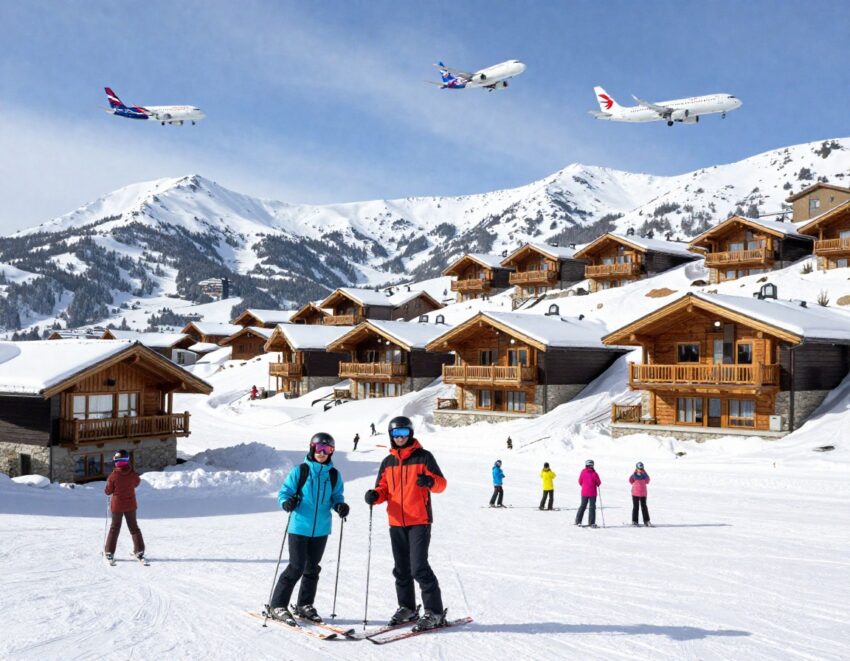
Russia, China, South Korea, and Japan are flocking to North Korea’s Masikryong Ski Resort, sparking global curiosity and challenging the notion of tourism in a country often shrouded in mystery. Despite ongoing international sanctions, this once-hidden gem in Wonsan has rapidly evolved into one of East Asia’s most intriguing winter destinations, drawing visitors from these key nations eager to experience its unique combination of world-class skiing, secluded luxury, and rare access to the isolated country. Masikryong, with its pristine slopes and state-of-the-art facilities, is not only enticing adventurous travelers but also challenging the global travel industry to reconsider what’s possible in a country known for its political and economic isolation. As airlines and hospitality giants pivot to meet the growing demand, Russia’s Aeroflot, China Eastern Airlines, and others are unlocking direct routes to Pyongyang and Wonsan, offering tourists exclusive access to this extraordinary destination. Meanwhile, major hotel chains are exploring new opportunities in the country, ready to cater to international visitors seeking something entirely different from the typical ski vacation. The unexpected rise of North Korea’s tourism industry, especially in a sector like skiing, which is typically dominated by established European and North American resorts, is not just a story of snow-capped mountains but a testament to the changing dynamics of global tourism, driven by geopolitical shifts and an increasing desire to experience the unconventional.
Russia, China, South Korea & Japan Flock to North Korea’s Masikryong Ski Resort: Is This the Future of Tourism Amid Sanctions?
North Korea’s Masikryong Ski Resort, nestled in the scenic mountains of Wonsan, has been making waves as one of the most intriguing tourism spots in East Asia. As international interest grows, tourists from Russia, China, South Korea, and Japan are now flocking to this North Korean ski haven. Despite the challenging political climate and ongoing international sanctions, the resort has carved out a niche, attracting visitors seeking both adventure and a rare peek into one of the world’s most enigmatic destinations. This article delves into the future of tourism in North Korea, examining how major airlines, the hospitality sector, and international tourists are contributing to the resurgence of the Masikryong Ski Resort.
Russia & China Lead the Charge in North Korea’s Ski Tourism
For years, tourism to North Korea was largely limited to a small group of foreign visitors, primarily journalists, diplomats, and those with specialized permits. However, since the reopening of borders in 2024, Russia and China have played pivotal roles in driving tourist traffic to the country.
Russia, in particular, has led the way in making the Masikryong Ski Resort a must-visit destination for winter sports enthusiasts. With Russian tour operators offering attractive ski packages, thousands of Russian tourists have already visited North Korea, with estimates suggesting around 4,000 visitors in early 2024 alone. This figure is expected to grow exponentially over the next few years as tourism infrastructure in North Korea continues to improve.
China, too, remains a key player in the revival of North Korea’s tourism industry. Historically, China has been the largest source of foreign visitors to North Korea, and this trend is expected to continue. The proximity of the two countries, coupled with deep political and economic ties, makes North Korea an attractive option for Chinese travelers. Tourists from China are especially drawn to the resort’s natural beauty and its relatively secluded, peaceful atmosphere, offering a unique experience away from the crowds typical of other popular ski destinations.
South Korea & Japan: A Growing Interest Despite Political Tensions
While South Korea and Japan have historically had limited engagement with North Korea due to political and diplomatic challenges, recent developments show an increased interest in the Masikryong Ski Resort from these nations. South Korean tourists, in particular, have always held a fascination with North Korea, and Masikryong has become a symbol of the North’s attempt to engage with the outside world. A few select groups from South Korea have been allowed to visit North Korea, particularly for joint training events in sports like skiing and figure skating. This development signifies a potential thaw in inter-Korean relations, which could ultimately lead to more South Korean tourists exploring the resort in the future.
Japan, though more politically cautious, has seen a modest rise in interest from its citizens. The allure of experiencing something unique, coupled with the growing interest in North Korea’s developments, has led to an increase in Japanese tourists looking to visit the Masikryong Ski Resort. However, the numbers from Japan are still relatively low compared to Russia and China.
The Role of Airlines in North Korea’s Tourism Expansion
As the Masikryong Ski Resort grows in popularity, airlines are quickly adapting to meet the rising demand. Russian and Chinese airlines are the primary carriers offering direct flights to North Korea, with Aeroflot, China Eastern Airlines, and Air Koryo playing key roles in providing transportation to Pyongyang and Wonsan, the nearest airport to the resort.
Aeroflot, Russia’s flagship airline, has been instrumental in facilitating travel between Russia and North Korea. Aeroflot offers seasonal flights that connect Moscow with Pyongyang, providing an easy route for Russian tourists heading to the ski resort. For Russian travelers, Aeroflot’s services are seen as a convenient and reliable way to access North Korea’s most coveted tourist destinations.
China Eastern Airlines, another major player in the region, has been offering flights between Beijing and Pyongyang, as well as direct flights from other major Chinese cities like Shanghai. These flights cater primarily to Chinese tourists, who make up a significant portion of the resort’s visitor base. China Eastern has established a solid reputation for offering affordable and comfortable flights to Pyongyang, making it a popular choice for Chinese tourists seeking a ski getaway in North Korea.
Meanwhile, Air Koryo, North Korea’s national airline, operates limited domestic flights within the country, connecting Pyongyang with other key tourist regions like Wonsan. While Air Koryo’s fleet is smaller and less modern compared to its Russian and Chinese counterparts, it still provides vital domestic links for tourists traveling to the Masikryong Ski Resort.
Given the political and logistical challenges that come with traveling to North Korea, these airlines are essential to the growing tourism sector. They are offering more frequent flights, special packages, and even charter services to cater to the increasing number of tourists eager to explore the Masikryong Ski Resort.
Hospitality Industry: The Rise of Luxury and Secluded Getaways
The Masikryong Ski Resort, which opened in 2013, was a bold statement by North Korea’s leadership, showcasing the country’s ambition to develop a world-class tourism destination. The resort spans 30,000 square meters and offers ten slopes catering to beginner, intermediate, and advanced skiers. For many, this is a rare chance to experience winter sports in a secluded and politically unique environment.
The resort itself is designed to appeal to tourists seeking luxury and relaxation. It boasts a five-star hotel equipped with modern amenities, including swimming pools, massage rooms, general stores, and medical facilities. The Masikryong Hotel is central to the resort’s appeal, providing a comfortable base for visitors after a day on the slopes. While North Korea’s international hotel scene is still developing, the Masikryong Hotel stands out as one of the few luxury properties in the country.
In addition to the Masikryong Hotel, there are plans for further hospitality infrastructure, with new hotels, resorts, and recreational facilities expected to open in the coming years. These developments are aimed at catering to the growing number of international tourists and meeting global standards in hospitality.
The hotel and resort experience at Masikryong is more than just a place to stay; it’s part of a larger strategy to offer a unique vacation experience. Tourists can enjoy activities like snowmobiling, ice skating, and scenic cable-car rides, all while surrounded by North Korea’s unspoiled natural beauty. This combination of winter sports, luxury accommodations, and seclusion has made the resort a sought-after destination for Russian and Chinese travelers, in particular.
Travel Tips for Visiting the Masikryong Ski Resort
While visiting the Masikryong Ski Resort can be a once-in-a-lifetime experience, it’s important for travelers to be prepared. North Korea has strict regulations for tourists, and visitors must adhere to all rules and guidelines set by their tour operators and government officials. Here are a few essential travel tips to help ensure a smooth trip to this unique destination:
Book Through Official Tour Operators: North Korea requires all tourists to travel with an approved tour operator. Independent travel is not allowed, and all tours must be organized in advance.
Plan for Limited Communication: Access to the internet and international phone services is heavily restricted in North Korea. Be prepared for limited connectivity during your trip.
Respect Local Customs: North Korea has a unique culture and set of customs. Visitors are expected to follow local traditions and show respect for the country’s leadership. Photography may be restricted in certain areas.
Travel Insurance: Due to the challenges involved in visiting North Korea, it’s highly recommended to have comprehensive travel insurance, including coverage for medical emergencies, trip cancellation, and any unforeseen events.
Bring Cash: While international credit cards are not accepted in North Korea, you can bring cash in Euros, Chinese Yuan, or US Dollars. It’s advisable to exchange money with your tour operator before arriving in the country.
Flight Details: How to Reach North Korea’s Masikryong Ski Resort
Reaching North Korea’s Masikryong Ski Resort involves a multi-step journey, with flights from your home country to one of the few international airports in North Korea. Here are the primary airlines operating flights to North Korea, as well as travel routes to consider:
Aeroflot: Offers flights between Moscow and Pyongyang, with seasonal options during the ski season. This is the most convenient route for Russian tourists heading to the Masikryong Ski Resort.
China Eastern Airlines: Operates flights from Beijing, Shanghai, and other Chinese cities to Pyongyang. This airline is ideal for Chinese visitors.
Air Koryo: North Korea’s state-run carrier offers flights within the country, including connections to Wonsan. Although flights are limited, they provide essential links to the ski resort.
Flights from Moscow to Pyongyang typically take around 9 hours, while flights from Beijing to Pyongyang are about 3 hours. Once you arrive in Pyongyang, a transfer to Wonsan, which is around 20–30 km from the Masikryong Ski Resort, is required. Depending on the season, tourists can travel by bus, private vehicle, or even helicopter to reach the resort.
The Future of North Korea’s Ski Tourism
As more tourists flock to the Masikryong Ski Resort, the future of North Korea’s tourism industry looks promising. Although the resort is still far from reaching its full potential, the steady stream of Russian, Chinese, and increasingly South Korean visitors demonstrates a growing appetite for unique and less conventional travel experiences. The resort’s secluded nature, luxurious facilities, and pristine surroundings make it a compelling destination for those looking to break away from the crowds at more well-known ski resorts.
In the coming years, North Korea plans to expand its tourism offerings further, with new resorts, hotels, and ski slopes in the pipeline. However, the country’s ability to attract more international visitors will depend on its ability to navigate international sanctions, improve diplomatic relations, and continue developing the necessary infrastructure to support larger numbers of tourists.
Russia, China, South Korea, and Japan are flocking to North Korea’s Masikryong Ski Resort, defying international sanctions and offering a rare glimpse into the isolated nation’s growing tourism scene. With world-class slopes and luxury accommodations, this once-hidden gem is quickly becoming a must-visit destination for adventurous travelers.
For now, Masikryong remains a hidden gem in the heart of North Korea, attracting a growing number of intrepid travelers seeking a unique vacation experience amid the political and economic challenges that continue to define this isolated nation.
The post Russia, China, South Korea & Japan Flock to North Korea’s Masikryong Ski Resort: Is This the Future of Tourism Amid Sanctions? appeared first on Travel And Tour World.
Source: travelandtourworld.com



Sorry, the comment form is closed at this time.