


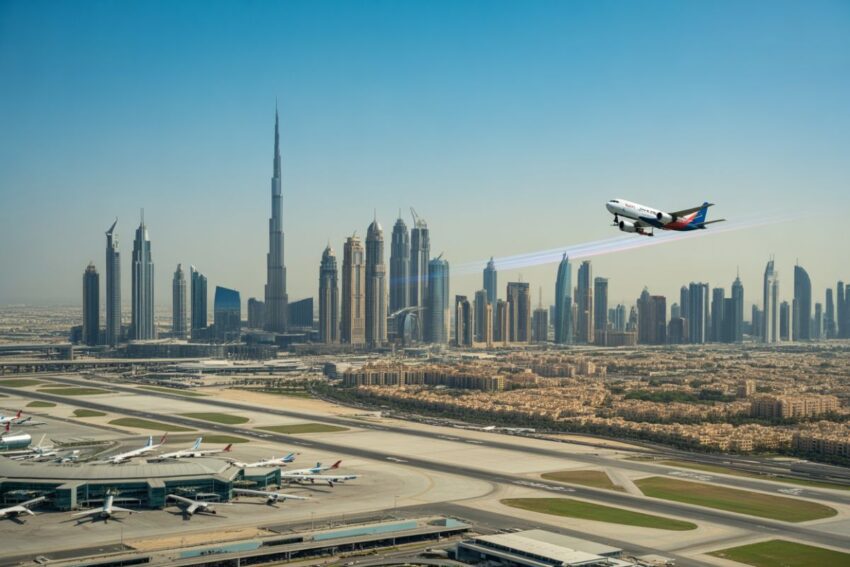
Saudi Arabia Joins UAE, Qatar, Kuwait, Bahrain, Oman and Others to Take Coordinated Actions to Secure their Spots as World-Class Tourism Hubs Amid Chaos in the Middle East Due to Iran’s Conflict with US and Israel
Saudi Arabia Joins UAE, Qatar, Kuwait, Bahrain, Oman and Others to Take Coordinated Actions to Secure their Spots as World-Class Tourism Hubs Amid Chaos in the Middle East Due to Iran’s Conflict with US and Israel
In the midst of the escalating conflict in the Middle East, sparked by tensions between Iran, the US, and Israel, Gulf nations are stepping up to secure their positions as global tourism hubs. Saudi Arabia joins UAE, Qatar, Kuwait, Bahrain, and Oman, is taking coordinated actions to safeguard the tourism industry from the impact of regional instability. These countries have quickly implemented emergency support measures for stranded tourists, reinforced their tourism infrastructure, and maintained vital regional travel connections. Their swift responses—ranging from repatriation flights and visa extensions to allocating hotel rooms for displaced visitors—highlight their commitment to ensuring the safety and well-being of international travellers. By collaborating within the Gulf Cooperation Council (GCC) framework, these nations are not only addressing immediate travel disruptions but also reinforcing their long-term resilience as premier travel destinations. These efforts help mitigate the short-term effects of the ongoing crisis and signal to the global community that, even in times of geopolitical uncertainty, the Gulf remains steadfast in its dedication to delivering exceptional and secure tourism experiences.
UAE’s Leadership in Crisis Management
The United Arab Emirates (UAE) has been proactive in handling the tourism disruptions caused by the escalating conflict in the Middle East. Dubai and Abu Dhabi have introduced emergency support programmes for tourists stranded due to airspace restrictions. The UAE authorities have organised special repatriation flights to assist over 20,000 affected passengers, helping them return home safely. Additionally, the government has extended visa and accommodation support to those unable to leave, demonstrating their commitment to ensuring the safety and well-being of tourists.
Through collaboration with the International Civil Aviation Organization (ICAO), the UAE has been working to establish emergency air corridors, allowing for the safe movement of stranded travellers. The government’s swift and efficient response has helped to reinforce the UAE’s reputation as a resilient and dependable travel destination even during times of uncertainty.
Saudi Arabia’s Commitment to Hospitality
Saudi Arabia has also responded decisively to the ongoing crisis, reinforcing its role as a prominent player in the global tourism industry. In a move to support both local and international visitors, King Salman issued a directive to allocate 2,500 fully equipped hotel rooms in Makkah, ensuring that tourists and citizens stranded by flight disruptions have a safe place to stay. This act of hospitality reaffirms the country’s commitment to providing a safe and dignified tourism experience, even in the face of geopolitical instability.
The Saudi government has also undertaken significant efforts to secure its tourism infrastructure, collaborating with neighbouring Gulf countries to maintain vital travel connections within the region.
Qatar, Kuwait, and Bahrain: Strengthening Regional Connectivity
Qatar, as part of its ongoing economic diversification away from oil dependence, has invested heavily in boosting regional connectivity, particularly for tourism. Despite disruptions caused by the crisis, Qatar has pledged to continue supporting seamless travel within the Gulf region. The country’s well-established international airport infrastructure has been vital in assisting affected passengers. Moreover, Qatar has reiterated its commitment to international visitors, ensuring the continuity of tourism despite the geopolitical challenges.
Similarly, Kuwait and Bahrain have focused on preserving regional cooperation and connectivity. Despite facing the immediate effects of airspace and travel disruptions, both nations have worked with their GCC counterparts to ensure that secure travel corridors remain operational. Their collective response is crucial in minimizing the adverse impact of the ongoing conflict on global tourism.
Oman’s Diplomatic Support
Oman, though less affected by the direct fallout of the crisis, has played a significant role in diplomatic efforts within the Gulf Cooperation Council (GCC). The Omani government has consistently stressed the importance of tourism continuity and has worked with other GCC states to navigate the crisis collaboratively. By focusing on diplomacy and regional cooperation, Oman continues to be a stabilising force in the Gulf, offering a safe haven for tourists seeking respite from the political instability in the region.
Coordinated Efforts Across the Gulf
Together, these Gulf nations have displayed an exceptional level of coordination and commitment to tourism continuity. By prioritising visitor safety, extending hospitality provisions, and supporting infrastructure resilience, the region is demonstrating that it can withstand geopolitical instability without compromising the quality and security of its tourism offerings. The efforts to manage the crisis include enhanced support systems for stranded travellers, coordinated diplomatic responses, and the safeguarding of vital travel connections across the region.
This collaborative approach not only secures the short-term stability of Gulf tourism but also reinforces the long-term vision of the region as a global leader in the travel and hospitality sector. With such swift and efficient actions, Gulf countries are sending a clear message to the international community that even in times of crisis, they remain committed to providing top-notch experiences for travellers from around the world.
Conclusion: A Coordinated Action
In response to the ongoing crisis in the Middle East, Saudi Arabia, alongside UAE, Qatar, Kuwait, Bahrain, and Oman, has taken proactive and coordinated actions to secure their spots as world-class tourism hubs. Despite the disruptions caused by geopolitical tensions, these Gulf nations have demonstrated resilience by ensuring the safety of tourists, providing emergency accommodation, and maintaining seamless travel connectivity across the region. Saudi Arabia, with initiatives like providing 2,500 hotel rooms for stranded travellers, has reinforced its commitment to hospitality. Meanwhile, UAE has coordinated special repatriation flights and supported thousands of passengers, while Qatar and other Gulf states have continued their investments in regional connectivity. Oman has focused on diplomatic efforts to maintain stability within the GCC. Through these collaborative measures, Gulf countries have proven their capacity to withstand regional instability without compromising on tourism quality. Their unified actions during this crisis reinforce their long-term vision as leaders in global tourism. Even amidst turmoil, the Gulf nations’ commitment to maintaining a secure and welcoming environment for international travellers underscores their resilience and leadership in the tourism industry.
The post Saudi Arabia Joins UAE, Qatar, Kuwait, Bahrain, Oman and Others to Take Coordinated Actions to Secure their Spots as World-Class Tourism Hubs Amid Chaos in the Middle East Due to Iran’s Conflict with US and Israel appeared first on Travel And Tour World.
Source: travelandtourworld.com



Sorry, the comment form is closed at this time.