


Saudia’s Relocation at King Khalid Airport: A Major Leap Forward for Saudi Tourism
Saudia’s Relocation at King Khalid Airport: A Major Leap Forward for Saudi Tourism
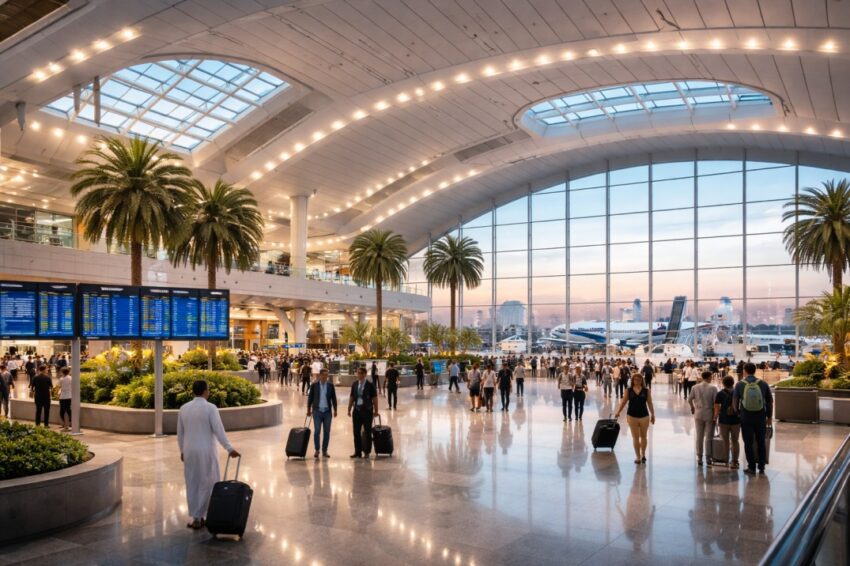
Saudia, the flagship airline of Saudi Arabia, has announced significant changes to its flight operations at King Khalid Airport in Riyadh. This move is part of a larger effort to streamline airport operations, which will positively impact the Saudi tourism sector and the country’s expanding aviation network. As part of its restructuring, Saudia will shift domestic flights currently operating from Terminal 5 to Terminal 4, while international flights will be rerouted to new designated terminals, marking a major step in the country’s aviation transformation.
This shift, which becomes effective on February 24, is expected to improve the flow of passengers, enhance connectivity, and make the travel experience more efficient for both domestic and international travelers. It is a step towards transforming Riyadh’s King Khalid International Airport into a more modern hub, capable of handling the growing demand in line with the ambitious goals of Saudi Vision 2030.
As one of the most vital elements of the Kingdom’s tourism ecosystem, the smooth operation of the airport is key to attracting more international visitors. This move will support the continued growth of Saudi Arabia’s travel and tourism industry by facilitating quicker and easier connections for tourists coming into the country, both for leisure and business.
A Boost to Riyadh’s Tourism Landscape
The relocation of flights at King Khalid International Airport is set to create a ripple effect across the tourism sector. Riyadh, a city rapidly gaining popularity among global tourists, is already a prime destination for travelers looking to explore Saudi Arabia’s rich culture and history. As the Kingdom focuses on increasing tourism flows, the changes at the airport are expected to improve traveler satisfaction, attract more foreign visitors, and make Riyadh more competitive as an international tourism hub.
Experts believe that these changes will significantly improve passenger services, which will contribute to the city’s goal of attracting tourism investments and hosting global events. The relocation of flight operations will also help in reducing congestion, enhancing passenger experience, and making it easier for tourists to get around the airport. All of these elements are essential to Saudi Arabia’s growing tourism aspirations as it works towards becoming one of the world’s leading destinations by 2030.
Moreover, Saudia’s restructuring aligns with the broader changes taking place in the Kingdom’s aviation sector. These improvements are helping the Kingdom solidify its place as a top-tier destination for travelers from around the world. As Saudi Arabia gears up for its ambitious plans under Saudi Vision 2030, the country is focusing on enhancing its infrastructure, including airports, airlines, and tourism services, to cater to the increasing demand.
Saudia’s Growing Fleet and Its Impact on Global Connectivity
In line with the ongoing transformation, Saudia is reportedly in talks with Boeing and Airbus for its largest aircraft order ever. This potential order could exceed 150 new jets, which would expand its fleet and significantly enhance global connectivity. These additional aircraft will provide Saudia with the capability to meet the growing demand for both domestic and international flights, making the Kingdom more accessible to tourists around the globe.
This expansion would not only improve the flight options available to visitors but also support Saudi Arabia’s tourism growth, making it easier for travelers to explore the Kingdom’s diverse attractions. Whether traveling for business or leisure, tourists will benefit from increased flight availability, better services, and greater flexibility in planning their trips.
As part of its broader goals, Saudia’s fleet expansion is a crucial component of Saudi Arabia’s wider aviation growth strategy. By increasing the number of aircraft and improving service standards, the airline will be better equipped to handle the growing influx of tourists and the increasing demand for travel in the region. These enhancements are also expected to make it more attractive for tourists to visit the Kingdom and explore its vast cultural and historical offerings.
Saudi Arabia’s Aviation Transformation: A Vision for the Future
The changes at King Khalid International Airport are part of a larger reshaping of Saudi Arabia’s aviation landscape. Along with Saudia, other airlines like flynas, flyadeal, and the newly launched Riyadh Air are playing pivotal roles in the Kingdom’s aviation transformation. Riyadh Air, in particular, which began operations in late 2025, is aiming for a global international footprint and will help drive more visitors into the Kingdom. The airline’s ambition is to position Riyadh as a central hub for both regional and global air travel.
These developments align with Saudi Vision 2030, a blueprint for the country’s economic diversification. As part of this vision, Saudi Arabia is striving to modernize its infrastructure and establish itself as a global tourism hub. By improving air travel infrastructure, boosting connectivity, and enhancing traveler experience, the Kingdom is setting the stage for an era of exponential growth in the tourism sector.
Increased tourism will help diversify the Kingdom’s economy and create more job opportunities for locals. This, in turn, will provide greater economic benefits for Saudi Arabia and its residents, enhancing the country’s standing as a must-visit destination for travelers across the world.
A Game-Changer for Saudi Tourism
The changes at King Khalid International Airport are expected to be a game-changer for Saudi Arabia’s tourism industry. With Saudia’s relocation of flights, the Kingdom is positioning itself for a major leap forward in its quest to become a global travel hub. The improvements at the airport will enhance passenger experience, streamline operations, and make Riyadh more accessible to travelers from around the world.
As Saudi Vision 2030 unfolds, the Kingdom will continue to see major investments in its tourism infrastructure, helping to shape a new era of growth. The airline’s restructuring and fleet expansion are just the beginning of a broader transformation that will have a lasting impact on Saudi Arabia’s tourism sector.
By improving the overall travel experience, Saudia is not just transforming the airport but contributing to Saudi Arabia’s dynamic tourism growth. As the Kingdom continues to open its doors to the world, these changes at King Khalid International Airport mark a new chapter in its exciting tourism journey.
The post Saudia’s Relocation at King Khalid Airport: A Major Leap Forward for Saudi Tourism appeared first on Travel And Tour World.
Source: travelandtourworld.com



Sorry, the comment form is closed at this time.