



Shawnee Joins Olathe, Savannah, San Diego, Oklahoma City and Honolulu as U.S. Destinations Raising Guest Taxes to Power the Next Big Tourism Boom
Shawnee Joins Olathe, Savannah, San Diego, Oklahoma City and Honolulu as U.S. Destinations Raising Guest Taxes to Power the Next Big Tourism Boom
Shawnee joins Olathe, Savannah, San Diego, Oklahoma City and Honolulu as U.S. cities turning to guest taxes to unlock massive tourism revenue, and this powerful move is reshaping how America funds travel. As Shawnee joins Olathe, Savannah, San Diego, Oklahoma City and Honolulu again in this bold guest taxes strategy, U.S. cities are signalling a new tourism future. Moreover, guest taxes, tourism revenue, and U.S. cities now move together. Therefore, as Shawnee joins these cities, Travel And Tour World urges readers to read the entire story to understand why guest taxes and tourism revenue are becoming unavoidable across U.S. cities.
Why US Cities Are Asking Tourists to Pay More
Tourism in the United States is entering a powerful new phase. International arrivals are rising again. Domestic travel is stronger than ever. Major global events are approaching. Cities across the country are preparing for pressure, opportunity, and responsibility. To meet these challenges, many local governments are turning to one key tool: guest taxes.
Guest taxes, also called hotel occupancy or transient accommodation taxes, apply to short-term stays such as hotels, motels, and holiday rentals. These taxes are paid by visitors, not residents. For cities, this means they can generate new revenue without raising everyday living costs for locals.
From a travel and tourism industry perspective, this shift is not accidental. Cities need money to improve infrastructure, promote destinations, manage crowds, and deliver world-class visitor experiences. Raising guest taxes allows destinations to reinvest directly into tourism while protecting local communities.
This article explores how Shawnee and five other US cities are increasing guest taxes as part of a wider tourism strategy. Each example shows how cities are using tourism revenue to plan for growth, sustainability, and global competitiveness.
Shawnee, Kansas: Preparing a Regional City for a Global Moment
Shawnee is a growing city in the Kansas City metropolitan area. While it is not hosting matches itself, it sits close to venues linked to the FIFA World Cup 2026. This global event is expected to bring thousands of visitors, media professionals, and football fans into the wider region.
Recognising this opportunity, Shawnee chose to increase its guest tax. The decision was designed to align the city’s tax rate with neighbouring municipalities. This ensures consistency across the region and avoids confusion for travellers comparing accommodation prices.
From a tourism industry viewpoint, Shawnee’s move is strategic and forward-thinking. The additional revenue will help fund visitor transport, tourism services, event logistics, and city promotion. These investments are critical when welcoming international guests who expect efficient transport, safe streets, and clear information.
Shawnee’s approach shows how smaller cities can benefit from major global events without bearing the full cost alone. By allowing visitors to contribute directly, the city strengthens its tourism readiness while protecting residents from increased taxation.
The Role of Guest Taxes in Modern Tourism Development
Guest taxes are no longer seen as simple revenue tools. They are now central to destination management strategies. In many cases, these taxes directly fund tourism boards, marketing campaigns, visitor centres, and infrastructure upgrades.
For the travel industry, this creates a cycle of improvement. Better funding leads to better experiences. Better experiences lead to stronger demand. Stronger demand increases tourism revenue further.
US cities increasing guest tax for tourism are responding to rising operational costs. Tourism places pressure on roads, public transport, sanitation services, emergency response teams, and public spaces. Guest taxes ensure visitors contribute fairly to the services they use.
This approach also aligns the United States more closely with global tourism markets, where accommodation taxes are already common and accepted by travellers.
Olathe, Kansas: Strengthening Regional Tourism Through Alignment
Like Shawnee, Olathe sits within the Kansas City travel zone. The city recognised early that international and domestic visitors would spread across the region during major events, particularly the World Cup.
Olathe increased its guest tax to match surrounding areas. This decision reduces price imbalance between cities and creates a unified tourism market. For travellers, consistent pricing improves trust and booking confidence.
The additional funds are directed towards destination marketing, tourism infrastructure, and visitor services. These investments help the city position itself as a comfortable, reliable place to stay while attending regional events.
From an industry perspective, Olathe demonstrates how collaboration between neighbouring cities strengthens tourism outcomes. Instead of competing on price alone, cities compete on experience, accessibility, and service quality.
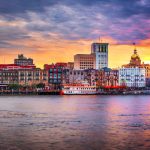
Savannah, Georgia: Funding Preservation in a Historic Tourism City
Savannah is one of America’s most visited historic destinations. Its tourism economy relies heavily on preserved architecture, walkable streets, and cultural authenticity.
After many years without change, Savannah increased its guest tax to support the growing demands placed on the city by millions of visitors each year. The decision reflects a desire to protect the city’s character while sustaining tourism growth.
Revenue from the increased tax supports historic preservation, public infrastructure, tourism marketing, and visitor management. These investments ensure that Savannah remains attractive without suffering from overuse or neglect.
From a travel industry viewpoint, Savannah’s approach highlights the importance of reinvesting tourism income back into the assets that attract visitors in the first place. Paying slightly more for accommodation helps preserve the very experience travellers seek.
San Diego, California: Managing High-Volume Tourism Sustainably
San Diego is a global tourism hub known for its beaches, convention centre, cruise port, and year-round events. Its popularity brings economic benefits but also high infrastructure costs.
To manage this, San Diego introduced a tiered guest tax system. Hotels located closer to major attractions pay higher rates, reflecting the premium nature of their location. Properties further away pay slightly less.
This model allows the city to capture tourism value more accurately while encouraging balanced development. The revenue supports infrastructure improvements, convention centre expansion, and city services affected by tourism demand.
From an industry standpoint, San Diego’s approach reflects a mature tourism economy. Rather than limiting growth, the city funds it responsibly, ensuring long-term competitiveness in the global travel market.
Oklahoma City: Using Tourism Taxes to Compete Nationally
Oklahoma City has been actively repositioning itself as a destination for conventions, sporting events, and large-scale gatherings. To achieve this, the city needed significant investment.
The decision to raise the guest tax came after public approval, reflecting strong community support. The funds generated are used to enhance convention facilities, improve event infrastructure, and strengthen destination marketing.
From a tourism industry perspective, Oklahoma City’s strategy shows how mid-sized cities can use guest taxes to compete with larger destinations. By investing in facilities and promotion, the city attracts higher-value visitors who contribute more to the local economy.
This model demonstrates how tourism taxes can drive long-term economic diversification.
Honolulu, Hawaii: Linking Tourism Growth with Environmental Protection
Honolulu faces unique tourism challenges. As a world-famous island destination, it must balance visitor demand with environmental protection.
Honolulu increased accommodation taxes as part of a broader sustainability initiative. The revenue supports climate resilience projects, coastal protection, and environmental conservation efforts.
For travellers, this approach reinforces Hawaii’s commitment to preserving its natural beauty. Paying more for accommodation directly contributes to protecting beaches, reefs, and ecosystems.
From the travel industry viewpoint, Honolulu’s strategy highlights a growing global trend: tourism must fund sustainability. Destinations that fail to protect their environment risk losing their appeal altogether.
What This Trend Means for the US Travel Industry
The rise in guest taxes across American cities signals a shift in how tourism is funded and managed. Rather than relying on residents, cities are placing responsibility on visitors who benefit directly from local services and infrastructure.
For hotels and accommodation providers, this trend is manageable. Guest taxes are already standard practice in most global destinations. Transparent communication helps travellers understand what they are paying for.
For travellers, the impact is relatively small compared to the overall cost of travel. In return, they benefit from cleaner cities, better transport, safer environments, and improved visitor experiences.
US cities increasing guest tax for tourism are not discouraging travel. Instead, they are investing in quality, sustainability, and long-term growth.
Conclusion: A New Chapter for American Tourism Funding
Shawnee’s decision to raise its guest tax reflects a wider national movement. Cities across the United States are recognising that tourism must pay its share if it is to remain sustainable and beneficial for everyone.
From regional cities preparing for global events to iconic destinations protecting their heritage and environment, guest taxes are becoming a vital part of tourism strategy. These funds help cities plan, adapt, and compete in an increasingly demanding global travel market.
For the tourism industry, this shift brings clarity and opportunity. Well-funded destinations deliver better experiences. Better experiences attract better travellers. This cycle strengthens local economies while preserving the places people love to visit.
As the United States prepares for a new era of tourism growth, guest taxes are no longer a quiet policy tool. They are a defining feature of how American cities plan their future in travel and tourism.
The post Shawnee Joins Olathe, Savannah, San Diego, Oklahoma City and Honolulu as U.S. Destinations Raising Guest Taxes to Power the Next Big Tourism Boom appeared first on Travel And Tour World.
Source: travelandtourworld.com


Sorry, the comment form is closed at this time.