


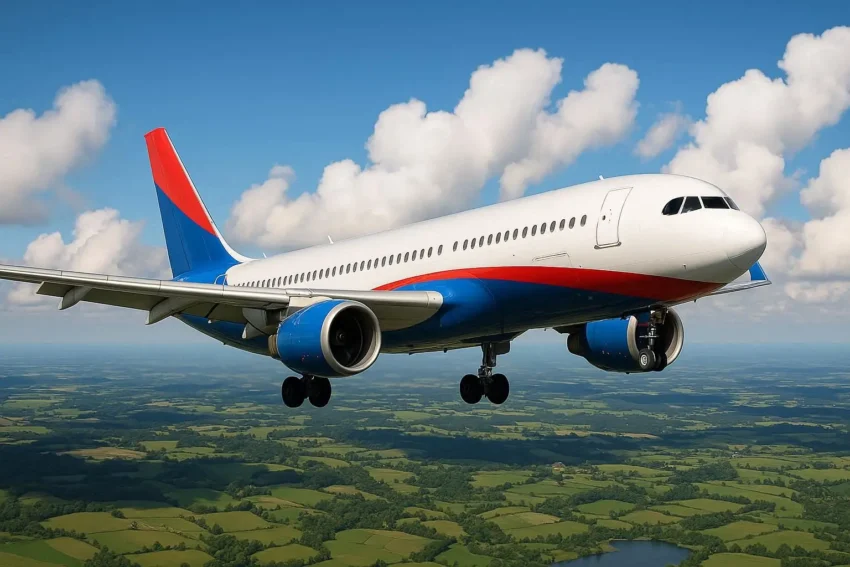
Singapore and Hong Kong Airlines See Short-Term Gains as Gulf Aviation Crisis Disrupts Traffic Flow
Singapore and Hong Kong Airlines See Short-Term Gains as Gulf Aviation Crisis Disrupts Traffic Flow
As the aviation industry grapples with significant disruptions due to the closure of Gulf airspace, Singapore Airlines and Cathay Pacific are poised to reap short-term benefits from this crisis. The ongoing airspace closures, which have forced several countries, including Qatar, United Arab Emirates (UAE), and Saudi Arabia, to suspend civilian flights, have created a ripple effect in global air travel. The Middle East has long been a hub connecting Europe to Asia-Pacific destinations, and with key airports like Dubai (DXB), Doha (DOH), and Abu Dhabi (AUH) seeing a drastic reduction in operations, Asia-Pacific airlines are likely to experience changes in passenger traffic patterns.
The Impact of Gulf Airspace Closures on Asia-Europe Routes
The airspace closures in Iran, Iraq, Israel, Qatar, Kuwait, Bahrain, and Syria have caused chaos within the aviation industry. These sudden closures have forced major Gulf carriers, including Qatar Airways, Emirates, and Etihad Airways, to cancel or delay thousands of flights. As a result, Asia-Pacific airlines like Singapore Airlines and Cathay Pacific, with their established direct flight networks, are set to capitalize on the shift in passenger demand as travelers reroute their journeys between Asia and Europe.
Both Singapore Airlines and Cathay Pacific operate several direct routes to key European cities, making them natural beneficiaries of the rerouted traffic. For many travelers, flying via these airlines may become the most viable option, especially as traditional Gulf hubs become inaccessible or overcrowded. The Asia-Europe travel route is seeing a noticeable shift as passengers seek alternatives to Gulf carriers.
However, while Singapore Airlines and Cathay Pacific are likely to experience some short-term growth, experts caution that these benefits may be short-lived. Despite their ability to capture some displaced traffic, the operational limitations of airlines, including fleet availability and airport slot constraints, may hinder their capacity to fully capitalize on the surge in demand.
Rising Operational Costs Amid Long-Haul Flight Rerouting
Despite the shifting demand, the disruption in the Gulf region comes with its own set of challenges. Long-haul flights are now forced to take alternative routes, leading to increased flying times. Airlines must avoid closed airspace, and in doing so, many have been rerouted along paths that add an additional 15 to 60 minutes to their flight times. These longer flights are expected to result in higher fuel consumption and increased crew costs.
For airlines, these additional expenses may force them to introduce modest fare increases on select routes. However, some airlines may also opt for payload restrictions to conserve fuel, thereby reducing available cargo capacity. This is particularly critical as airlines try to balance the higher fuel requirements with the decreased cargo space, impacting revenue streams. Estimates suggest that operating costs per long-haul flight could rise by between 3% and 8%, depending on various factors, including fluctuating fuel prices and the complexity of flight routes.
Changing Passenger Fare and Cargo Rates
As the industry adjusts to these new circumstances, it is becoming increasingly likely that both passenger fares and airfreight rates will experience upward pressure. With fuel prices having already seen volatility in recent years, any geopolitical escalation in the Gulf could trigger higher oil benchmarks, which directly impacts the cost of aviation fuel.
In response to these pressures, airlines typically hedge a portion of their fuel needs, which offers some insulation against immediate price spikes. However, higher fuel costs, combined with reduced flight options and extended routes, will likely push up ticket prices in the longer term. Cargo operators, too, may face reduced payload limits as airlines prioritize fuel over freight, further tightening supply chains and impacting overall pricing structures.
While the Asia-Pacific aviation sector is benefitting from rerouted passenger demand, the longer-term effects of the Gulf airspace closures could bring about more systemic changes. If geopolitical tensions persist, the costs associated with operating longer flights, along with higher fuel prices, may force airlines to pass these costs onto passengers and businesses. Additionally, with Singapore, Hong Kong, and Bangkok airports relying on Gulf hubs for some connectivity, any prolonged disruption could negatively affect regional network flexibility.
Industry Outlook and Airline Strategies
Looking ahead, the Asia-Pacific aviation market remains in a precarious position. Airlines like Singapore Airlines and Cathay Pacific will likely experience temporary gains from the rerouted traffic, but these benefits are not guaranteed to last. Given the complexity of modern air travel, airlines may struggle to ramp up services quickly enough to meet the surge in demand. Fleet limitations and airport congestion will likely become roadblocks as these airlines attempt to capture as much of the rerouted traffic as possible.
Moreover, with the likelihood of higher operational costs in the near future, it is unclear whether these short-term gains will translate into long-term profitability. As airlines contend with rising fuel prices and longer flight routes, a reevaluation of pricing models may be necessary.
However, for now, Singapore Airlines and Cathay Pacific stand as prime examples of how airlines with well-established direct networks can benefit from geopolitical shifts in the aviation world. Their short-term gains may prove to be a temporary relief amid an otherwise turbulent period for global aviation.
In conclusion, the Gulf aviation crisis has caused disruptions felt far beyond the Middle East, with Asia-Pacific airlines such as Singapore Airlines and Cathay Pacific emerging as short-term beneficiaries. The shift in passenger flows due to the closure of several Gulf airspaces has provided these airlines with a rare opportunity to capture rerouted demand. However, operational challenges, rising fuel costs, and longer flight paths may keep airlines on their toes as they adapt to these new conditions.
While these short-term advantages offer some hope to Asia-Pacific carriers, the situation remains fluid. Long-term sustainability depends on how quickly the aviation industry can recalibrate to the changing dynamics of global air travel. Gulf airspace disruptions will likely continue to have ripple effects for both passengers and airlines alike. For travelers, the landscape of Asia-Europe air travel has undeniably shifted, and only time will tell how this will play out in the months and years ahead.
The post Singapore and Hong Kong Airlines See Short-Term Gains as Gulf Aviation Crisis Disrupts Traffic Flow appeared first on Travel And Tour World.
Source: travelandtourworld.com


Sorry, the comment form is closed at this time.