


Singapore Revolutionizes Travel with New Levy to Fund Cleaner Aviation Fuel, Paving the Way for Greener Flights Starting in 2026
Singapore Revolutionizes Travel with New Levy to Fund Cleaner Aviation Fuel, Paving the Way for Greener Flights Starting in 2026
In a monumental move for eco-conscious travelers, Singapore has unveiled a plan that sets a new global standard for green aviation. Starting in October 2026, passengers flying out of Changi International Airport will be subject to a new sustainable aviation fuel levy. This groundbreaking decision aims to fund the increased use of Sustainable Aviation Fuel (SAF), a cleaner alternative to traditional jet fuel.
This levy is a significant part of Singapore’s commitment to reducing aviation’s carbon footprint and aligns with the global push toward greener, more sustainable air travel. Let’s dive into how this levy will work, when it kicks in, and what it means for travelers.
What is the Sustainable Aviation Fuel Levy?
The new levy, which will come into effect starting October 1, 2026, will apply to all passengers departing from Singapore, including both local and international travelers. Tickets purchased after April 1, 2026, for flights departing from October 2026 onward will include this additional surcharge. The levy will vary depending on the distance of the flight and the class in which a passenger is flying.
The funds raised through this levy will be used to support the purchase of Sustainable Aviation Fuel (SAF), which is produced from renewable resources such as used cooking oil and agricultural waste. SAF significantly reduces the carbon emissions of aviation, which is vital for Singapore’s ambitious goal to become a global leader in sustainable air travel.
How Much Will Travelers Pay?
The levy will be tiered based on the distance of the flight and the class in which the passenger is traveling. Here’s a breakdown of the costs travelers can expect:
Flight DestinationEconomy Class LevyPremium Cabin Levy (Business/First)Southeast AsiaS$1.00 (~US$0.75)S$4.00Northeast & South Asia / AustraliaS$2.80 (~US$2.10)S$11.20Europe / Middle EastS$6.40 (~US$4.75)S$25.60AmericasS$10.40 (~US$7.90)S$41.60 (~US$31.90)
Remember to check the details once again before you take your flight.
As seen above, the levy increases for longer flights and for those in premium cabins. Economy class passengers flying within Southeast Asia will only face a small surcharge of S$1.00, while those flying to destinations like the United States will pay as much as S$41.60 in the premium cabins. This means that travelers who book longer flights or opt for first or business class will contribute more to the effort to promote SAF.
When Will This Levy Start?
Effective Date for Ticket Purchases: April 1, 2026
Effective Date for Flights: October 1, 2026
This timeline means that passengers purchasing tickets after April 1, 2026, for flights departing after October 1, 2026, will be the first to see this levy on their airfare. This gives travelers a clear timeline to adjust their plans and anticipate any changes in ticket prices.
What Will the Levy Fund?
The money collected from this new surcharge will be earmarked for funding Sustainable Aviation Fuel (SAF) production and procurement. SAF is produced from renewable, bio-based sources such as algae, used cooking oil, and municipal waste. Using SAF instead of traditional jet fuel can reduce carbon emissions by up to 80%, which is a crucial step in helping the aviation sector achieve its climate goals.
Singapore has long been at the forefront of green aviation initiatives, and this levy is a critical component of the country’s broader efforts to make air travel more sustainable. The funds generated will help make SAF more accessible and affordable for airlines, facilitating its use on a larger scale and reducing the environmental impact of air travel.
This initiative also places Singapore in a unique position as the leading hub for sustainable aviation in Southeast Asia. By investing in SAF and using this levy to finance its adoption, Singapore is reinforcing its role as a leader in the global fight against climate change.
Why Does This Matter for Travelers?
At first glance, the levy may seem like an added cost for travelers, but its long-term benefits are substantial. For the eco-conscious traveler, this surcharge is a direct way to contribute to greener travel and support the adoption of sustainable aviation technologies. Over time, this initiative could lead to more airlines adopting SAF, reducing the overall carbon footprint of the global aviation industry.
Additionally, this move puts the onus on both the airlines and the passengers to invest in cleaner technologies. While the levy is a new cost for travelers, it ensures that sustainable fuel is used across Singapore’s extensive air network, directly contributing to reducing the aviation sector’s environmental impact.
For frequent flyers, especially those traveling longer distances or in premium cabins, the added cost could be viewed as a small price to pay for cleaner skies and more responsible travel. Moreover, this levy ensures that travelers can take pride in knowing that their flight is contributing to sustainability efforts on a global scale.
How Will This Change Travel Behavior?
With the increase in awareness about environmental issues, many travelers are now looking for ways to reduce their carbon footprints. The new SAF levy will likely encourage passengers to make more conscious choices when booking flights. For example:
Opt for Non-Stop Flights: Direct flights tend to use less fuel compared to connecting flights, thus reducing emissions.
Fly Economy: Premium cabins use more fuel due to larger space and amenities, so economy class will continue to be the more environmentally friendly option.
Support Airlines Committed to SAF: Choose airlines that are committed to reducing their environmental impact by using sustainable fuel sources.
By implementing these small changes, travelers can further reduce their carbon footprint while contributing to a global effort toward more sustainable travel.
How Will This Impact Air Travel?
The new SAF levy is just the beginning of a wider trend within the aviation industry to reduce emissions and make air travel greener. This move by Singapore is likely to encourage other nations and airports to follow suit. As more airlines adopt SAF, passengers can expect greener travel options to become more accessible worldwide.
As the aviation sector seeks to meet its ambitious goals for reducing carbon emissions, travelers can look forward to seeing more sustainable practices being implemented across airports and airlines globally. From greener airport operations to cleaner fuels, the future of air travel is moving toward a more eco-friendly landscape.
A New Era for Green Air Travel
The implementation of the Sustainable Aviation Fuel levy marks a historic moment in Singapore’s push for greener air travel. While it may come with an additional cost for passengers, the levy ensures that air travel remains sustainable in the long term. As more travelers take responsibility for their carbon footprints, initiatives like this will continue to pave the way for greener, more responsible air travel worldwide.
As travelers, we now have the opportunity to make a real difference by supporting these environmentally-friendly initiatives. By embracing these changes, we can help shape a more sustainable future for aviation, one flight at a time.
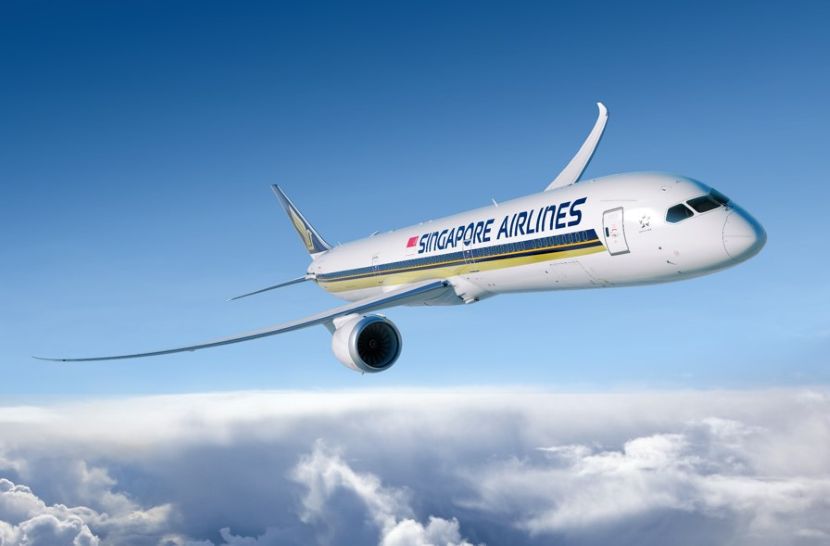
IMAGE SOURCE: Singapore Airlines
The post Singapore Revolutionizes Travel with New Levy to Fund Cleaner Aviation Fuel, Paving the Way for Greener Flights Starting in 2026 appeared first on Travel And Tour World.
Source: travelandtourworld.com



Sorry, the comment form is closed at this time.