


South Korea and India Join Brazil, Egypt, Japan, Saudi Arabia and More in Fuelling Tourism Growth with New Measures and Initiatives to Maintain Sustainability Starting this Year
South Korea and India Join Brazil, Egypt, Japan, Saudi Arabia and More in Fuelling Tourism Growth with New Measures and Initiatives to Maintain Sustainability Starting this Year
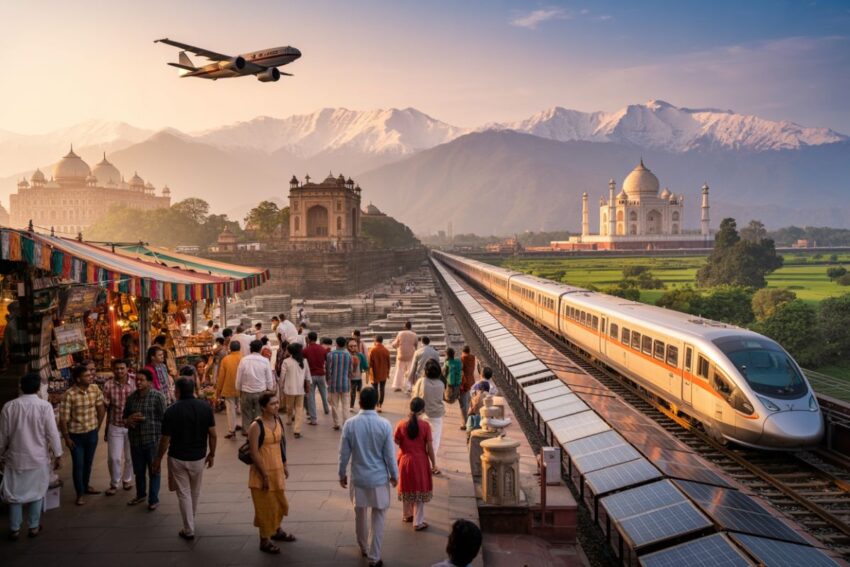
As global tourism continues to expand, South Korea and India have joined the ranks of leading nations such as Brazil, Egypt, Japan, and Saudi Arabia in fuelling tourism growth with new measures and initiatives aimed at maintaining sustainability. Starting this year, these countries are focused on reshaping their tourism landscapes to create more eco-friendly, culturally immersive, and economically impactful experiences for visitors. India’s Vision 2047 seeks to revolutionise tourism by boosting both domestic and international visitor numbers through enhanced infrastructure, cultural preservation, and community-driven development. Meanwhile, South Korea is embracing smart tourism technologies, including virtual reality (VR) and artificial intelligence (AI), to provide sustainable and interactive travel experiences that highlight its rich heritage and modern innovations. With their shared focus on sustainability and improving tourism infrastructure, these nations are creating a global tourism giant that promotes responsible travel, ensuring that both visitors and local communities benefit. By integrating sustainable practices into every facet of tourism, they are setting a new benchmark for the industry.
India’s Vision 2047: A Plan to Revolutionise Tourism
India’s Vision 2047 for tourism is designed to make it a top destination for both domestic and international travellers. Under the guidance of the Ministry of Tourism, India aims to become a world leader in sustainable tourism while boosting its GDP contribution significantly. This vision focuses on infrastructure development, community involvement, and ecological conservation.
Initiatives such as the Swadesh Darshan scheme are instrumental in shaping this vision by creating integrated, sustainable tourism circuits across the country. These circuits not only highlight India’s rich cultural heritage but also work towards boosting rural tourism and local economies, providing job opportunities and improving infrastructure in underserved areas. Additionally, the PRASHAD scheme focuses on spiritual and heritage tourism, which works alongside these efforts to bring in tourists while preserving cultural and natural sites.
Furthermore, India is actively enhancing its tourism infrastructure through improved connectivity, such as expanding regional airports and modernising rail and road networks, all aligned with India’s Sustainable Development Goals (SDGs). As India seeks to become a global tourism giant, its focus on creating high-quality visitor experiences and eco-friendly destinations is central to this plan.
South Korea’s Bold Vision for Future Tourism
South Korea, renowned for its technological prowess and rich cultural heritage, is setting its own ambitious goals to make tourism a key pillar of its economic future. By leveraging its technological innovation and cultural tourism assets, South Korea is working towards a more sustainable and inclusive tourism framework. The government’s commitment to responsible tourism is evident in initiatives like the Korea Tourism Organization’s strategies for expanding digital tourism platforms and making tourist sites more accessible.
South Korea’s tourism development focuses heavily on smart tourism technologies, such as virtual reality (VR) and artificial intelligence (AI), to provide visitors with immersive and sustainable travel experiences. These innovations aim to reduce environmental footprints and make tourism more interactive, allowing visitors to engage deeply with Korea’s rich cultural offerings. From smart cities to eco-friendly resorts, the country is focused on integrating cutting-edge infrastructure that complements its natural beauty and historic sites.
Moreover, South Korea’s Green Tourism Strategy is designed to enhance eco-tourism opportunities across the country, aligning with global environmental goals and attracting conscientious travellers from around the world. As the country strengthens its position as a sustainable tourism destination, it is expected to see significant growth in both inbound and domestic tourism.
Brazil, Egypt, Japan, and Saudi Arabia’s Revolutionary Visions for Tourism
Countries like Brazil, Egypt, Japan, and Saudi Arabia are not far behind in their efforts to revolutionise tourism. With the world’s largest tourist markets increasingly focusing on sustainability, these countries have unveiled large-scale projects designed to reshape the future of global tourism.
Brazil, with its diverse landscapes and rich biodiversity, has emphasised sustainable tourism practices to ensure the preservation of its Amazon Rainforest and other natural wonders. Similarly, Egypt is expanding its heritage tourism sector with investments aimed at restoring historical landmarks like the Pyramids of Giza and enhancing visitor infrastructure in cultural hubs such as Luxor and Cairo.
Japan’s recent efforts focus on ecotourism and sustainable urban tourism, building on its reputation as a cultural and technological leader. The Japanese government is integrating eco-friendly practices in its tourism development, from energy-efficient transportation options to waste reduction in tourist areas.
Global Cooperation for a Greener, More Inclusive Future
These countries, including India and South Korea, are collaborating more than ever on global tourism standards, working alongside international organisations such as the World Tourism Organization (UNWTO) to promote responsible tourism. This collaboration fosters best practices in sustainable tourism management, eco-friendly travel options, and the preservation of cultural heritage for future generations.
By 2047, these nations aim to achieve an equilibrium between tourism growth and environmental protection, creating tourist destinations that are not only globally competitive but also socially responsible and ecologically sound. These efforts will contribute to building stronger, more resilient communities, improved infrastructure, and enhanced cultural exchanges.
Conclusion: A Revolutionary Vision for Global Tourism Growth
South Korea and India have indeed joined Brazil, Egypt, Japan, Saudi Arabia, and several other nations in fuelling tourism growth by introducing groundbreaking measures and initiatives focused on sustainability. These countries are strategically aligning their tourism plans with long-term goals to ensure that growth in the sector is not only economically beneficial but also ecologically responsible and culturally enriching. By prioritising sustainability, these nations are enhancing their global tourism appeal while protecting natural and cultural resources for future generations. India’s Vision 2047, for instance, is centered on developing infrastructure, promoting community involvement, and ensuring eco-friendly destinations. South Korea’s use of smart technologies further amplifies its focus on immersive and sustainable tourism experiences. Together, these countries aim to create a global tourism market giant that balances growth with responsibility, ensuring that both tourism and its associated benefits grow without compromising the environment or local communities. By embracing this revolutionary vision, they set a powerful precedent for others to follow in the coming years, making tourism a force for both economic development and environmental protection.
The post South Korea and India Join Brazil, Egypt, Japan, Saudi Arabia and More in Fuelling Tourism Growth with New Measures and Initiatives to Maintain Sustainability Starting this Year appeared first on Travel And Tour World.
Source: travelandtourworld.com



Sorry, the comment form is closed at this time.