


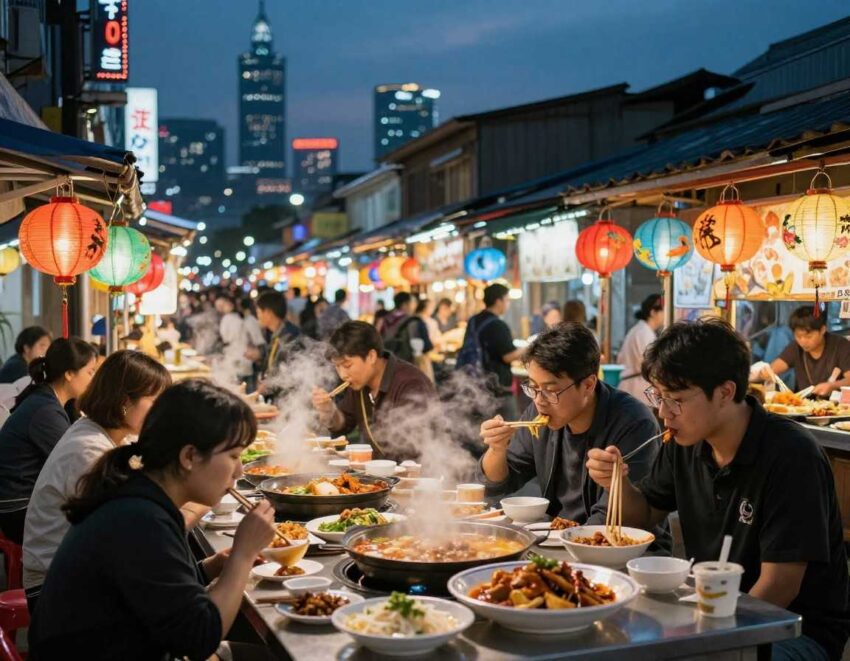
South Korea, Taiwan, Vietnam and Thailand Overtake Japan Buzz as Korean Air, EVA Air and Vietnam Airlines Add Routes While Marriott, Hilton and Accor Expand — Are These the Best Alternatives to Japan for Culture and Food Right Now?
South Korea, Taiwan, Vietnam and Thailand Overtake Japan Buzz as Korean Air, EVA Air and Vietnam Airlines Add Routes While Marriott, Hilton and Accor Expand — Are These the Best Alternatives to Japan for Culture and Food Right Now?
South Korea, Taiwan, and Vietnam are quickly becoming compelling alternatives for travelers who once chose Japan for culture, cuisine, and heritage-rich cityscapes, and the data shows it. Japan welcomed a record 42.7 million international visitors in 2025, with inbound tourism spending reaching approximately ¥9.5 trillion, underscoring its global appeal; yet early 2026 figures showed the first year-on-year monthly dip in arrivals in four years, revealing how quickly travel patterns can shift in Asia’s dynamic aviation market. At the same time, South Korea attracted close to 19 million foreign visitors in 2025, Vietnam recorded around 21 million international arrivals — its highest ever — and Taiwan continued strengthening long-haul connectivity through major carriers such as EVA Air, expanding transpacific and regional capacity. Airlines across the region report sustained passenger demand growth of over 5% year on year, with load factors exceeding 80%, enabling flexible route deployment toward high-performing destinations. Global hospitality giants including Marriott, Hilton and Accor are accelerating openings in Seoul, Taipei, Hanoi and Ho Chi Minh City, signaling investor confidence in sustained inbound growth. For travelers drawn to temple architecture, night markets, refined tasting menus and centuries-old traditions seamlessly blended with cutting-edge urban life, these destinations now offer the same cultural intensity and culinary excellence once synonymous only with Japan — often with competitive pricing, strong air connectivity and expanding luxury hotel options that make planning easier than ever.
South Korea, Taiwan, Vietnam and Thailand Overtake Japan Buzz
Japan welcomed a record 42.7 million international visitors in 2025. Inbound spending reached approximately ¥9.5 trillion, the highest ever recorded. Demand remains strong. Airlines report global passenger traffic up more than 5% year on year, with load factors above 83%. Yet travel patterns are shifting. January 2026 marked Japan’s first year-on-year monthly dip in arrivals in four years, largely due to reduced demand from China. Other Asian destinations are gaining momentum. South Korea, Taiwan, Vietnam and Thailand are capturing attention from travelers who love Japan’s blend of heritage, food culture and urban sophistication. Airlines are adding seats. Global hotel brands are expanding. For culture and cuisine seekers, these four countries now offer compelling alternatives.
South Korea, Taiwan, Vietnam and Thailand Overtake Japan Buzz as Korean Air, EVA Air and Vietnam Airlines Add Routes
Air connectivity is shaping this shift. Korean Air continues to expand long-haul and regional services through Seoul Incheon, one of Asia’s most efficient transit hubs. Taiwan’s EVA Air has strengthened transpacific frequencies between Taipei and major U.S. gateways, including Los Angeles and San Francisco. Vietnam Airlines has increased services to Australia, Europe and Northeast Asia as Vietnam’s tourism numbers reach record highs. Thai Airways is rebuilding long-haul routes to Europe and adding frequencies within Asia as Thailand’s visitor targets rise again in 2026.
South Korea recorded nearly 19 million international arrivals in 2025, approaching pre-pandemic peaks. Vietnam welcomed roughly 21 million foreign visitors in 2025, a record for the country. Thailand attracted close to 33 million international tourists in 2025, positioning itself again among the world’s top leisure destinations. Singapore Airlines, Qatar Airways and Emirates have all expanded regional connectivity, making it easier for travelers to combine multiple Asian destinations in one itinerary.
Flight times are competitive. Seoul is about 2.5 hours from Tokyo, 4.5 hours from Bangkok and under 3 hours from Taipei. From Europe, nonstop flights to Seoul average 11 to 13 hours. Bangkok connects to more than 60 international cities directly. Taipei serves as a key transit bridge between North America and Southeast Asia. For travelers seeking Japan-like experiences without peak-season congestion, these routes offer practical alternatives.
South Korea, Taiwan, Vietnam and Thailand Overtake Japan Buzz as Marriott, Hilton and Accor Expand
Hospitality expansion reinforces this momentum. Marriott International has accelerated growth across Asia-Pacific, with dozens of properties opening or under development in South Korea, Vietnam and Thailand. Hilton continues to expand in Bangkok, Seoul and key resort areas such as Phu Quoc and Phuket. Accor operates a vast portfolio in Thailand and Vietnam, from Sofitel and MGallery to Novotel and ibis, capturing luxury and midscale travelers alike.
In Vietnam, international-standard hotels are expanding rapidly in Hanoi, Ho Chi Minh City and coastal hubs like Da Nang. Thailand’s Phuket and Bangkok remain strongholds for branded luxury, while Chiang Mai is seeing boutique hotel growth. South Korea’s Seoul continues to attract premium brands, including Four Seasons and Andaz, catering to high-spending culinary travelers. Taiwan’s Taipei offers a mix of global chains and refined independent hotels, particularly near cultural districts and night markets.
Room rates remain competitive compared to peak-season Kyoto or central Tokyo. In Bangkok and Hanoi, upscale rooms often cost 20 to 30% less than equivalent Japanese city-center properties during cherry blossom season. For travelers prioritizing food exploration and heritage immersion, accommodation budgets stretch further.
South Korea: Palaces, Street Markets and Michelin Momentum
Seoul delivers the old-meets-new aesthetic many associate with Japan. Gyeongbokgung Palace dates back to the 14th century. Bukchon Hanok Village preserves traditional Korean homes. At night, Gwangjang Market pulses with food stalls selling bindaetteok and mayak kimbap. Korea’s culinary rise is measurable. Seoul hosts more than 30 Michelin-starred restaurants, reflecting a maturing fine dining scene that rivals Tokyo in creativity.
Korean Air’s global network supports seamless entry. The airline operates extensive transpacific and intra-Asia services. Incheon International Airport consistently ranks among the world’s best for passenger experience. Short transfer times allow easy connections to Busan or Jeju Island. Jeju, known for volcanic landscapes and seafood, appeals to travelers seeking a cultural retreat similar to Japan’s Okinawa.
Travel tip: Visit Seoul in spring or autumn for mild weather. Purchase a transportation card for seamless subway and bus travel. Explore temple cuisine experiences for a quieter, reflective culinary journey.
Taiwan: Night Markets, Mountain Shrines and Tea Culture
Taiwan offers one of Asia’s most concentrated street food cultures. Taipei’s Shilin and Raohe night markets draw global attention. Dishes such as beef noodle soup and oyster omelets define the city’s identity. Beyond food, temples like Longshan reflect centuries of spiritual tradition. High-speed rail links Taipei with Tainan, a historic city known for colonial architecture and traditional snacks.
EVA Air and China Airlines connect Taipei with North America, Europe and Asia. Flight durations from Los Angeles average around 13 hours nonstop. Taipei Taoyuan International Airport operates efficiently, making short layovers manageable. Taiwan’s tourism authority continues to promote culinary and eco-tourism experiences, including tea plantation tours in Alishan.
Travel tip: Combine Taipei with Taroko Gorge or Sun Moon Lake for natural scenery that balances city energy. Public transport is reliable. English signage is widespread.
Vietnam: Heritage Streets and Exploding Culinary Tourism
Vietnam’s tourism surge reflects strong global interest. Hanoi’s Old Quarter preserves French colonial and traditional architecture. Ho Chi Minh City blends dynamic nightlife with historic landmarks. Hoi An, a UNESCO-listed town, glows with lantern-lit streets and riverside cafés.
Vietnam Airlines has increased direct services to Europe and Australia while expanding regional capacity. New airport upgrades in Ho Chi Minh City are easing congestion. International hotel brands are expanding rapidly in Da Nang and Phu Quoc, creating luxury beach experiences at competitive prices.
Vietnam’s food culture is diverse. Pho, bun cha and banh mi anchor everyday dining. High-end Vietnamese tasting menus are gaining international acclaim. Cooking classes are widely available and affordable.
Travel tip: Apply for an e-visa before arrival. Explore early morning markets for authentic experiences. Domestic flights are short and affordable, making multi-city itineraries practical.
Thailand: Temples, Floating Markets and Global Hospitality Powerhouse
Thailand remains one of Asia’s most accessible destinations. Bangkok welcomed millions of international travelers in 2025 as tourism rebounded strongly. Suvarnabhumi Airport connects to major European, Middle Eastern and Asian hubs. Thai Airways has restored key long-haul routes, while low-cost carriers such as AirAsia expand regional options.
Bangkok’s Grand Palace and Wat Pho showcase ornate temple architecture. Chiang Mai offers a slower pace with mountain temples and artisan workshops. Phuket and Krabi combine beach relaxation with luxury hospitality.
Accor and Marriott operate numerous properties across Thailand. Hilton’s expansion in resort areas supports premium leisure travel. Culinary tourism remains central. Thailand’s street food culture is globally recognized, and Bangkok hosts multiple Michelin-starred restaurants.
Travel tip: Visit during the cool season between November and February. Use ride-hailing apps for convenient transport. Respect temple dress codes.
Airlines Respond to Shifting Demand
Global airlines are agile. Passenger demand remains above pre-pandemic levels, with load factors exceeding 83% in 2025. Carriers adjust capacity to high-demand corridors. If one destination softens, aircraft shift to stronger markets. This flexibility benefits travelers. More seats mean competitive fares and expanded schedules.
Emirates and Qatar Airways connect Europe and North America with Southeast Asia via efficient hubs. Singapore Airlines facilitates multi-city itineraries linking Seoul, Taipei, Bangkok and Ho Chi Minh City. United Airlines and Delta Air Lines maintain transpacific services to Seoul and Taipei, giving American travelers direct access.
Frequent flyer programs often allow open-jaw tickets. Travelers can fly into Seoul and depart from Bangkok, reducing backtracking and maximizing time.
Hospitality Investment Signals Confidence
Hotel development pipelines reflect confidence in sustained demand. Southeast Asia continues to see new openings across luxury, lifestyle and midscale segments. In Vietnam and Thailand, coastal resorts are expanding with spa and wellness facilities. In Seoul and Taipei, urban boutique hotels are targeting food-focused travelers.
Luxury brands highlight culinary experiences as core offerings. Rooftop dining, chef-led tasting menus and farm-to-table sourcing are prominent marketing themes. This aligns with travelers who previously prioritized Japan for refined cuisine.
Occupancy rates in prime Thai and Vietnamese destinations have strengthened through 2025. Competitive pricing compared to peak Japanese cities increases appeal for longer stays.
Comparative Cost and Crowd Dynamics
Japan’s record visitor numbers create peak-season congestion in cities such as Kyoto and Tokyo. Some municipalities have introduced measures to manage overtourism, including accommodation tax adjustments. While Japan remains compelling, alternative destinations often offer more space and lower seasonal price spikes.
Bangkok, Hanoi and Taipei maintain vibrant food scenes year-round without the extreme cherry blossom season surges seen in Japan. This stabilizes hotel rates and restaurant reservations.
Travelers seeking cultural authenticity and culinary depth can replicate many Japanese travel elements: temple visits, tea ceremonies, traditional crafts and market exploration. The experience differs in style but equals in intensity.
Sustainable Travel and Responsible Choices
Governments in South Korea, Taiwan, Vietnam and Thailand are investing in sustainable tourism. Infrastructure upgrades aim to balance visitor growth with heritage preservation. Eco-lodges in Vietnam’s northern mountains and Thailand’s national parks encourage low-impact travel. Seoul promotes green transport initiatives and pedestrian-friendly districts.
Airlines are also modernizing fleets. Newer aircraft models improve fuel efficiency on long-haul routes. While aviation emissions remain a concern, fleet renewal contributes incremental improvements.
Travel tip: Choose locally guided tours. Support independent restaurants and artisans. Travel during shoulder seasons to reduce pressure on heritage sites.
Building the Ultimate Japan-Style Alternative Itinerary
Travelers can design a multi-country journey focused on culture and cuisine. Begin in Seoul for royal palaces and temple food. Fly two hours to Taipei for night markets and tea culture. Continue to Hanoi for street food immersion and historic quarters. Finish in Bangkok for temple complexes and riverside dining.
Flight segments average two to three hours within the region. Regional carriers and full-service airlines provide multiple daily options. Visa processes are streamlined for many nationalities, particularly in Thailand and South Korea.
Hotel loyalty programs across Marriott, Hilton and Accor enable consistent service standards. Points redemption opportunities make extended stays practical.
Why These Destinations Feel Familiar Yet Fresh
Japan’s appeal lies in its harmony of tradition and innovation. South Korea offers hanok architecture alongside neon-lit districts. Taiwan pairs mountain temples with tech-driven urban life. Vietnam merges colonial heritage with energetic modern cafés. Thailand combines spiritual reverence with cosmopolitan hospitality.
Each destination provides deep cultural narratives and layered food traditions. Each has robust airline networks and expanding hotel infrastructure. Each delivers strong value relative to Japan’s busiest periods.
The data supports the shift. Record visitor numbers in Thailand and Vietnam. Growing arrivals in South Korea. Expanding long-haul routes in Taiwan. Continued hotel investment across the region.
For travelers who crave meticulous street food, temple-lined streets and centuries-old traditions, the answer is clear. Japan remains iconic. Yet South Korea, Taiwan, Vietnam and Thailand now stand firmly beside it. They offer accessible flights, competitive hotel rates and cultural richness that rivals the best of East Asia. The question is no longer whether they are alternatives. It is whether they are the next headline destinations for global culinary and heritage travel.
The post South Korea, Taiwan, Vietnam and Thailand Overtake Japan Buzz as Korean Air, EVA Air and Vietnam Airlines Add Routes While Marriott, Hilton and Accor Expand — Are These the Best Alternatives to Japan for Culture and Food Right Now? appeared first on Travel And Tour World.
Source: travelandtourworld.com



Sorry, the comment form is closed at this time.