


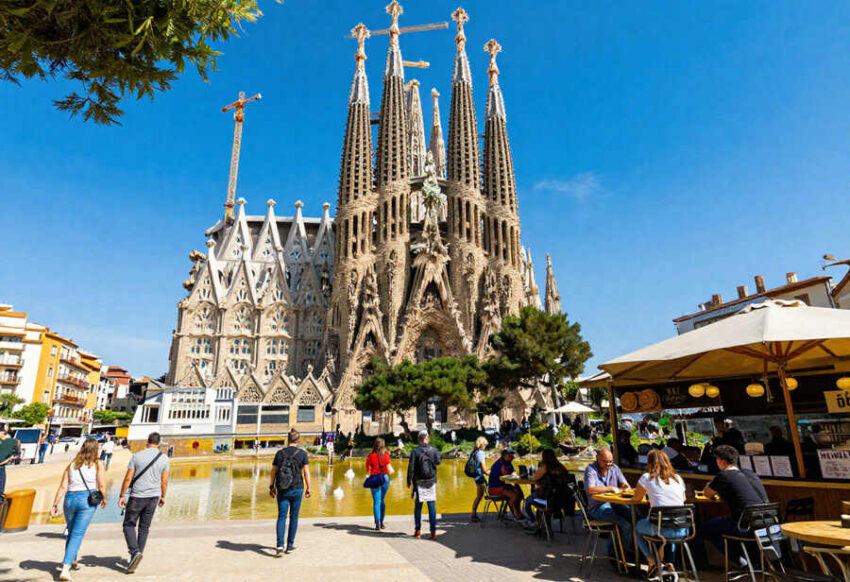
Spain Joins US, UK, Germany, Italy, Canada, China, and Japan as Global Tourism Giants While France Retains Its Crown as the World’s Most Visited Country in 2025, Surpassing a Staggering Over One Hundred Million International Tourists
Spain Joins US, UK, Germany, Italy, Canada, China, and Japan as Global Tourism Giants While France Retains Its Crown as the World’s Most Visited Country in 2025, Surpassing a Staggering Over One Hundred Million International Tourists
In 2025, Spain has firmly established itself alongside global tourism heavyweights such as the US, UK, Germany, Italy, Canada, China, and Japan, marking a significant milestone in the ever-evolving travel landscape. This surge in tourism is driven by a mix of rising global travel demand, new cultural attractions, and well-established international appeal. Meanwhile, France continues to hold its crown as the world’s most visited country, surpassing a staggering 102 million international tourists. France’s continued dominance is attributed to its iconic landmarks, diverse landscapes, and growing global visibility, including the boost from the Paris Olympic Games, ensuring it remains the ultimate travel destination despite growing competition.
In 2025, France continues to solidify its position as the world’s leading tourism destination, welcoming an impressive 102 million international visitors. This remarkable achievement has secured France’s place ahead of global tourism giants like Spain and the United States, reinforcing its dominance in the tourism industry.
This growth is not a one-off event but part of a continued upward trend, which was initially sparked by the record-breaking year in 2024. France first surpassed the 100-million mark that year, and now, in 2025, the country has further cemented its place as the undisputed leader of global tourism. This significant rise can be largely attributed to the global attention brought about by the Paris Olympic Games. These prestigious games not only boosted the number of international arrivals but also amplified France’s visibility on the world stage.
Record Revenue and Overnight Stays Propel France’s Tourism Growth in 2025
France’s tourism sector has experienced a spectacular rebound since the pandemic. In 2025, the country recorded an extraordinary 743 million overnight stays, marking a notable 7.5% increase compared to 2024. This surge has been mirrored by a historic rise in tourism revenue, which reached a staggering €77.5 billion. This represents a 9% year-on-year increase and a massive 37% rise compared to 2019, signaling the industry’s robust recovery.
The majority of visitors, around 76%, hailed from Europe, benefiting from France’s geographical proximity and its extensive transport network. However, long-haul markets, especially those from North America, have significantly grown, showcasing the country’s diversified tourist base.
France vs. Spain: A New Dynamic in Global Tourism
While Spain has always been a major player in global tourism, 2025 saw it outshine France in terms of tourism revenue. Spain generated €105 billion in tourism revenue, surpassing France’s €77.5 billion. This shift highlights an important new trend in global tourism—spending patterns are now being given as much, if not more, weight than the sheer number of visitors. Despite this, France still leads when it comes to the number of visitors, and the French tourism sector continues to show resilience in the face of this evolving landscape.
Why France Continues to Attract Tourists in Record Numbers
France’s appeal as a top tourist destination lies in its unmatched diversity, making it a versatile destination for travelers of all interests. Whether it’s the idyllic Mediterranean beaches, the serene Alpine ski resorts, picturesque vineyards, or historic towns, France offers a little something for everyone.
Paris: As the cultural capital of the world, Paris remains the primary draw for international visitors. The city is renowned for its art, fashion, and cuisine, continuing to captivate millions each year. The Eiffel Tower, Notre-Dame Cathedral, and the Louvre Museum are iconic landmarks that keep drawing travelers.
Regional France: While Paris remains the focal point, France’s regional diversification has played a crucial role in attracting a wider array of tourists. Visitors are now flocking to coastal resorts, tranquil rural retreats, and scenic mountain villages. The shift towards regional tourism is helping ease the pressure on major cities, with areas like Provence, Brittany, and the French Riviera gaining increasing popularity.
Tackling the Challenges of Overtourism
However, with the surge in international visitors comes the challenge of overtourism, especially in highly frequented destinations. Paris’s famous Montmartre district, with its bohemian charm and iconic landmarks like the Sacré-Cœur Basilica, has become overrun with tourists. The Basilica, in fact, now sees over 11 million visitors annually, surpassing the number of people visiting even the Eiffel Tower.
Similarly, destinations like Mont Saint-Michel have been under increasing environmental and infrastructural pressure. French authorities, however, have taken proactive steps to manage the impact of mass tourism. Initiatives promoting off-season travel, encouraging visits to less crowded regions, and supporting sustainable tourism practices have helped alleviate some of these issues.
The French Strategy for Sustainable Growth in Tourism
As the world emerges from the pandemic, France has ambitious goals for the future of its tourism sector. The French government aims to hit a monumental target of €100 billion in annual tourism revenue by 2030. To achieve this, France is focusing on sustainability, with a particular emphasis on rural tourism, heritage preservation, and eco-friendly travel practices.
Balancing growth with cultural preservation will be a critical challenge moving forward. With increasing demand for travel, France’s ability to regulate visitor flows while maintaining the authenticity of its historic sites and rural communities will determine its long-term competitiveness in the tourism industry.
Countries Contributing to France’s Continued Tourism Growth
The surge in tourism to France can be attributed to a broad and diverse range of countries that are contributing to the international visitor influx. Among these key contributors are:
United States: U.S. visitors have continued to flock to France, with a marked increase in long-haul travel post-pandemic.
United Kingdom: Given the proximity, the U.K. remains one of France’s most significant sources of international tourists, with many traveling by train or ferry for short trips to popular destinations like Paris and Normandy.
Germany: As one of France’s largest neighboring countries, Germany contributes a large proportion of tourists, especially those seeking a mix of culture, history, and countryside escapes.
Italy: Italy’s proximity and shared cultural heritage make it one of France’s biggest tourist-generating nations, especially from the south of the country.
Canada: Canadians, particularly from major cities like Toronto and Montreal, are drawn to France’s blend of cosmopolitan flair and rural charm, with Paris and the French Riviera being perennial favorites.
China: Despite travel restrictions earlier in the pandemic, China is showing a strong recovery in sending tourists to France, particularly in cultural and luxury tourism segments.
Japan: The Japanese have shown a growing preference for exploring the wider expanse of France, from the Alps to wine regions, as well as visiting Paris for its cultural significance.
In 2025, Spain joins tourism giants like the US, UK, Germany, Italy, Canada, China, and Japan, as global travel continues to soar. Meanwhile, France retains its crown as the world’s most visited country, surpassing 102 million international tourists, thanks to its iconic landmarks and global appeal.
With 102 million international tourists in 2025, France remains at the pinnacle of global tourism. Its ability to adapt to new trends, diversify its offerings, and promote sustainable travel practices positions it for continued success in the future. While the competition from other countries, particularly Spain, continues to grow, France’s rich cultural heritage, diverse landscapes, and commitment to balanced tourism development ensure it will remain a top destination for years to come.
The post Spain Joins US, UK, Germany, Italy, Canada, China, and Japan as Global Tourism Giants While France Retains Its Crown as the World’s Most Visited Country in 2025, Surpassing a Staggering Over One Hundred Million International Tourists appeared first on Travel And Tour World.
Source: travelandtourworld.com



Sorry, the comment form is closed at this time.