


Spain’s Rising Costs: Balearic Islands, Barcelona & Málaga Outrageously Expensive – Discover Cheaper Hidden Gems Now!
Spain’s Rising Costs: Balearic Islands, Barcelona & Málaga Outrageously Expensive – Discover Cheaper Hidden Gems Now!
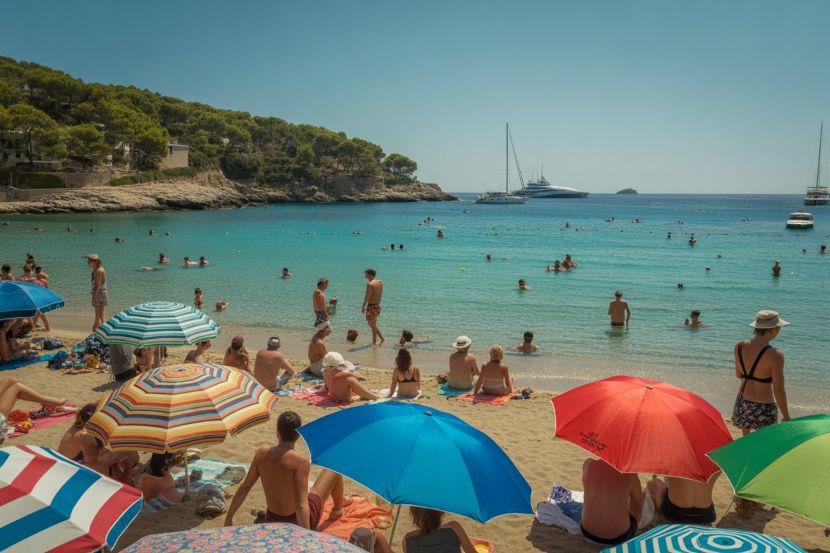
In 2026, Spain’s tourism sector continues to be one of the strongest pillars of the country’s economy. With millions of tourists flocking to the picturesque beaches of the Balearic Islands, the vibrant city life in Barcelona, and the historical charm of cities like Granada and Seville, tourism remains a vital economic driver. However, the cost of living in many of these popular destinations has soared, significantly impacting both locals and visitors alike. This rise in expenses, particularly housing and basic necessities, is reshaping the way tourists experience Spain.
Spain’s tourism industry has long been a leading force in its economic landscape. In 2024, the country welcomed over 94 million international tourists, contributing significantly to the national GDP and creating thousands of jobs. According to official data from the National Statistics Institute of Spain (INE), tourism directly accounted for 12.6% of the country’s GDP and more than 2.7 million jobs. Despite these impressive numbers, the increasing cost of living in key tourism destinations has placed financial strain on both residents and tourists.
Regions like the Balearic Islands, Barcelona, and Málaga are seeing the greatest impacts. These destinations, long regarded as tourist hotspots, are now facing essential costs — including housing, food, transportation, and utilities — that consume a larger portion of household incomes. In the Balearic Islands, for instance, households are spending a staggering 99.22% of their income on essentials when purchasing a home, and 93.59% if renting. Similar trends can be seen in Málaga and Barcelona, where rents and property prices are rapidly outpacing income growth.
For tourists, this means higher prices for accommodation, dining, transportation, and even basic amenities. This shift in the cost-of-living dynamics is prompting a reevaluation of travel plans, especially for those looking to stay longer in Spain or engage with the local culture beyond the traditional tourist activities. The increase in costs is particularly noticeable during peak travel seasons, with hotel rates and short-term rentals surging as demand exceeds supply.
But even with these rising costs, Spain’s tourism sector continues to flourish, thanks to the government’s emphasis on sustainable tourism and regional diversification. The “España Turismo 2030” initiative, spearheaded by the Ministry of Industry, Trade and Tourism, has placed a strong emphasis on expanding tourism beyond the well-known hotspots. This approach aims to balance the economic benefits of tourism with the need to preserve local cultures, landscapes, and quality of life. By spreading tourism more evenly across the country, Spain hopes to alleviate the pressure on expensive areas and encourage travel to less-discovered provinces.
Provinces such as Cáceres, Ciudad Real, and Jaén are emerging as budget-friendly alternatives for tourists looking to explore Spain without the high costs associated with major cities or coastal regions. These areas offer rich cultural experiences, historical landmarks, and beautiful natural scenery, but at a fraction of the price. In fact, the essential cost of living in these provinces remains significantly lower compared to popular areas like Barcelona or the Balearic Islands. By promoting such destinations, the Spanish government hopes to guide tourists toward more affordable, less-crowded experiences that still showcase the country’s diverse charm.
Furthermore, Spain’s tourism industry is adapting to these economic changes by encouraging a shift toward off-peak travel. By incentivizing tourists to visit during the shoulder seasons — spring and autumn — Spain can balance visitor flow and reduce the strain on resources in its most popular destinations. These strategies not only help to manage overcrowding but also provide a more authentic and relaxing experience for those looking to escape the high season rush.
As Spain faces the dual challenge of maintaining its global tourism appeal while addressing rising costs, the industry is finding innovative solutions to balance the two. With government efforts focusing on regional tourism and sustainable practices, visitors can continue to enjoy Spain’s vast offerings without the financial burden often associated with its major cities and tourist-centric areas.
Spain’s tourism industry is navigating a delicate balance between rising costs and the need to attract visitors. While major destinations like the Balearic Islands, Málaga, and Barcelona continue to shine, new opportunities in more affordable regions are emerging. By spreading tourism more evenly across the country and promoting sustainable travel, Spain ensures that its cultural, historical, and natural attractions remain accessible to all travelers. With thoughtful planning and a commitment to sustainability, Spain’s tourism sector can continue to thrive in the face of economic challenges, offering an unforgettable experience for every visitor.
The post Spain’s Rising Costs: Balearic Islands, Barcelona & Málaga Outrageously Expensive – Discover Cheaper Hidden Gems Now! appeared first on Travel And Tour World.
Source: travelandtourworld.com



Sorry, the comment form is closed at this time.