


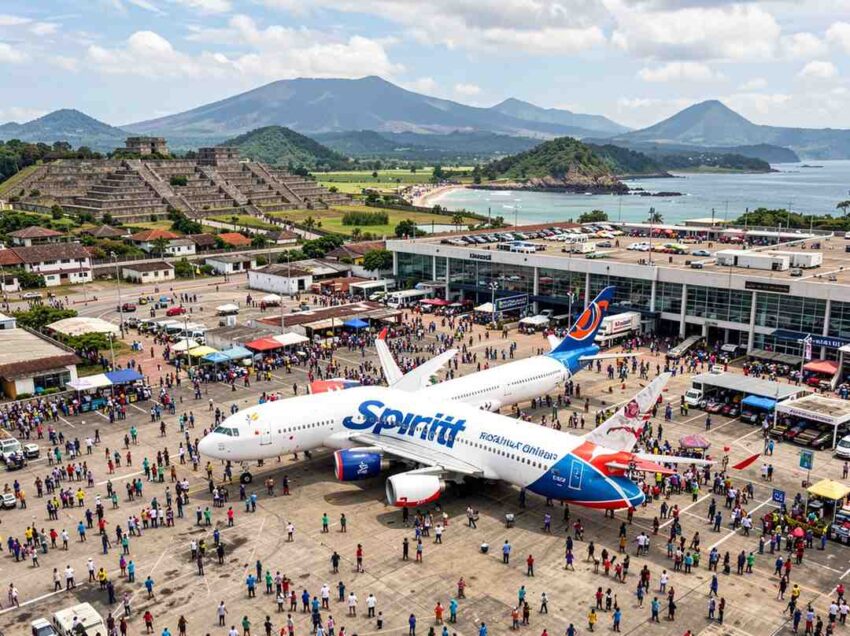
Spirit Airlines to Cancel Flights to Guatemala, El Salvador, and Nicaragua: What Reduced Service Means for Tourism in Mexico, Costa Rica, and Colombia
Spirit Airlines to Cancel Flights to Guatemala, El Salvador, and Nicaragua: What Reduced Service Means for Tourism in Mexico, Costa Rica, and Colombia
Spirit Airlines to Cancel Flights to Guatemala, El Salvador, and Nicaragua: What Reduced Service Means for Tourism in Mexico, Costa Rica, and Colombia. Spirit Airlines’ decision to dramatically reduce its international network starting in mid-April 2026 will leave a significant void in the travel routes to Guatemala, El Salvador, and Nicaragua, affecting thousands of U.S. travelers who rely on affordable flight options to reach these vibrant destinations. As one of the most prominent low-cost carriers flying to Central America, Spirit’s decision to pull out from these markets sends ripples across the tourism industries in these countries, which depend on U.S. visitors for a substantial portion of their revenue. This strategic shift, as Spirit narrows its focus on high-demand, profitable routes, will inevitably affect not only the airlines’ bottom line but also the local hospitality industries in these countries. Guatemala’s historical and cultural tourism, El Salvador’s surf spots, and Nicaragua’s eco-tourism opportunities stand to lose a considerable number of budget travelers, with the ripple effects extending to neighboring countries like Mexico, Costa Rica, and Colombia. As these popular destinations grapple with reduced flight frequencies, the broader Latin American tourism landscape is left to adjust, navigating higher travel costs and longer journey times for visitors seeking to experience the charm and beauty of the region. For those planning their next getaway, understanding the impact of these cuts is critical, as travelers will need to explore new strategies to access these once-easily reachable destinations. The future of budget travel to Central America and beyond now hangs in the balance, and how the region adapts could determine whether it maintains its place on the travel map.
Spirit Airlines to Cancel Flights to Guatemala, El Salvador, and Nicaragua: What Reduced Service Means for Tourism in Mexico, Costa Rica, and Colombia
Spirit Airlines, a major U.S.-based low-cost carrier, has recently announced significant route cancellations and frequency reductions that will affect Guatemala, El Salvador, and Nicaragua starting in mid-April 2026. These changes come as part of the airline’s broader strategy to streamline its operations and focus on more profitable and core routes. While Spirit’s decision to pull out of these Central American destinations may be financially strategic, the impact on the tourism industry in Guatemala, El Salvador, Nicaragua, and neighboring countries like Mexico, Costa Rica, and Colombia could be far-reaching. With Spirit being a major carrier offering budget-friendly travel options, the loss of affordable flight connections could make traveling to these destinations more expensive and less accessible for many American tourists. Here’s what travelers and industry stakeholders should know about these upcoming changes, as well as the broader effects on the tourism and hospitality sectors in these countries.
Impact of Spirit Airlines’ Route Cuts on Central American Tourism
Spirit Airlines’ route cuts are part of its effort to reduce excess capacity and focus its resources on high-demand, profitable routes. As a result, the airline will discontinue flights to several destinations in Central America, including Guatemala, El Salvador, and Nicaragua. These cancellations are set to take effect in mid-April 2026, marking a significant shift in Spirit’s network strategy. The reductions will especially impact travelers seeking affordable flights to the region, and it may also lead to higher fares on other airlines for the same routes.
Guatemala, with its rich culture and Mayan heritage, has long been a popular destination for American travelers. Cities like Antigua and Lake Atitlán attract thousands of tourists annually. However, the cancellation of Spirit’s flights from major U.S. cities like Fort Lauderdale and Orlando to Guatemala City will reduce the number of low-cost flight options available. Similarly, the loss of Spirit flights to El Salvador, a country famous for its surf spots and vibrant urban life, could dampen the influx of budget tourists. Nicaragua, known for its volcanic landscapes and beautiful beaches, will also suffer from fewer affordable flight options. These route reductions are likely to have a knock-on effect on local tourism economies, with fewer visitors arriving from the U.S.
How Mexico, Costa Rica, and Colombia Will Be Affected by Spirit’s Service Cuts
The ripple effect of Spirit Airlines’ route cuts extends beyond the three countries directly impacted. As U.S. travelers shift their focus to other destinations, countries like Mexico, Costa Rica, and Colombia could feel the consequences of reduced flight availability. Mexico, a top vacation destination for Americans, especially in places like Cancun and Puerto Vallarta, could see an uptick in demand as travelers look for more affordable options to replace canceled flights. However, with Spirit focusing less on Central American connections, travelers might opt for longer layovers in Mexico or other major hubs, potentially leading to longer travel times and higher overall trip costs.
Costa Rica, a hotspot for eco-tourism, could also experience some of the fallout from Spirit’s decision to scale back service. Known for its biodiversity and adventure tourism, Costa Rica attracts visitors for its rainforests, wildlife, and pristine beaches. While Costa Rica’s tourism industry is diverse and relies on more than just budget airlines, Spirit’s departure from key U.S. cities will make it harder for some travelers to reach the destination affordably. The loss of Spirit’s direct flights to Costa Rica could translate into higher prices for airlines with less competition on these routes.
Colombia, particularly its capital Bogotá and coastal city Cartagena, has grown in popularity in recent years. However, the reduction in Spirit’s services to these destinations from Florida-based hubs means travelers may face fewer budget options. This could drive up prices for those traveling from the U.S. to Colombia, making it a less attractive option for price-conscious tourists. Colombia’s tourism industry could see a decline in short-term travel as a result of reduced access from budget carriers.
The Hospitality Industry Faces New Challenges
The hospitality industry in the affected regions, including Guatemala, El Salvador, Nicaragua, Mexico, Costa Rica, and Colombia, is expected to face new challenges as Spirit Airlines withdraws from several key routes. These destinations rely heavily on U.S. tourists, and Spirit’s affordable fare options have historically played a crucial role in attracting budget-conscious travelers. Hotels, tour operators, and other businesses in these regions could see a decrease in occupancy and sales, particularly during the high travel seasons.
For instance, in Guatemala, boutique hotels, eco-lodges, and tour companies in areas like Antigua and the highlands might experience a dip in bookings. The situation will be similar in El Salvador, where eco-tourism and adventure travel play a significant role in the local economy. Nicaragua’s hospitality sector, which thrives on tourism from the U.S., may also face a decline in visitors as fewer affordable flights are available. All of these countries will need to adapt quickly to the shifting travel landscape by looking for alternative ways to attract international visitors.
Mexico, Costa Rica, and Colombia are no strangers to the effects of airline route cuts. The broader Latin American hospitality industry has already experienced similar disruptions in the past, with airlines like American Airlines and United pulling out of less profitable routes. In these cases, the hospitality industry has often been forced to rely on larger markets and high-end tourism to compensate for the loss of budget travelers. However, with the increasing focus on sustainable and eco-friendly tourism, these countries could look to reposition their offerings to attract a different type of traveler—one that prioritizes sustainability over affordability.
The Future of U.S. Tourism to Central America and Latin America
As Spirit Airlines reduces its capacity and focuses on more profitable routes, the future of U.S. tourism to Central America and parts of Latin America looks uncertain. For tourists, especially those looking for budget-friendly options, this could mean longer layovers, more expensive flights, and fewer direct connections to popular destinations. Travelers planning to visit Guatemala, El Salvador, Nicaragua, Mexico, Costa Rica, and Colombia will need to adjust their travel plans accordingly, considering alternative routes, airlines, and connections.
One potential solution for travelers is to book early to secure the best possible fares, especially as the travel industry adjusts to these changes. Passengers can also look for alternative low-cost carriers like JetBlue, which has already expanded its presence in the region and may be able to fill the gap left by Spirit’s departure. Additionally, travelers can consider flying into major hubs like Mexico City or Panama City and then connecting to regional flights to their final destinations. While these options may require more time and effort, they could provide a more flexible and affordable way to reach the desired destinations.
For the hospitality industry, the challenge will be to adapt to the changing demand. Hotels, resorts, and tour operators will need to adjust their pricing strategies and marketing efforts to appeal to a broader range of tourists. This could mean offering discounts, creating new packages, or focusing more on international markets outside of the U.S. Moreover, local governments and tourism boards in the affected countries may need to invest in new advertising campaigns and promotional efforts to attract visitors from other regions.
What This Means for U.S. Travelers: Travel Tips and Considerations
For U.S. tourists planning trips to the affected regions, it’s important to take some practical steps to ensure smooth travel despite the changes in flight options. Here are a few tips to help travelers adjust to Spirit Airlines’ route cuts:
Book Flights Early
With Spirit Airlines scaling back its network, securing a flight early can help travelers lock in lower fares and avoid last-minute price hikes. Booking ahead of time also allows travelers to have more flexibility in choosing their preferred travel dates.
Consider Alternative Airlines
As Spirit reduces service to Central America and Latin America, other carriers like JetBlue, American Airlines, and Delta are likely to pick up the slack on certain routes. While these airlines may not always offer the same low fares as Spirit, they can provide reliable service and better flight options for U.S. travelers.
Use Connecting Flights Wisely
If direct flights to your destination are no longer available, consider booking connecting flights through major hub cities like Mexico City or Panama City. These hubs often serve as key transit points for international flights and can provide more affordable options for getting to your final destination.
Check Flight Schedules Regularly
Given the shifting airline schedules and potential delays, it’s important for travelers to check their flight schedules regularly for updates and changes. Some airlines may adjust their flight frequencies or offer alternate routes, so staying informed will help avoid unnecessary stress.
Plan for Increased Travel Time
With fewer budget options and longer layovers, travelers may need to factor in additional time for their journeys. Consider planning extra time in your itinerary for unexpected delays or flight changes, especially if connecting through multiple airports.
As Spirit Airlines pulls back its flights to Guatemala, El Salvador, and Nicaragua, travellers seeking affordable access to these destinations will face new challenges. The ripple effect on neighbouring countries like Mexico, Costa Rica, and Colombia will reshape the tourism landscape in the region.
Navigating the Changes in the Travel Landscape
Spirit Airlines’ decision to reduce its international routes to Guatemala, El Salvador, and Nicaragua will have a ripple effect across the tourism and hospitality industries in Central America and Latin America. While these cuts are part of the airline’s broader strategy to streamline operations, they will impact U.S. travelers and local economies that rely heavily on tourism revenue. For the affected regions, this presents an opportunity to adapt and diversify their tourism offerings, while U.S. travelers will need to adjust their plans and consider alternative airlines, routes, and strategies to reach these popular destinations. By planning ahead and staying informed, both tourists and the tourism industry can weather these changes and continue to explore the rich cultural heritage and natural beauty of Central America and Latin America.
The post Spirit Airlines to Cancel Flights to Guatemala, El Salvador, and Nicaragua: What Reduced Service Means for Tourism in Mexico, Costa Rica, and Colombia appeared first on Travel And Tour World.
Source: travelandtourworld.com



Sorry, the comment form is closed at this time.