


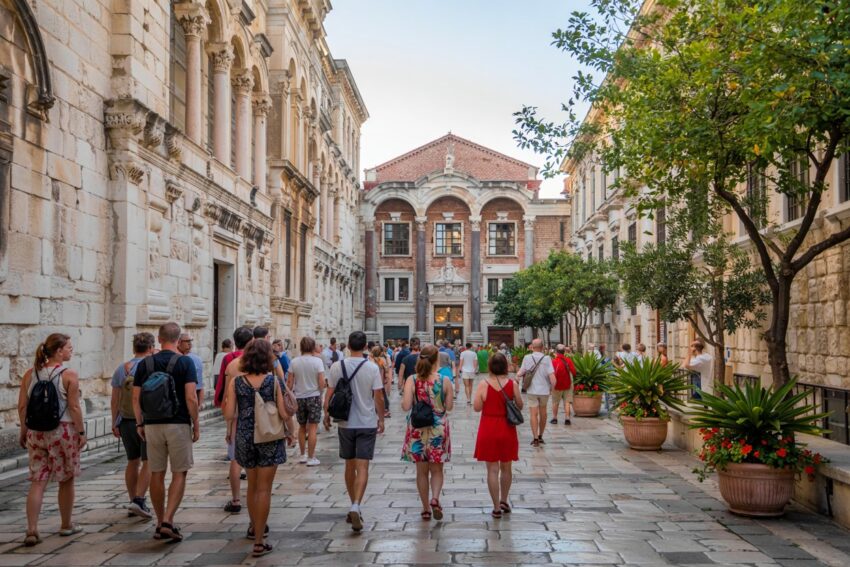
Split, Croatia Implements Strict Alcohol Ban to Curb Growing Tourist Chaos: What Travelers Need to Know
Split, Croatia Implements Strict Alcohol Ban to Curb Growing Tourist Chaos: What Travelers Need to Know
In a significant move aimed at tackling increasing tourism-related issues, Split, Croatia, has introduced new regulations that will affect how alcohol is sold in the city, particularly for visitors. Starting in September 2026, Split’s city council voted to implement an alcohol sales ban from 8 PM to 6 AM, targeting areas most affected by the wave of tourists, including many from the U.S. This decision marks a shift in the city’s approach to managing tourism, addressing complaints from locals about rowdy behavior linked to a rise in the number of party-seeking visitors.
The announcement comes amid tourism booms in Croatia, particularly in Split, which has seen record numbers of overnight stays from international tourists in recent years. As a port city on the Adriatic Coast, Split is a key destination for travelers arriving on cruise ships and direct flights. However, with the popularity of Split growing, so too has the issue of rowdy tourists disrupting local life—particularly those engaging in late-night partying.
Split, Croatia Implements New Alcohol Restrictions to Combat Growing Tourist Chaos
The primary aim of the new law is to curb the increasing problem of drunken behavior that has been linked to the rise in tourism, particularly as Split becomes more popular with party-goers. The alcohol sale ban will apply not just to bars and clubs but also to grocery stores, liquor shops, and any other retail outlets selling alcohol. The ban will be enforced at night to address incidents of disruptive behavior that often occur during peak tourist seasons. As Split mayor Tomislav Šuta stated in a press conference, these changes reflect a proactive response to ensure that tourism continues to thrive without compromising the safety and quality of life for residents.
While the move has been welcomed by local communities, it has also sparked significant discussion within the tourism industry. With Delta Air Lines set to launch a new flight from Newark to Split in spring 2026, and tourist numbers continuing to grow, the issue of over-tourism is becoming more pronounced, especially as Split seeks to balance economic growth with community well-being.
What’s Behind Split’s Decision to Ban Alcohol Sales Between 8 PM and 6 AM?
The change in alcohol laws was proposed as part of a broader effort to transform Split’s reputation. Once known for its vibrant party scene, the city now seeks to refocus on its rich cultural heritage and natural beauty rather than its status as a party destination. The city council has acknowledged that this transformation is necessary to attract a broader spectrum of tourists—ones who seek tranquility and cultural immersion, rather than late-night revelry.
Local tourism leaders, including those who had once worked to position Split as a top nightlife destination, have shifted their stance. As Darijo Šarić, CEO of VIP Holiday Booker, remarked, “Split has rebranded itself, now focusing on family-friendly tourism and showcasing the city’s historic and natural landmarks, away from the noise of the nightlife scene.”
This strategy has already been implemented in Dubrovnik, another popular Croatian city, which imposed limits on taxis and tourist buses entering its historic old town during peak hours. Now, Split is taking similar steps to protect its local identity while continuing to embrace its role as a global tourism hub.
Split’s Tourist Reputation Shifts: Moving Away from Party Destination to Cultural Hub
The move to restrict alcohol sales highlights Split’s desire to protect its residents from the negative effects of over-tourism, and to create a more balanced tourism model. Croatia’s shift away from a party tourism model reflects broader trends seen across Europe, where historic cities are grappling with the pressures of mass tourism. The desire to protect local culture while continuing to benefit economically from tourism is a delicate balance that many cities are learning to navigate.
In Split, this rebranding effort is focused on emphasizing the city’s Roman history, stunning coastline, and archaeological sites, rather than its nightlife. Attractions such as the Diocletian’s Palace and the city’s Mediterranean beaches will now be at the forefront of tourism marketing campaigns, designed to appeal to a more diverse visitor base.
How Split’s New Alcohol Ban Will Affect Tourists, Especially from the U.S.
For American travelers visiting Split, the new rules will undoubtedly impact their experience, particularly if they are accustomed to enjoying nightlife during late hours. However, local officials believe this move will appeal to travelers looking for a more relaxed and cultural vacation experience, where the focus is on sightseeing, history, and nature.
The new alcohol restrictions also raise questions about how other tourist-heavy destinations in Croatia and across Europe might adopt similar measures in the coming years. For tourists, especially those accustomed to vibrant nightlife, this shift could signal a changing landscape of European destinations prioritizing quality over quantity in their visitor base.
The Economic and Social Impact of Split’s New Alcohol Restrictions on Local Communities
For Split’s residents, these new restrictions are expected to improve the quality of life by reducing noise and disturbances. This move also aligns with Croatia’s long-term tourism strategy, which aims to focus on sustainability and enhancing the visitor experience in ways that benefit both locals and tourists. The success of this policy could serve as a model for other destinations grappling with similar issues.
As Split moves forward with these new regulations, the city is setting a precedent for managing the growing pressures of tourism while ensuring that the city’s cultural heritage and community values are preserved for future generations.
The post Split, Croatia Implements Strict Alcohol Ban to Curb Growing Tourist Chaos: What Travelers Need to Know appeared first on Travel And Tour World.
Source: travelandtourworld.com



Sorry, the comment form is closed at this time.