

Sri Lanka Now Joins Mexico, Portugal, Spain, Barbados, Greece, Italy and Maldives to Unveil the Digital Nomad Visa of Your Dreams, Here is Why 2026 is the Year of Remote Work Freedom!
Sri Lanka Now Joins Mexico, Portugal, Spain, Barbados, Greece, Italy and Maldives to Unveil the Digital Nomad Visa of Your Dreams, Here is Why 2026 is the Year of Remote Work Freedom!
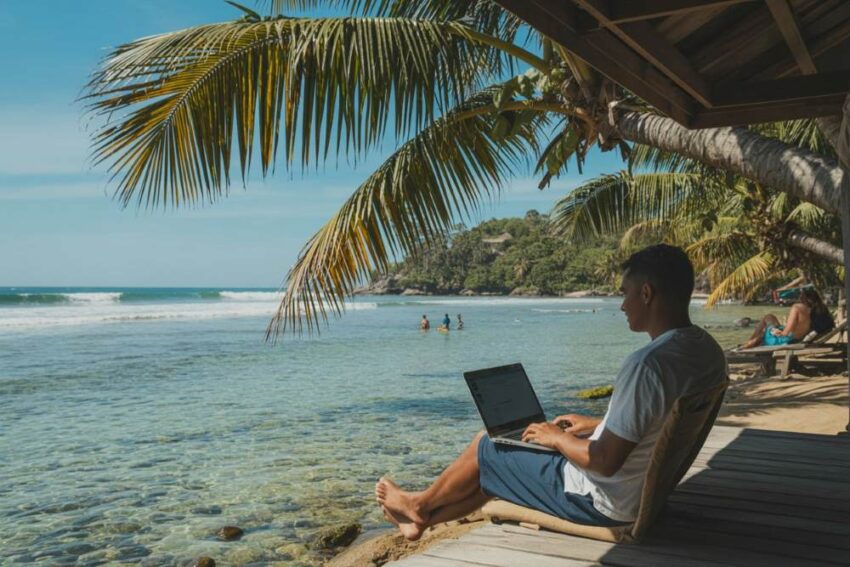
Sri Lanka now joins Portugal, Spain, Mexico, Barbados, Greece, Italy, and the Maldives to unveil the Digital Nomad Visa of your dreams. This new development marks a significant milestone in the world of remote work. As countries continue to open their doors to digital nomads, 2026 is shaping up to be the year of remote work freedom. The launch of these visas offers professionals the opportunity to live and work in some of the most beautiful and diverse destinations globally. From the lush beaches of Sri Lanka to the historic landscapes of Italy and Greece, the possibilities are endless. These countries now provide an exciting alternative to the traditional office space.
With the right balance of work and life, remote workers can thrive while immersing themselves in new cultures and experiences. Here’s why 2026 is your year to take that leap into a new world of work and freedom!
Sri Lanka’s Digital Nomad Visa – A New Era for Remote Workers
In February 2026, Sri Lanka launched its highly anticipated Digital Nomad Visa, marking a significant move to position itself as a key destination for remote workers. The “Pearl of the Indian Ocean,” as Sri Lanka is fondly known, offers a unique blend of natural beauty, culture, and a cost-effective lifestyle. With a long history of welcoming tourists, it’s now setting its sights on digital nomads — professionals who can work from anywhere in the world.
Sri Lanka’s visa allows digital nomads to stay in the country for one year, with the possibility of renewal. Applicants must meet a minimum income requirement of €1,700 (US$2,000) per month for individuals, with slightly higher thresholds for families. For each additional child, the minimum income increases by €425 (US$500). This visa is available to those working remotely for clients or companies based outside Sri Lanka, making it an ideal location for freelancers, self-employed workers, and remote employees.
Why Remote Workers Are Drawn to Sri Lanka
Sri Lanka offers much more than just a place to work remotely. The country’s tropical coastline, famous wildlife, and rich historical landmarks create an environment that is hard to beat. Sigiriya, a UNESCO World Heritage Site, is a must-see, as is the Nine Arches Bridge in Ella, a scenic marvel that attracts photographers and tourists from around the world.
But it’s not just the sights that make Sri Lanka appealing. It’s also the affordable cost of living, especially compared to many European and North American destinations. With low rent costs, cheap groceries, and budget-friendly transportation, Sri Lanka is an attractive option for remote workers looking to stretch their salaries further while experiencing a tropical paradise.
However, there are some challenges. Internet connectivity is not perfect. According to the Speedtest Global Index, Sri Lanka ranks 131st globally for broadband speeds. This can be a downside for remote workers who rely on a fast internet connection. But for many, the trade-off is worth it, especially when the workday ends with a swim in the Indian Ocean or a sunset over the lush hills.
Digital Nomad Visa Programs Around the World
While Sri Lanka is the latest to offer a digital nomad visa, it is far from the only country to tap into this trend. Portugal, Spain, Mexico, and Barbados are also offering attractive options for remote workers. Let’s explore some of the most popular digital nomad visas worldwide.
Spain – A Digital Nomad’s Dream
Spain is a dream destination for many digital nomads. The country’s new Digital Nomad Visa offers remote workers the chance to live and work in Spain for up to one year, with the possibility of extending the visa for up to three years. To qualify, remote workers must earn at least €2,130 (approx. US$2,550) per month and prove they work for clients or companies outside of Spain.
The benefits of living in Spain are clear. Barcelona, Madrid, and the Balearic Islands offer vibrant cultures, stunning architecture, and a mild climate. Spain also boasts a high quality of life, with world-class cuisine, affordable public transport, and a rich cultural heritage. Remote workers can enjoy the benefits of a cosmopolitan lifestyle while maintaining a healthy work-life balance.
Spain is not just for solo travellers, either. Families with digital nomads are encouraged to apply, with visa rules allowing for children to join their parents. For families seeking long-term stays, Spain is an ideal option.
Portugal – The Allure of Lisbon and Beyond
Portugal has been a popular destination for remote workers for years, and its D8 Digital Nomad Visa solidifies the country’s commitment to attracting location-independent professionals. The visa allows remote workers to live in Portugal for up to one year, and it can be renewed for an additional two years. To qualify, applicants must earn at least €1,200 per month.
Portugal is famous for its sunny weather, coastal beauty, and low cost of living. Cities like Lisbon and Porto are known for their blend of historical charm and modern infrastructure. For digital nomads looking for a high quality of life at a reasonable cost, Portugal is a strong contender. The Algarve, with its stunning beaches, is another hotspot for remote workers seeking a peaceful environment.
Mexico – A Gateway to Remote Work in the Americas
Mexico offers a Temporary Resident Visa, which is perfect for digital nomads. The visa allows remote workers to stay in the country for up to one year, with the option to extend the visa. The minimum income requirement is US$1,500 per month, making it a more affordable option compared to some European countries.
Mexico’s vibrant culture, rich history, and diverse landscapes make it a popular destination for remote workers. Whether you’re living in Mexico City, enjoying the beach towns of Puerto Vallarta, or exploring the Yucatán Peninsula, Mexico offers something for every type of digital nomad. The country’s lower living costs and proximity to the U.S. also make it a practical option for many.
Barbados – Work From Paradise
The Barbados Welcome Stamp Visa is a programme designed for remote workers who want to live in paradise while earning an income from abroad. The visa offers up to one year of residency for remote workers, with the possibility of extending the visa. Applicants must earn a minimum of US$50,000 per year and pay a visa fee of US$2,000 for individuals or US$3,000 for families.
Barbados is known for its pristine beaches, year-round warm weather, and laid-back lifestyle. The island offers a relaxing work environment with the added benefit of a stable internet connection in most areas. For digital nomads looking to experience a tropical lifestyle while still getting work done, Barbados is an appealing destination.
Why the Digital Nomad Visa Trend is Growing
The rise in digital nomad visas reflects the growing trend of remote work. Over the past few years, the number of people working from home or from remote locations has skyrocketed. Governments are recognising this shift and are eager to attract remote workers, who bring in foreign income, tourism revenue, and contribute to local economies. Digital nomads often spend money on accommodation, food, and leisure activities, all of which benefit the host countries.
For remote workers, these visas provide a legal and streamlined way to live in a foreign country while still earning a living. They are also more flexible than traditional work visas, which can be restrictive and often involve complex application processes. With digital nomad visas, remote workers can live and work in a new country without having to worry about breaking the law or overstaying their welcome.
CountryMinimum Income RequirementVisa DurationEligibilityCostSri Lanka€1,700 (US$2,000)1 Year (Renewable)Remote work from companies outside Sri Lanka€425 per personSpain€2,1301 YearRemote work for non-Spanish companies€100 to €200Portugal€1,200 per month1 Year (Extendable)Remote workers with foreign contracts€90Italy€2,000 per month1 YearRemote work or self‑employment€116Greece€3,500 per month1 YearRemote work€100MexicoUS$1,500 per month6 Months to 1 YearRemote work or freelanceVariesBarbadosUS$50,000 per year1 YearRemote workUS$2,000 (Individual)
The Future of Digital Nomad Visas
As more countries introduce digital nomad visas, the global landscape of remote work will continue to evolve. Countries that offer affordable living, strong internet connectivity, and welcoming environments are likely to attract more digital nomads. Sri Lanka, with its low cost of living, tropical beauty, and rich culture, is poised to be a hotspot for remote workers in the coming years.
Digital nomad visas are not just about travel—they are about building a sustainable remote working lifestyle in places that inspire creativity, relaxation, and personal growth. Whether you choose Sri Lanka, Spain, Portugal, or Barbados, these countries are paving the way for a future where remote workers can thrive, live, and explore the world.
Why Sri Lanka is the New Digital Nomad Destination
In conclusion, Sri Lanka is set to become a top destination for digital nomads in 2026. With its new Digital Nomad Visa, the country offers an exciting opportunity for remote workers to experience tropical beauty, rich culture, and affordable living. While challenges like internet connectivity may exist, the benefits far outweigh the drawbacks. Sri Lanka’s stunning landscapes, cultural landmarks, and laid-back lifestyle make it an ideal place for digital nomads seeking a balance between work and leisure. Whether you are just starting your remote working journey or looking for a new place to settle, Sri Lanka’s new digital nomad visa could be the perfect solution.
The post Sri Lanka Now Joins Mexico, Portugal, Spain, Barbados, Greece, Italy and Maldives to Unveil the Digital Nomad Visa of Your Dreams, Here is Why 2026 is the Year of Remote Work Freedom! appeared first on Travel And Tour World.
Source: travelandtourworld.com



Sorry, the comment form is closed at this time.