


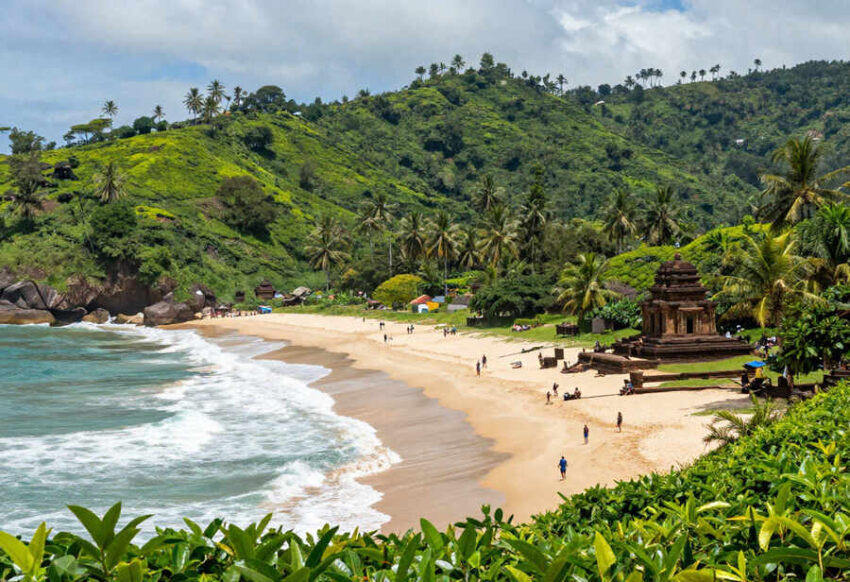
Sri Lanka’s Bold New Campaign Targets Wealthy Tourists – Will This Transform the Island’s Tourism Industry Forever?
Sri Lanka’s Bold New Campaign Targets Wealthy Tourists – Will This Transform the Island’s Tourism Industry Forever?
Sri Lanka has embarked on an ambitious initiative to shift its tourism strategy, focusing on attracting high-yielding tourists rather than merely increasing the number of arrivals. With a budget allocation of Rs. 2 billion, the government is launching an interim digital and public relations campaign aimed at sustaining the momentum of growing tourism in the country. This campaign, which is set to run during the traditional off-peak season beginning in April, will target key markets with a focus on premium tourists.
Targeting High-Yield Tourists for Sustainable Growth
In an effort to ensure the continued success of the tourism sector, the Sri Lankan government has developed a strategic plan designed to engage tourists who will contribute significantly to the economy. The campaign, backed by the Ministry of Tourism, will utilize both digital marketing and public relations efforts, targeting 12 international markets, including India, China, Russia, the UK, Germany, Australia, New Zealand, Austria, the Middle East, and Benelux countries. The focus will be on attracting tourists who spend more and stay longer, as opposed to simply increasing the number of visitors.
This shift in focus follows a record-breaking year for the country’s tourism industry, which saw 2.36 million tourists in 2025, a new milestone for Sri Lanka. The positive momentum has continued into 2026, with the country recording nearly 10% year-on-year growth in tourist arrivals. In the first 15 days of February alone, 159,339 visitors arrived, bringing the total for the year to over 436,600. This growth is further expected to contribute to a projected revenue of over US$ 4 billion in 2026.
Digital and PR Campaigns Targeting Premium Markets
To sustain this upward trajectory, the Sri Lankan government has invested heavily in marketing efforts. As part of the interim promotion campaign, digital agencies and PR firms will be engaged to carry out targeted activities across the 12 markets. These efforts are aimed at keeping Sri Lanka top of mind for potential travelers and encouraging high-yield tourists to choose the island for their vacations.
The campaign will run during Sri Lanka’s off-peak season, traditionally starting in April, and will aim to maintain the growth in arrivals until the official global promotional campaign kicks off later in the year. The Sri Lankan authorities are optimistic that the digital and PR push will be successful in not only attracting more tourists but also in sustaining the momentum created by the previous year’s record numbers.
Investment in Infrastructure and Product Development
Alongside the marketing campaign, significant investments are being made in infrastructure and product development to support the growing number of tourists. The Sri Lankan government has earmarked Rs. 3.5 billion for projects related to nature and heritage-based tourism, which will enhance the country’s appeal as a destination for cultural and eco-tourism. Additionally, Rs. 2.5 billion has been allocated to the beautification and development of the Beira Lake precinct in Colombo, which will further elevate the city’s appeal as a vibrant, tourist-friendly location.
One of the most significant developments in tourism infrastructure is the US$ 30 million project funded by the Asian Development Bank. This initiative is designed to enhance the tourism experience in key locations such as Sigiriya, Pidurangala, and Trincomalee, providing visitors with better amenities and access to some of the country’s most iconic attractions.
Fostering Human Capital to Meet Industry Demand
In addition to infrastructure development, a focus is being placed on the growth of human capital to support the surging demand for tourism services. The Sri Lanka Institute of Tourism and Hotel Management has set a target to train 7,000 individuals this year, significantly expanding the country’s capacity to meet the demands of the growing tourism industry.
To encourage broader participation in the sector, the government has allocated Rs. 500 million to support youth from low-income families in entering the hospitality industry. Furthermore, the government is working on an ambitious project to convert an abandoned building in Habarana into an international-level sustainable tourism training center, with an investment of Rs. 1 billion. This project, which is being supported by the Asian Development Bank, will provide the training and resources necessary to meet the growing demand for skilled professionals in the tourism sector.
Regulatory Reforms to Strengthen the Industry
As part of its comprehensive plan to boost tourism, Sri Lanka is also focusing on regulatory reforms to ensure that the industry remains competitive and sustainable. A new Tourism Act is currently being drafted to regulate the informal tourism sector and strengthen law enforcement capabilities. This legislation is designed to bring the informal sector into the formal economy, providing greater oversight and ensuring that all tourism activities align with the country’s goals for sustainable development.
The Sri Lanka Tourism Development Authority (SLTDA) has emphasized the importance of these regulatory measures, alongside the marketing push, to create a well-rounded approach to tourism development. Buddhika Hewawasam, Chairman of the SLTDA, has noted that social media campaigns and targeted PR efforts are already underway across the 12 key markets, helping to drive interest in Sri Lanka as a premier travel destination.
Sustaining the Momentum of Growth
The Sri Lankan government is determined to build on the positive momentum in tourism and ensure that the country continues to attract high-yield tourists while maintaining its reputation as a top global destination. With significant investments in infrastructure, human capital, and regulatory reforms, Sri Lanka is positioning itself for sustainable tourism growth over the long term.
The success of this interim campaign, combined with the upcoming global promotional push, could have lasting effects on the country’s tourism sector, creating a steady stream of visitors who contribute positively to the economy while helping to preserve Sri Lanka’s natural and cultural heritage.
Conclusion: A Sustainable Future for Sri Lanka’s Tourism
Sri Lanka’s strategic shift toward attracting high-yield tourists marks a critical turning point in its tourism industry. The government’s focus on quality over quantity, supported by substantial investments in infrastructure, human capital, and targeted marketing, is designed to ensure that the tourism sector grows in a sustainable manner. With the interim Rs. 2 billion campaign already underway, Sri Lanka is well on its way to securing its position as a leading global destination for discerning travelers, while safeguarding its environment and cultural heritage.
The post Sri Lanka’s Bold New Campaign Targets Wealthy Tourists – Will This Transform the Island’s Tourism Industry Forever? appeared first on Travel And Tour World.
Source: travelandtourworld.com



Sorry, the comment form is closed at this time.