


Sri Lanka’s Digital Nomad Visa is a Dream Come True for Remote Workers: Don’t Miss Out on This Global Opportunity!
Sri Lanka’s Digital Nomad Visa is a Dream Come True for Remote Workers: Don’t Miss Out on This Global Opportunity!
Sri Lanka, known for its stunning landscapes, rich history, and welcoming people, has introduced an exciting new opportunity for global remote workers. In February 2026, the country officially launched its Digital Nomad Visa, opening the doors for foreign professionals to live and work on the island for up to one year. This new visa initiative is part of Sri Lanka’s broader effort to recover its tourism sector while fostering sustainable travel and long-term stays.
The Digital Nomad Visa allows remote workers, freelancers, and business owners to establish a temporary home in Sri Lanka, without the need to exit and re-enter the country frequently. It’s a move designed to attract professionals from across the globe, offering them the chance to enjoy Sri Lanka’s beauty and culture while continuing their international careers. This new visa type is expected to play a pivotal role in rejuvenating Sri Lanka’s tourism industry, which has faced numerous challenges in recent years.
The Sri Lankan Department of Immigration and Emigration confirmed that applications are now open through their official online portal, and it’s a streamlined process that makes applying easier than ever. The visa fee is set at approximately €425 or US$500, which covers the cost of a one-year stay. This initiative not only caters to remote workers but also provides a unique opportunity for their families, as dependents can be included for an additional fee of US$500 per person per year.
To qualify for the Digital Nomad Visa, applicants must demonstrate that they earn at least US$2,000 per month, ensuring that they can contribute to the local economy during their stay. For those with dependents, the minimum income requirement rises, but it remains a feasible amount for many professionals in today’s remote work economy. The visa is valid for 12 months, after which it can be renewed annually, providing remote workers with the flexibility to remain in Sri Lanka long-term.
This new visa allows remote workers to enjoy the island’s natural wonders, such as its pristine beaches, UNESCO World Heritage Sites, and lush tea plantations. Sri Lanka’s local economy stands to benefit greatly from this influx of long-term visitors, as they will spend on housing, food, transportation, and other services, helping sustain local businesses across the island.
For many years, Sri Lanka’s tourism sector has relied heavily on short-term stays, with most tourists visiting for brief vacations or business trips. The introduction of the Digital Nomad Visa is a strategic shift towards long-term stays, which could help stabilize the tourism market and provide consistent revenue for hotels, restaurants, and co-working spaces that cater to these digital nomads. Co-working spaces in popular tourist areas such as Colombo, Galle, and Kandy are already adapting to meet the demand for modern working environments with reliable internet and flexible workspaces.
As tourism experts have noted, Sri Lanka’s decision to embrace the digital nomad movement taps into a growing global trend. Remote work has surged in popularity, especially in the wake of the COVID-19 pandemic, and many professionals are now looking for locations that offer a balance of work-life flexibility and vibrant cultural experiences. Sri Lanka, with its rich culture, diverse landscapes, and relatively low cost of living, is positioned to be a prime destination for digital nomads seeking a change of scenery while continuing their professional work.
Co-working spaces, cafes, and business-friendly accommodations are sprouting up across the island, offering both a modern workplace and the serenity of a tropical paradise. With internet speeds improving and more options for high-quality accommodations, Sri Lanka is quickly becoming a sought-after destination for those looking to blend work and leisure seamlessly.
In addition to supporting the local economy, this initiative also reflects Sri Lanka’s commitment to sustainable tourism. By encouraging longer stays, the Digital Nomad Visa will reduce the environmental impact of frequent travel and promote a more eco-conscious approach to tourism. Nomads staying in one location for an extended period have a lower carbon footprint, helping to preserve Sri Lanka’s delicate ecosystems for future generations.
As remote work continues to reshape the global workforce, Sri Lanka’s Digital Nomad Visa offers the perfect combination of a unique cultural experience and professional opportunity, making it an attractive destination for remote workers in 2026 and beyond. The new visa not only has the potential to boost Sri Lanka’s tourism but also to foster lasting connections between travelers and local communities.
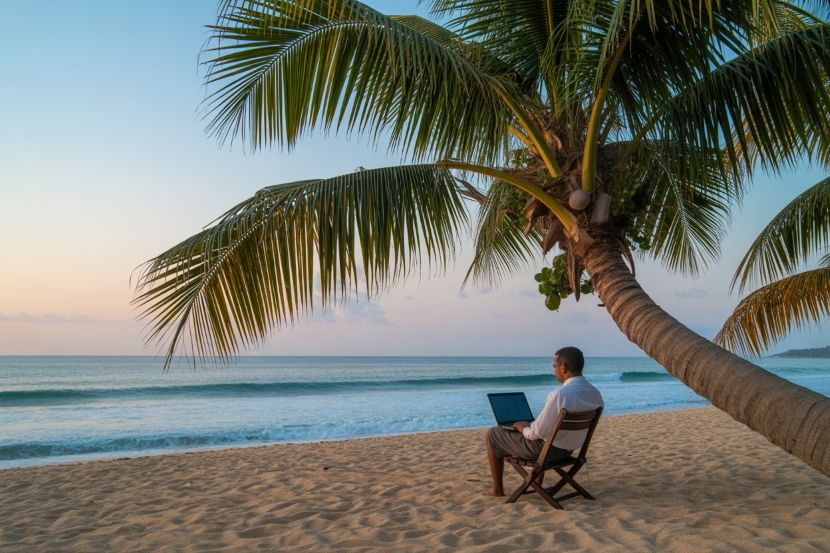
Sri Lanka’s new Digital Nomad Visa is set to play a significant role in revitalising its tourism industry. By attracting remote workers who seek a combination of work and travel, Sri Lanka is positioning itself as a leading destination for long-term, sustainable tourism. The Digital Nomad Visa opens the door for new visitors to explore Sri Lanka’s natural beauty, all while contributing to the local economy in meaningful ways. Whether working from the serene beaches or a bustling city café, digital nomads can enjoy the best of both worlds—professional success and island paradise.
The post Sri Lanka’s Digital Nomad Visa is a Dream Come True for Remote Workers: Don’t Miss Out on This Global Opportunity! appeared first on Travel And Tour World.
Source: travelandtourworld.com


Sorry, the comment form is closed at this time.