



Startling U-Turn At Table Mountain: Why This Major Barrier To Visiting Was Instantly Scrapped and What It Means for Tourists!
Startling U-Turn At Table Mountain: Why This Major Barrier To Visiting Was Instantly Scrapped and What It Means for Tourists!
With immediate effect, South African National Parks (SANParks) has formally halted the gate processes at Table Mountain National Park as well as the indemnification and verification form required. In February 2026, following extensive public and industry stakeholder feedback, this significant administrative change was announced. The conservation organisation acknowledged that the manual documentation had unintentionally resulted in major operational snags at one of Africa’s most famous sites. A fully digitalised ID and passport verification system is planned to be implemented over the course of the next 12 months, offering a cutting-edge solution to persistent governance issues and ensuring a balance between safety and convenience.
Chaos At The Gates: The Red Tape That Nearly Ruined Cape Town Tourism
It was observed during the initial rollout of the verification protocols that the mandatory completion of physical forms led to extensive queues and mounting frustration among international and local visitors. The indemnity and verification form requirement was originally intended to enhance the governance and security framework within Table Mountain National Park. However, the practical application of this manual system at high-volume access points, such as Cape Point and the Boulders Penguin Colony, resulted in significant delays that threatened the visitor experience.
Reports from tourism partners suggested that the administrative burden was particularly taxing for large tour groups and international travelers who were required to provide passport details upon entry. It was acknowledged by SANParks leadership that the operational reality did not align with the goal of providing seamless access to South Africa’s natural heritage. Consequently, the decision was made to halt the requirement entirely while a more efficient, technology-driven alternative is developed and tested.
The 12-Month Tech Revolution: How Your Next Hike Will Be Completely Paperless
A comprehensive 12-month roadmap has been unveiled to transition the park’s entry points into the digital age. It is planned that a fully digitized ID and passport verification system will be integrated across all controlled gates within the park boundaries. This upcoming infrastructure is expected to utilize high-speed scanning technology, allowing for the instant verification of South African identity documents and international passports. This move is designed to automate the application of discounted local tariffs while maintaining strict compliance with national safety and reporting standards.
The procurement and installation of these advanced scanners are being prioritized to ensure that the 2027 peak season operates without the friction seen in early 2026. It is anticipated that the digital shift will also facilitate better data management in accordance with the Protection of Personal Information Act (POPIA). By removing the need for physical paperwork, the environmental footprint of the park’s administration is also expected to be reduced, aligning with the broader sustainability goals of the Department of Forestry, Fisheries and the Environment.
SANParks Listens To Outraged Visitors: A New Era Of Transparency Begins
The decision to suspend the controversial forms was described as a direct response to the concerns raised by the Federation of Namibian Tourism Associations (FENATA) regional counterparts and the Southern African Tourism Services Association (SATSA). It was emphasized by SANParks that the feedback from tourism operators was instrumental in reassessing the impact of the verification process. The suspension is viewed as a victory for collaborative governance, proving that the authorities are willing to pivot when operational challenges arise.
During this transition period, it has been confirmed that gate operations will return to their previous standard procedures. Visitors will no longer be asked to sign indemnity waivers or manually record their identification numbers at the entrance gates. This interim relief is expected to restore the flow of traffic at popular sites like Silvermine, Newlands Forest, and the Oudekraal picnic area. The focus of the park rangers and staff is being redirected toward visitor safety and trail maintenance while the technical teams work behind the scenes on the digital upgrade.
Elite High-Speed Scanners: The High-Tech Future Of South African National Parks
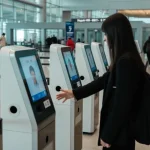
The introduction of high-speed scanning technology is being hailed as a major leap forward for the Table Mountain National Park management. It is understood that the new system will not only verify identification but also assist in monitoring visitor volumes in real-time. This data-driven approach is seen as essential for managing the ecological impact of tourism on the sensitive fynbos biomes of the Cape Peninsula. The technology is expected to be similar to that used in international airports, ensuring that the verification process takes only a matter of seconds.
It has been clarified that certain specialized permits, such as the My Activity Permit for dog walking or paragliding, will remain managed through their existing online channels. However, the general day-visitor experience is the primary target for this digital overhaul. The investment in this technology is being funded as part of a broader national initiative to modernize South African travel infrastructure, making the country more competitive on the global stage as a tech-savvy and welcoming destination.
Is Table Mountain Still Safe? What You Need To Know Before You Go
Despite the removal of the physical indemnity forms, the safety of visitors remains a top priority for the NAMPOL Inspector General‘s equivalents in South Africa and the South African Police Service (SAPS). It was noted that the suspension of the forms does not equate to a relaxation of security. Instead, patrolling and visible policing within the park are being maintained to ensure that the mountain remains a secure environment for hikers and tourists.
The public is being encouraged to remain vigilant and to utilize the official SANParks emergency contact numbers while exploring the vast terrain. As the digital transition unfolds over the next year, regular updates are expected to be provided to the tourism industry to ensure that operators can prepare their clients for the new entry requirements. The long-term vision is to create a world-class, frictionless entry system that reflects the status of Table Mountain as one of the New Seven Wonders of Nature.
The post Startling U-Turn At Table Mountain: Why This Major Barrier To Visiting Was Instantly Scrapped and What It Means for Tourists! appeared first on Travel And Tour World.
Source: travelandtourworld.com


Sorry, the comment form is closed at this time.