


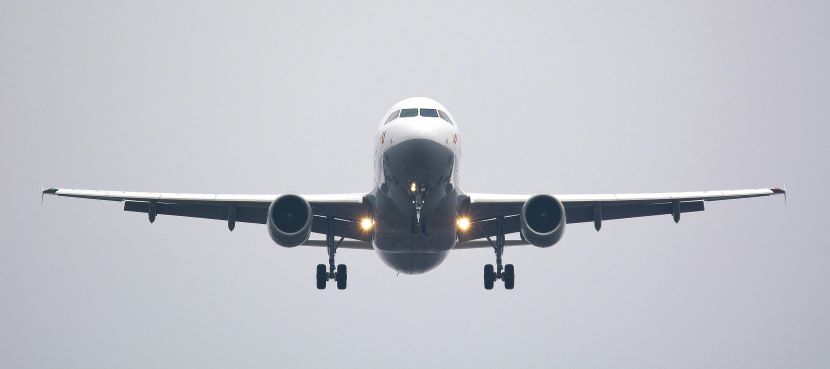
Strategic Capacity Growth: Malaysia Airlines Implements Third Daily Frequency on Key Kuala Lumpur to Doha Route
Strategic Capacity Growth: Malaysia Airlines Implements Third Daily Frequency on Key Kuala Lumpur to Doha Route
In a significant move for international air travel, a third daily flight between Kuala Lumpur International Airport and Hamad International Airport in Doha has been officially announced by Malaysia Airlines. This strategic increase in frequency is presented as a direct response to the robust performance of the route and the flourishing partnership maintained with Qatar Airways. By introducing this additional service, the carrier aims to provide more flexible travel options for passengers navigating between Southeast Asia and the Middle East. It is observed that the strengthening of this corridor serves as a vital bridge for travelers seeking onward connectivity to a vast array of global destinations.
The decision to expand operations is supported by the consistent demand identified for travel across these regions. It is noted that the Airbus A330-300 fleet will be utilized to facilitate this new frequency, ensuring that the high standards of comfort and capacity associated with the airline are maintained. This development highlights the importance of Kuala Lumpur as a central hub in the Asia-Pacific region. Furthermore, the collaboration with Qatar Airways is highlighted as a cornerstone of this growth, allowing for a seamless integration of networks that benefits thousands of passengers weekly.
Strategic Fleet Utilization and Schedule Enhancements
The operational logistics of the new service have been structured to maximize convenience for international transit. It is reported that the additional flight will depart from Malaysia in the evening, complementing the two existing daily departures that typically occur late at night. With this inclusion, the total number of weekly frequencies offered by the carrier on this specific route will reach twenty-one. From a capacity perspective, this expansion is expected to contribute approximately 2,000 additional seats per week in each direction, a figure substantiated by data from the aviation analytics firm Cirium.
The fleet composition for the Doha route is characterized by a mix of modern wide-body aircraft. Currently, the service is maintained by an Airbus A350-900 and an Airbus A330-300. The addition of a second Airbus A330-300 for the third frequency signifies the heavy reliance on this aircraft type for mid-to-long-haul operations. It is understood that this route now stands as the third most frequent connection for the carrier’s Airbus A330 fleet, trailing only the major trunk routes serving the Australian market.
Enhancing Global Reach Through Partnerships
The connectivity benefits extended to passengers through this expansion are considerable. By leveraging the combined networks of both hub airports, access to over 120 codeshare destinations is facilitated. It is emphasized by the airline that traffic flows from Asia and Australasia toward Europe, the Middle East, Africa, and North America will be significantly improved. This move is intended to support seamless travel for both westbound and eastbound passengers, particularly those originating from the growing Australian network.
The historical context of this partnership is also noteworthy. A formal strengthening of ties between Qatar Airways and Malaysia Airlines was initiated in May 2022, coinciding with the launch of the carrier’s initial non-stop service to Doha. Since that period, the collaboration has evolved into a strategic pillar for both organizations. As stated by Bryan Foong, the Chief Executive Officer of Airline Business at the carrier, the increased frequency serves as a testament to the route’s strong performance and the mutual benefits derived from the alliance.
Regional Growth and Fleet Modernization
Broader trends in the Southeast Asian aviation market indicate a period of steady recovery and growth. The strategy employed by the national carrier involves capitalizing on the demand for connecting traffic between major global regions. While the Doha expansion is a focal point, significant growth is also being observed in other sectors. For instance, services to Australia have seen an increase of approximately 30%, while European operations have grown by 10%. On a regional level, over 400,000 seats have been added to the Asian network year-on-year, representing a 5% increase in capacity.
The ability to sustain such growth is closely linked to an ongoing fleet renewal program. The delivery of new Airbus A330neo aircraft is expected to play a crucial role in future operations. It is recorded that the order for this specific aircraft type was doubled last year, bringing the total commitment to 40 units. As these newer, more fuel-efficient planes enter service, they will allow for the retirement of older airframes and the opening of new routes. Recent examples of network expansion include the resumption of services to Brisbane and the reintroduction of flights to Chengdu, China.
Future Outlook for the Kuala Lumpur-Doha Corridor
As the 30 June start date for the third daily frequency approaches, the focus remains on optimizing the passenger experience and maintaining operational efficiency. The sustained demand for travel between Asia and the Middle East shows no signs of waning, and the strategic positioning of the carrier ensures it is well-placed to capture this market share. The integration of advanced analytics and a customer-centric approach to scheduling is seen as a primary driver of these successful outcomes.
Ultimately, the addition of the third daily flight to Doha is more than just an increase in numbers; it is a reflection of a maturing partnership and a clear vision for global connectivity. The neutral and formal narrative of the airline’s progression suggests a calculated approach to international expansion. By focusing on core strengths and strategic alliances, a robust framework for future growth is being established, ensuring that the link between Malaysia and the rest of the world remains strong and reliable.
The post Strategic Capacity Growth: Malaysia Airlines Implements Third Daily Frequency on Key Kuala Lumpur to Doha Route appeared first on Travel And Tour World.
Source: travelandtourworld.com



Sorry, the comment form is closed at this time.