


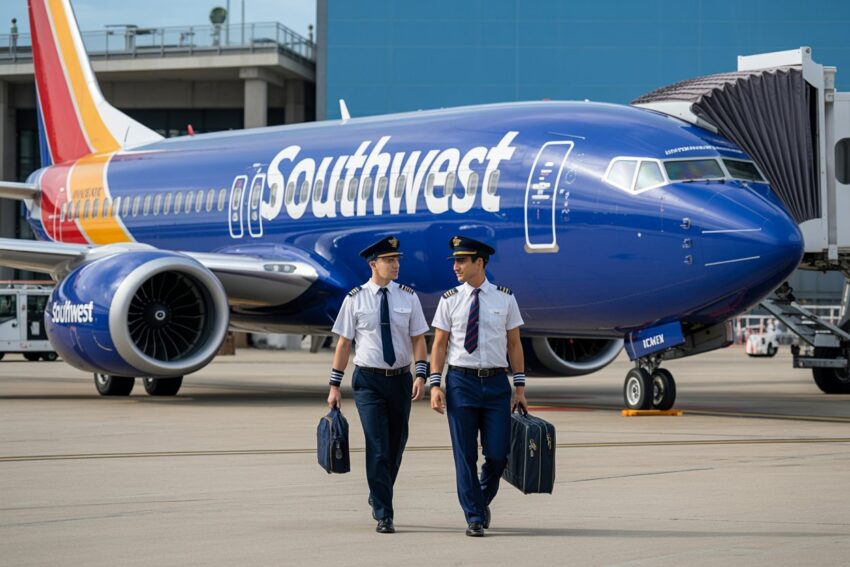
Supreme Court Lets Southwest Airlines Pilot Lawsuit Against Boeing Move Forward Over 737 MAX Safety Allegations
Supreme Court Lets Southwest Airlines Pilot Lawsuit Against Boeing Move Forward Over 737 MAX Safety Allegations
On Monday, the Supreme Court of the United States (SCOTUS) made a significant ruling in the ongoing legal battle between Boeing and the Southwest Airlines Pilots Association (SWAPA). The court decided not to intervene in a lawsuit brought by the pilot union, effectively allowing the case to move forward to trial. The lawsuit centers around allegations that Boeing misrepresented the safety features of the Boeing 737 MAX aircraft, leading Southwest Airlines pilots to operate the aircraft without proper training.
Key Takeaways
SCOTUS ruling: The Supreme Court decided not to block the lawsuit, allowing it to proceed to trial.
Southwest Airlines Pilot Union’s claims: The lawsuit alleges that Boeing fraudulently induced pilots to fly the 737 MAX without sufficient training, resulting in lost compensation.
Boeing’s defense: Boeing argues that the case is preempted by federal law, potentially protecting it from liability.
Legal implications: The case could have broader consequences for aviation safety and corporate accountability in the industry.
The Legal Battle: What’s at Stake for Boeing and Southwest Airlines Pilots
The lawsuit filed by the Southwest Airlines Pilots Association (SWAPA) accuses Boeing of fraudulently inducing pilots to operate the 737 MAX without the appropriate level of training and information regarding its safety features. The union claims that Boeing misrepresented the aircraft’s safety protocols and did not adequately prepare pilots for the specific operational risks associated with the MAX variant. This has allegedly led to lost compensation for the pilots, who were required to fly the aircraft despite concerns about its safety.
In 2019, the Boeing 737 MAX was grounded worldwide following two deadly crashes that killed a total of 346 people. The crashes, which occurred in Ethiopian Airlines Flight 302 and Lion Air Flight 610, were linked to a malfunction in the MCAS system (Maneuvering Characteristics Augmentation System). This triggered a series of legal challenges, regulatory investigations, and a massive financial and reputational toll on Boeing.
Now, the Southwest Airlines pilot lawsuit is adding a new layer of complexity to the ongoing fallout from the 737 MAX crisis. The pilots argue that they were misled by Boeing into flying the aircraft without adequate training, resulting in lost pay and compensation.
Boeing’s Defense: Preemption by Federal Law
Boeing has denied the allegations and is seeking to dismiss the lawsuit, claiming that the case is preempted by federal law. The company argues that federal regulations, which govern aviation safety and pilot training, take precedence over state law claims like those brought by SWAPA. Boeing’s position is that the Federal Aviation Administration (FAA) oversees all aspects of flight safety and that any claims related to the 737 MAX’s safety or training should be addressed through federal regulatory channels, not in court.
This argument is an attempt to shield Boeing from legal responsibility for the training and safety concerns raised by the pilots. If Boeing’s defense succeeds, it could have significant implications for future lawsuits related to aviation safety, as it could establish a precedent that federal law takes priority over state-based claims for damages or negligence in the aviation industry.
Implications for Aviation Safety and Corporate Accountability
The lawsuit has potential industry-wide implications for aviation safety and corporate accountability. If the Southwest pilots succeed in proving their claims in court, it could set a precedent for other airline employees to seek damages related to inadequate training or safety misrepresentations. This could prompt airlines and manufacturers to reconsider their training procedures and the way they communicate with flight crews about the safety features of their aircraft.
The case also raises important questions about corporate responsibility in the aviation industry. Boeing has already faced significant legal and financial repercussions from the 737 MAX crisis, including a large settlement with the families of those who died in the crashes. However, this lawsuit focuses on the pilots’ experiences and their allegations of corporate misconduct, highlighting concerns over the company’s handling of internal communications and pilot safety.
The Path Forward: Trial and Potential Consequences
With the Supreme Court’s decision to allow the lawsuit to proceed, the next step will be a trial in a Texas court, where the Southwest Airlines Pilot Association will have the opportunity to present evidence and argue their case. This could result in a protracted legal battle, as Boeing continues to defend itself against accusations of fraud and negligence.
If the case reaches a conclusion in favor of the pilots, it could result in significant damages for Boeing, as well as a public relations setback that may further damage the company’s reputation. The outcome of this trial could also influence future aviation safety regulations and the way that aircraft manufacturers interact with their pilots and crews.
Conclusion
The Southwest Airlines pilots’ lawsuit against Boeing over the 737 MAX is a crucial development in the aftermath of the 737 MAX crisis. With the Supreme Court’s decision allowing the case to move forward to trial, the aviation industry is closely watching the legal proceedings. The outcome could have far-reaching consequences for aviation safety, pilot training, and corporate accountability within the airline industry.
The post Supreme Court Lets Southwest Airlines Pilot Lawsuit Against Boeing Move Forward Over 737 MAX Safety Allegations appeared first on Travel And Tour World.
Source: travelandtourworld.com



Sorry, the comment form is closed at this time.