


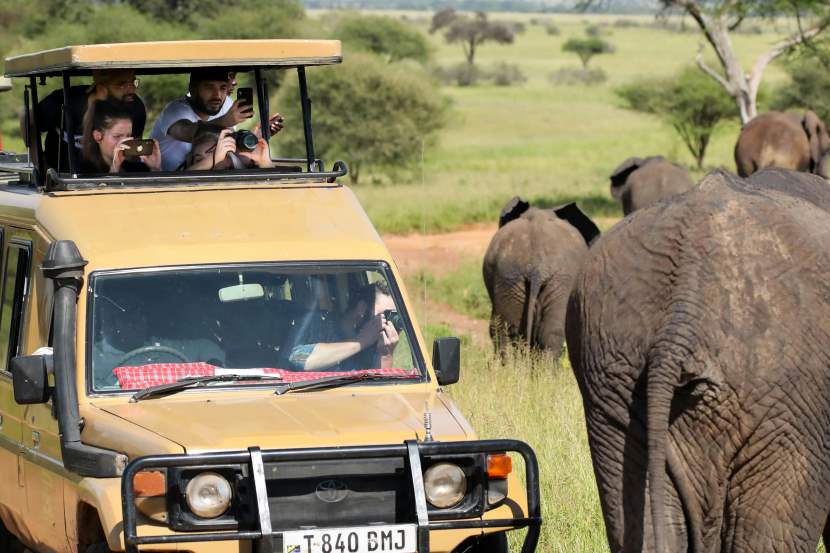
Tanzania and IUCN Forge Strategic Alliance to Safeguard Biodiversity and Elevate Sustainable Tourism
Tanzania and IUCN Forge Strategic Alliance to Safeguard Biodiversity and Elevate Sustainable Tourism
The enhancement of environmental conservation and sustainable development is being prioritized through a revitalized collaboration between the International Union for Conservation of Nature (IUCN) and the Tanzania Ministry of Natural Resources and Tourism. This strategic alignment is designed to address the pressing challenges of biodiversity loss and climate change resilience within the East African region. By leveraging the expertise of the IUCN, the Ministry of Natural Resources and Tourism seeks to fortify its management of protected areas and wildlife corridors. This partnership is viewed as a critical step toward ensuring that natural heritage is preserved for future generations while supporting the economic aspirations of the United States of Tanzania.
A Formal Commitment to Conservation Excellence
The foundations of this expanded partnership were solidified during a high-level engagement where the shared vision for a greener future was articulated. It is recognized that the natural landscapes of Tanzania serve as a global benchmark for biodiversity. Therefore, the implementation of international best practices is being facilitated through the technical support provided by IUCN. The integration of community-led conservation models is being emphasized to ensure that local populations are empowered and benefit directly from the protection of their surrounding environments.
Through this cooperation, the advancement of the Green List of Protected and Conserved Areas is being pursued. This initiative is intended to recognize and reward the most effective and equitable management of nature reserves across the country. The rigorous standards set by the IUCN are being adopted to evaluate the performance of various national parks and game reserves. By meeting these global benchmarks, the conservation efforts led by Tanzania are being highlighted on an international stage, attracting further investment and scientific interest.
Strengthening Institutional Capacity and Policy Frameworks
The development of robust policy frameworks is being treated as a cornerstone of this strategic alliance. Technical assistance is being rendered to the Ministry of Natural Resources and Tourism to refine legislation surrounding wildlife protection and forest management. It is observed that the complexity of modern environmental threats requires a sophisticated and data-driven approach. Consequently, capacity-building workshops are being organized for government officials and field rangers to enhance their skills in monitoring and enforcement.
The exchange of knowledge is being facilitated through the vast network of scientists and experts associated with the IUCN. Research initiatives are being launched to study the migration patterns of endangered species and the impact of human encroachment on sensitive ecosystems. The findings from these studies are being utilized to inform the decision-making processes of the Tanzanian government. By grounding policy in scientific evidence, the effectiveness of conservation interventions is being significantly increased.
Promoting Sustainable Tourism as a Driver for Growth
The role of tourism in the national economy of Tanzania is being carefully balanced with the need for ecological integrity. It is understood that the long-term viability of the tourism sector is dependent on the health of the natural environment. Strategic plans are being formulated to promote low-impact, high-value tourism experiences that minimize the carbon footprint of visitors. The diversification of tourism offerings is also being explored, with a focus on cultural heritage sites and lesser-known wilderness areas.
The infrastructure within protected areas is being upgraded through a lens of sustainability. Renewable energy sources and efficient waste management systems are being integrated into lodge developments and administrative facilities. Furthermore, the promotion of eco-labeling and certification for tour operators is being encouraged to ensure that the private sector adheres to stringent environmental standards. By fostering a culture of responsibility within the tourism industry, the preservation of Tanzania’s unique landscapes is being secured.
Addressing Global Environmental Challenges Collectively
The impact of climate change on the ecosystems of East Africa is being addressed with urgency. Nature-based solutions are being advocated as a primary strategy for climate adaptation and mitigation. Projects involving the restoration of degraded forests and wetlands are being implemented to enhance carbon sequestration and water security. The resilience of local communities to extreme weather events is being bolstered through the promotion of sustainable land-use practices and the diversification of livelihoods.
The global influence of Tanzania in the field of conservation is being amplified through its active participation in IUCN world congresses and international forums. The success stories emerging from the partnership are being shared with other nations facing similar environmental hurdles. It is acknowledged that the challenges of the 21st century cannot be solved by any single entity. Therefore, the spirit of multilateralism is being championed, with the IUCN serving as a bridge between the Tanzanian government and the global conservation community.
Future Horizons for Integrated Resource Management
Looking toward the future, the expansion of maritime and coastal conservation is being identified as a new frontier for the partnership. The protection of marine biodiversity along the Tanzanian coastline is being prioritized to safeguard fisheries and coral reefs. Integrated coastal zone management plans are being drafted to harmonize the needs of the blue economy with the requirements of environmental protection. The involvement of coastal communities in the management of marine parks is being recognized as essential for the success of these initiatives.
The use of technology in conservation is also being accelerated. Satellite monitoring and drone surveillance are being deployed to combat poaching and illegal logging in remote areas. Data analytics platforms are being established to track the progress of conservation goals in real-time. By embracing innovation, the Ministry of Natural Resources and Tourism and the IUCN are ensuring that their efforts remain effective in an ever-changing world.
The commitment to this strategic partnership is being viewed as a long-term investment in the prosperity and stability of Tanzania. The harmony between nature and development is being sought as the ultimate objective of all joint activities. Through the continued dedication of both parties, the natural wonders of Tanzania are being protected, ensuring that the roar of the lion and the vastness of the Serengeti remain a reality for all time.
The post Tanzania and IUCN Forge Strategic Alliance to Safeguard Biodiversity and Elevate Sustainable Tourism appeared first on Travel And Tour World.
Source: travelandtourworld.com



Sorry, the comment form is closed at this time.