


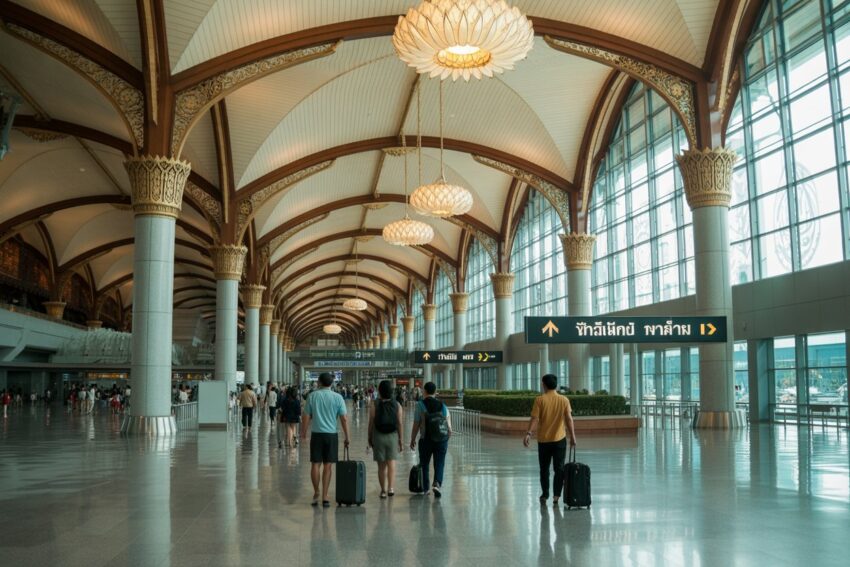
Thailand Raises International Departure Tax by More Than 50 Percent at Major Airports from June Transforming Passenger Experience and Funding Massive Airport Infrastructure Upgrades – New Update You Need to Know
Thailand Raises International Departure Tax by More Than 50 Percent at Major Airports from June Transforming Passenger Experience and Funding Massive Airport Infrastructure Upgrades – New Update You Need to Know
Starting 20 June, travelers leaving Thailand will notice a higher international departure tax at major airports across the country. This move comes as part of a government-backed plan to modernize airport facilities and improve overall efficiency for international passengers. Officials stress that the increase is not a general tax, but a dedicated measure to support airport projects, ensuring a smoother and more comfortable travel experience.
Which Airports Are Affected?
The new fee will apply to international flights departing from six key airports:
Chiang Mai Airport
Mae Fah Luang-Chiang Rai Airport
Hat Yai Airport
Phuket Airport
Suvarnabhumi Airport – Bangkok
Don Mueang Airport – Bangkok
The charge will rise from THB 700 to THB 1,120 per international passenger, representing a 53 percent jump. Domestic departures will remain at THB 130, meaning local travelers won’t feel the impact while international travelers help fund much-needed improvements.
Why the Increase Matters
The government and Airports of Thailand have clarified that the passenger service charge is not intended to generate profit. Instead, it’s strictly for upgrading airport infrastructure and operational capabilities. Revenue from the increased international departure tax will go toward several high-priority projects, including:
Expanding boarding gates and terminals at Suvarnabhumi Airport
Renovating facilities and improving passenger flow at Don Mueang Airport
Rolling out the Common Use Passenger Processing System (CUPPS) to reduce check-in times and streamline processing
Officials also note that all projects will be approved at the ministerial level, ensuring transparency and proper oversight of the funds.
What Travelers Can Expect
For international passengers, the change may slightly increase the cost of tickets, but it also brings tangible benefits:
Faster check-ins and reduced waiting times through CUPPS
Modernized terminals with more space and improved comfort
Enhanced lounges and boarding areas for a smoother journey
While Thailand’s international departure tax now ranks among the higher fees in Southeast Asia—second only to Singapore—it remains in line with the country’s growing focus on quality airport services.
Tourism and Passenger Traffic
Thailand’s tourism sector continues to rebound strongly. In 2025, the country welcomed 32.9 million international visitors, highlighting the need for efficient and modern airport facilities. Suvarnabhumi Airport alone handled nearly 60 million passengers, including arrivals, departures, and transit travelers.
This surge in visitors underscores why improving airport infrastructure is vital for maintaining Thailand’s reputation as a leading destination for international travelers. Investments in airport operations directly support the growth of Thailand tourism by ensuring travelers enjoy a seamless experience from check-in to departure.
How the Funds Will Be Used
The government has outlined clear priorities for the new revenue:
Construction of a satellite terminal at Suvarnabhumi Airport
Upgrades at Don Mueang Airport to accommodate growing passenger numbers
Automated baggage handling systems and technological enhancements across major airports
Expanded check-in counters and passenger lounges for more comfort
These improvements are designed to reduce congestion, enhance convenience, and make travel smoother for both airlines and passengers.
Oversight and Accountability
Transparency is a key focus. The Ministry of Transport will monitor how the international departure tax funds are used. Measures include:
Regular progress reports on airport projects
Audits to ensure funds go directly to infrastructure improvements
Clear accountability for all expenditures
By managing the funds responsibly, the government reassures travelers that the fee increase is an investment in quality rather than a revenue-raising scheme.
Strategic Benefits
Increasing the international departure tax aligns with broader goals for Thailand’s transport and tourism sectors:
Modernizing major airports to handle rising passenger volumes
Strengthening airport infrastructure for long-term efficiency
Enhancing the overall traveler experience to boost Thailand tourism
Supporting regional competitiveness in Southeast Asia
This approach ensures that as visitor numbers grow, Thailand’s airports remain capable, safe, and welcoming for millions of international travelers every year.
Quick Facts at a Glance
Effective date: 20 June
Fee increase: From THB 700 to THB 1,120 per international passenger (53% rise)
Airports impacted: Suvarnabhumi Airport, Don Mueang Airport, Chiang Mai, Mae Fah Luang-Chiang Rai, Phuket, Hat Yai
Domestic fees: Stay at THB 130
Purpose: Fund airport infrastructure upgrades and improve passenger efficiency
Major projects: Terminal expansions, CUPPS system, automated baggage handling
Conclusion
Thailand’s decision to increase the international departure tax is a strategic step toward modernizing airport operations and enhancing the travel experience. By allocating revenue from the passenger service charge to targeted airport infrastructure projects, the government ensures that both travelers and the tourism sector benefit. With major upgrades at Suvarnabhumi Airport and Don Mueang Airport underway, Thailand is positioning itself to handle growing international traffic while supporting the continued expansion of Thailand tourism.
The post Thailand Raises International Departure Tax by More Than 50 Percent at Major Airports from June Transforming Passenger Experience and Funding Massive Airport Infrastructure Upgrades – New Update You Need to Know appeared first on Travel And Tour World.
Source: travelandtourworld.com


Sorry, the comment form is closed at this time.