


Thailand Rolls Out Visa Extensions And Hotel Relief Across Bangkok, Samut Prakan And Suvarnabhumi Airport As Middle East Airspace Closures Disrupt Global Travel Plans — What International Visitors Should Prepare For Now
Thailand Rolls Out Visa Extensions And Hotel Relief Across Bangkok, Samut Prakan And Suvarnabhumi Airport As Middle East Airspace Closures Disrupt Global Travel Plans — What International Visitors Should Prepare For Now
As the Middle East war continues to disrupt global aviation networks, Thailand has moved swiftly to protect its reputation as a dependable travel destination. In a coordinated response spanning Bangkok, Samut Prakan, and the country’s main gateway at Suvarnabhumi Airport, authorities have introduced visa extensions, overstay fine waivers, and discounted accommodation packages for foreign travellers unable to return home due to flight cancellations. The move comes as airspace closures and route suspensions across parts of the Middle East have stranded thousands of passengers worldwide.
The new support framework ensures that visitors caught in the crisis are not penalised for circumstances beyond their control. By combining immigration flexibility with cooperation from hotels and tour operators, Thailand is positioning itself as a responsible host nation at a time when tourism stability across Asia is being tested.
Emergency Relief Measures Designed To Protect Thailand’s Tourism Image
The Tourism and Sports Ministry of Thailand has initiated discussions with hospitality associations, tour operators, and service providers to roll out special relief measures for stranded foreign visitors. These measures focus on two urgent areas: easing financial pressure and preventing legal complications related to visa status.
What Has Been Introduced?
Overstay fines waived for travellers unable to depart due to war-related flight disruptions
Visa extensions permitted in 30-day increments, subject to embassy certification
Discounted hotel stays and tour packages under coordination with industry associations
Direct outreach by local tourism officials and volunteers to assess visitor needs
Thailand’s immigration authorities confirmed that those who unintentionally exceed their permitted stay because of flight cancellations will not face penalties. Travellers choosing to remain temporarily in Thailand may extend their visas in 30-day blocks, provided they obtain necessary documentation from their embassies.
This policy adjustment is particularly significant given that Thailand typically imposes daily fines for overstays under standard immigration law. The temporary relaxation underscores the government’s intent to prioritise humanitarian and tourism considerations over regulatory rigidity.
Aviation Shockwaves From Middle East Conflict Disrupt Global Travel
Airspace closures and heightened security alerts across parts of the Middle East have forced airlines worldwide to cancel or reroute flights. Major international carriers have adjusted schedules to avoid high-risk corridors, leading to cascading delays across Asia and Europe.
According to global aviation tracking data from industry monitoring bodies, thousands of flights have been affected since the escalation of hostilities in early 2026. Routes linking Europe, the Gulf, and Southeast Asia have seen notable disruptions.
For Thailand — one of the world’s most visited destinations — the timing is delicate. The country welcomed over 28 million international visitors in 2023 and has been working toward full tourism recovery following pandemic-era declines. The Middle East is also a valuable inbound market, both for leisure and medical tourism segments.
By proactively supporting stranded travellers, Thailand aims to safeguard both its tourism revenue and its global brand image.
Strategic Hospitality Response: Hotels And Tour Operators Step Forward
Thailand’s hotel sector has historically demonstrated flexibility during crises, including natural disasters and the COVID-19 pandemic. In the current situation, hospitality associations are being encouraged to offer:
Temporary rate reductions
Flexible booking modifications
Discounted excursion packages
Extended-stay benefits
This collaboration reflects Thailand’s tourism model, which heavily relies on public-private coordination. The hospitality industry contributes significantly to national GDP, with tourism-related sectors accounting for roughly 20% of Thailand’s economy in peak years.
By keeping stranded guests engaged through discounted tours and cultural experiences, Thailand not only supports visitors but also sustains local businesses in Bangkok, beach destinations like Phuket, and cultural hubs such as Chiang Mai.
Travel Advisory For Visitors Currently In Thailand
Practical Guidance To Navigate The Crisis Smoothly
If you are a foreign traveller currently in Thailand and affected by flight disruptions, consider the following steps:
Contact your embassy immediately for certification documentation if visa extension is required.
Monitor official airline channels for updated departure schedules.
Visit local immigration offices before visa expiry to formalise extensions.
Check with your hotel regarding emergency discount packages.
Register your presence with your country’s travel advisory portal if available.
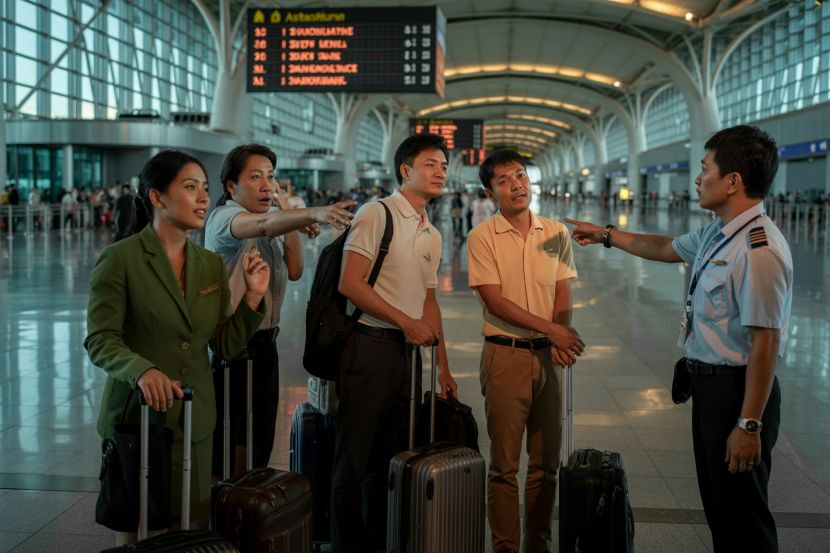
Travellers at Suvarnabhumi Airport and other international gateways are being assisted by airport staff, who have provided drinking water and logistical guidance to affected passengers.
Reinforcing Thailand’s Reputation As A Reliable Travel Hub
Thailand has long positioned itself as a “Land of Smiles” destination, and crisis response plays a crucial role in maintaining that perception. Previous emergencies — from regional political unrest to global health crises — have tested the resilience of its tourism framework.
The decision to waive fines and ease visa rules sends a strong signal to international markets that Thailand prioritises visitor welfare. In competitive regional tourism landscapes that include Singapore, Malaysia, and Indonesia, such goodwill measures can significantly influence future travel decisions.
Tourism analysts note that traveller confidence often rebounds faster in destinations perceived as compassionate and well-organised during crises.
The Broader Economic Implications
Balancing Revenue Protection With Humanitarian Responsibility
While temporary discounts and fee waivers may result in short-term revenue adjustments, the long-term strategic value is clear:
Protecting Thailand’s tourism reputation
Preventing negative global media narratives
Encouraging repeat visitation
Strengthening diplomatic goodwill
The Middle East market has grown steadily for Thailand in recent years, particularly among visitors from Gulf countries seeking leisure travel and healthcare services. Ensuring that affected travellers feel supported may preserve future demand once regional stability returns.
Moreover, extended stays by stranded visitors may provide partial economic offset, as travellers continue spending on accommodation, dining, and experiences during their prolonged stay.
Immigration Flexibility: What It Means For Future Policy
Thailand’s temporary visa flexibility could influence future discussions around adaptive immigration management during global disruptions. As international travel becomes increasingly vulnerable to geopolitical tensions, destinations may need agile regulatory mechanisms.
The ability to extend visas in 30-day increments offers structured flexibility without compromising border control oversight. Embassy certification requirements maintain accountability while offering practical relief.
Such policy responsiveness strengthens Thailand’s positioning as a mature and adaptable tourism economy.
Steady Hands In Turbulent Times: Thailand’s Tourism Industry Sends A Message Of Care
The unfolding Middle East conflict has once again demonstrated how interconnected global travel systems are. Yet, Thailand’s rapid response — combining visa leniency, fine waivers, and hospitality discounts — illustrates how destinations can transform crisis into opportunity.
For travellers currently stranded, the message is clear: Thailand intends to support your safe journey home while ensuring your stay remains comfortable and legally secure.
For future visitors, the takeaway may be even more powerful — in moments of uncertainty, Thailand stands ready as a dependable host.
The post Thailand Rolls Out Visa Extensions And Hotel Relief Across Bangkok, Samut Prakan And Suvarnabhumi Airport As Middle East Airspace Closures Disrupt Global Travel Plans — What International Visitors Should Prepare For Now appeared first on Travel And Tour World.
Source: travelandtourworld.com



Sorry, the comment form is closed at this time.