


Thailand’s Alcohol Ban During February Elections Could Disrupt Travel Plans in Bangkok, Phuket, and Beyond – What Tourists Should Expect
Thailand’s Alcohol Ban During February Elections Could Disrupt Travel Plans in Bangkok, Phuket, and Beyond – What Tourists Should Expect
Thailand’s nationwide alcohol ban during election days could dampen the spirits of travelers looking to enjoy the country’s world-famous nightlife and vibrant restaurant culture. For those planning a holiday around Thailand’s popular tourist destinations such as Bangkok and Phuket, the dry period might come as a frustrating surprise. The election law prohibits alcohol sales, distribution, and consumption during specific 24-hour windows in the run-up to voting. This restriction, while aimed at curbing election-related disruptions, has left tourism businesses and vacationers concerned about how it will affect their trips, especially at the peak of the travel season.
A Dry Weekend and Its Impact on Tourism
Thailand’s tourism industry is a major contributor to its economy, known for its stunning beaches, lively nightclubs, and exquisite dining experiences. However, a nationwide alcohol ban associated with the upcoming general elections could create a headache for travelers. The two critical dry periods — from 6 pm on January 31 to 6 pm on February 1 and 6 pm on February 7 to 6 pm on February 8 — coincide with peak tourist season in the country. This ban applies to a broad range of venues, including bars, nightclubs, restaurants, and retail outlets, affecting not just locals but international visitors as well.
For many foreign tourists, the unexpected dry spell can put a damper on their travel experience. Those arriving in the country during these windows may not expect such restrictions, especially when the country is famous for its nightlife, beautiful resorts, and social gatherings.
The Economic Consequences for Thailand’s Hospitality Sector
The hospitality and tourism sector in Thailand is bracing for significant losses during these dry periods. Businesses that rely heavily on foreign visitors and alcohol sales, such as bars, nightclubs, and restaurants, are preparing for sharp declines in revenue. Notably, Bangkok and Phuket, which are some of the country’s most frequented tourist spots, could see sales drop by up to 50% during these dry days.
In Phuket, a popular island destination, local restaurant and bar owners have already seen a 30% revenue decline during previous election dry periods. With tourists often visiting Thailand to experience its vibrant nightlife, such disruptions are frustrating for both business owners and travelers. Tourist perceptions could also be affected, as a dry day in the midst of peak season could make some travelers reconsider the predictability of Thailand as a holiday destination in the future.
Why Thailand Imposes an Alcohol Ban During Elections
Thailand’s alcohol ban on election days stems from a law designed to prevent vote-buying and maintain order during the voting process. The restriction has been in place for years, but this is the first time it coincides with Thailand’s peak tourism season. While it is a longstanding tradition, the timing has raised concerns within the tourism industry, which has been struggling to recover from previous setbacks, including a drop in international arrivals and natural disasters.
In addition, the lack of exemptions to the rule, including for tourist-heavy areas such as Bangkok, Pattaya, and Phuket, means that even high-end resorts and popular clubs will be required to comply with the dry period.
Understanding the Dry Periods and Enforcement
The alcohol ban spans two critical voting periods:
Advance Voting: From 6 pm on January 31 to 6 pm on February 1.
Election Day: From 6 pm on February 7 to 6 pm on February 8.
During these timeframes, it is illegal to sell or distribute alcohol in any form across the country, with violations subject to serious penalties. These include up to six months in prison or fines reaching 10,000 baht, a deterrent that businesses must take seriously, as the government aims to maintain order and avoid potential disruption of the election process.
How Thailand’s Election Alcohol Ban Affects Tourist Plans
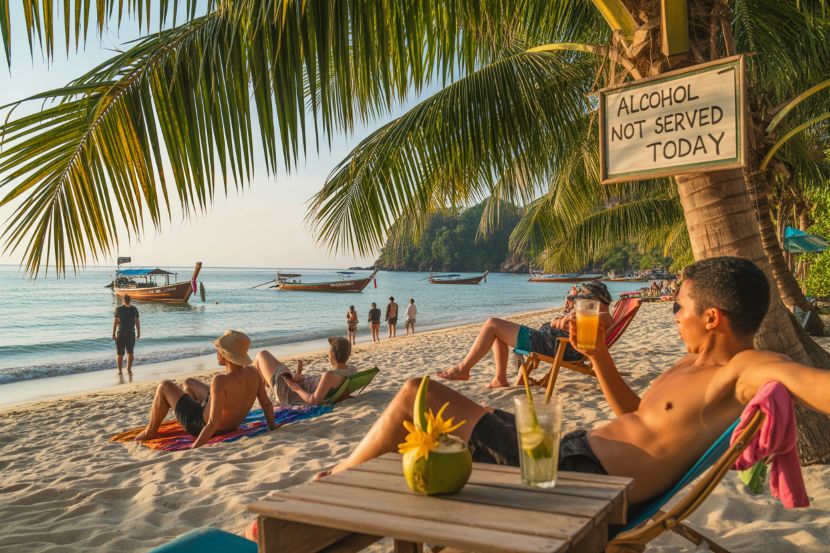
For tourists, especially those coming to Thailand for its beaches, bars, and restaurants, the alcohol ban can be a sudden and unexpected inconvenience. Visitors unfamiliar with the law might be surprised to find that their favorite beachside bars or upscale restaurants won’t be serving alcohol during the restricted periods.
To prevent confusion, businesses in popular tourist areas have been proactive in communicating these restrictions. In Phuket, many restaurants and bars put up signage warning customers in advance about the alcohol ban to avoid last-minute disappointments. Despite these efforts, travelers remain frustrated, as many planned their trips around enjoying the local nightlife.
Travel Tips for Visiting Thailand During Election Season
If you’re planning a trip to Thailand during the February election, here are a few tips to make the most of your experience despite the alcohol restrictions:
Plan Ahead: Check your travel dates and ensure that you are aware of the dry periods to avoid disruptions. If your trip coincides with election day, plan activities that don’t involve alcohol, such as sightseeing, exploring cultural sites, or visiting natural attractions.
Consider Alternative Experiences: Thailand offers beautiful beaches, temples, and cultural experiences that don’t require alcohol. Consider taking a day trip to the serene Ayutthaya temples, hiking in Chiang Mai, or exploring the local markets in Bangkok.
Check with Your Accommodation: Many luxury resorts and hotels have a more relaxed approach to the alcohol ban, with private areas often being exempted. Contact your accommodation in advance to see how they’re handling the restrictions.
Respect the Law: If you do travel during the election period, be aware of the regulations and respect the local customs. Understanding the context behind the alcohol ban can help improve your experience, even if you’re disappointed by the lack of nightlife options during these windows.
Reassessing Thailand’s Tourism Image
The disruptions caused by the alcohol ban could have longer-term implications for Thailand’s reputation as a seamless holiday destination. Tourists’ expectations of a carefree vacation are often intertwined with Thailand’s globally renowned party scene and vibrant cultural activities. With these temporary dry periods, Thailand may face challenges in re-establishing its image as a consistent, predictable holiday hotspot for future travelers.
The timing of these bans might need reconsideration in the future to prevent tourism losses and ensure that Thailand remains competitive with other Southeast Asian destinations that offer a more predictable vacation experience.
Wrapping Up: What’s Next for Thailand’s Tourism?
As Thailand’s tourism industry faces challenges from the election-linked alcohol ban, both businesses and tourists need to adapt to the country’s unique regulations. For now, travelers planning to visit during February 2026 should be aware of the potential dry weekends, but also embrace the country’s other exciting offerings that extend beyond its nightlife.
With a growing number of travelers seeking cultural and adventure-based experiences, Thailand still remains a top destination in Southeast Asia for its rich heritage and stunning natural beauty, even without the alcohol-filled festivities.
The post Thailand’s Alcohol Ban During February Elections Could Disrupt Travel Plans in Bangkok, Phuket, and Beyond – What Tourists Should Expect appeared first on Travel And Tour World.
Source: travelandtourworld.com



Sorry, the comment form is closed at this time.